Chapter Two
Degrees of Life
1 / Differing Degrees of Life
The quality I have identified in chapter 1, the general beyond-biological quality of life as an attribute of all material systems, exists, I believe, to varying degrees in every part of space. It exists, for instance, in the ink and paper of the period at the end of this sentence, and it exists in the ink and paper of the letter q printed here. Of course it exists only very weakly in both, but in a slightly greater degree in the letter q than in the period. It exists in varying degrees in different human events. For instance, life exists to a greater degree in the scene from the island of Dominica, shown below on the left, than in the Harlem slum shown on the right.
In this chapter, I want to persuade the reader that almost all of us perceive this quality, and feel it as it occurs in varying degrees in different parts of space. And I want to lay the groundwork for a larger task: to persuade the reader that this quality is real, What I mean is that the different degree of life we observe in every dif-
ferent part of space is not merely an artifact of our cognition but is an objectively real physical phenomenon in space which our cognition detects.
I claim that this quality is not merely the basis for a distinction between beautiful things and ugly things. It is something which is detectable as a subtle distinction in every corner of the world, as we walk about, in the most ordinary places, during the most ordinary events. It is a quality which changes from place to place and from moment to moment, and which marks, in varying degrees, every moment, every event, every point in space.
In the following pairs of photographs I invite you to compare the re/ative degree of life in the two members of each pair. In each pair, I have put the example which seems to me to have more life on the left-hand side, and the one which seems to me to have less life on the righthand side.
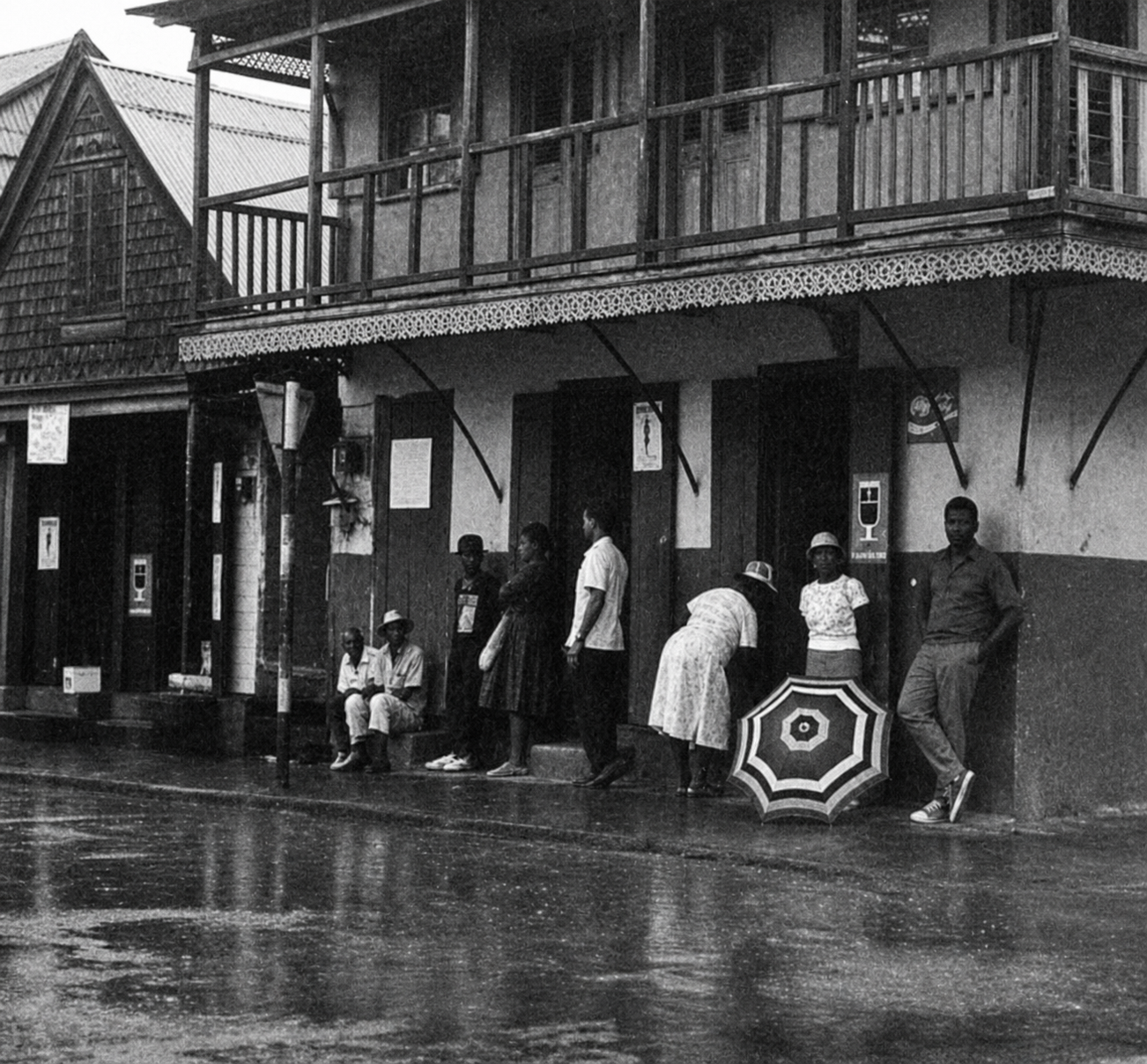
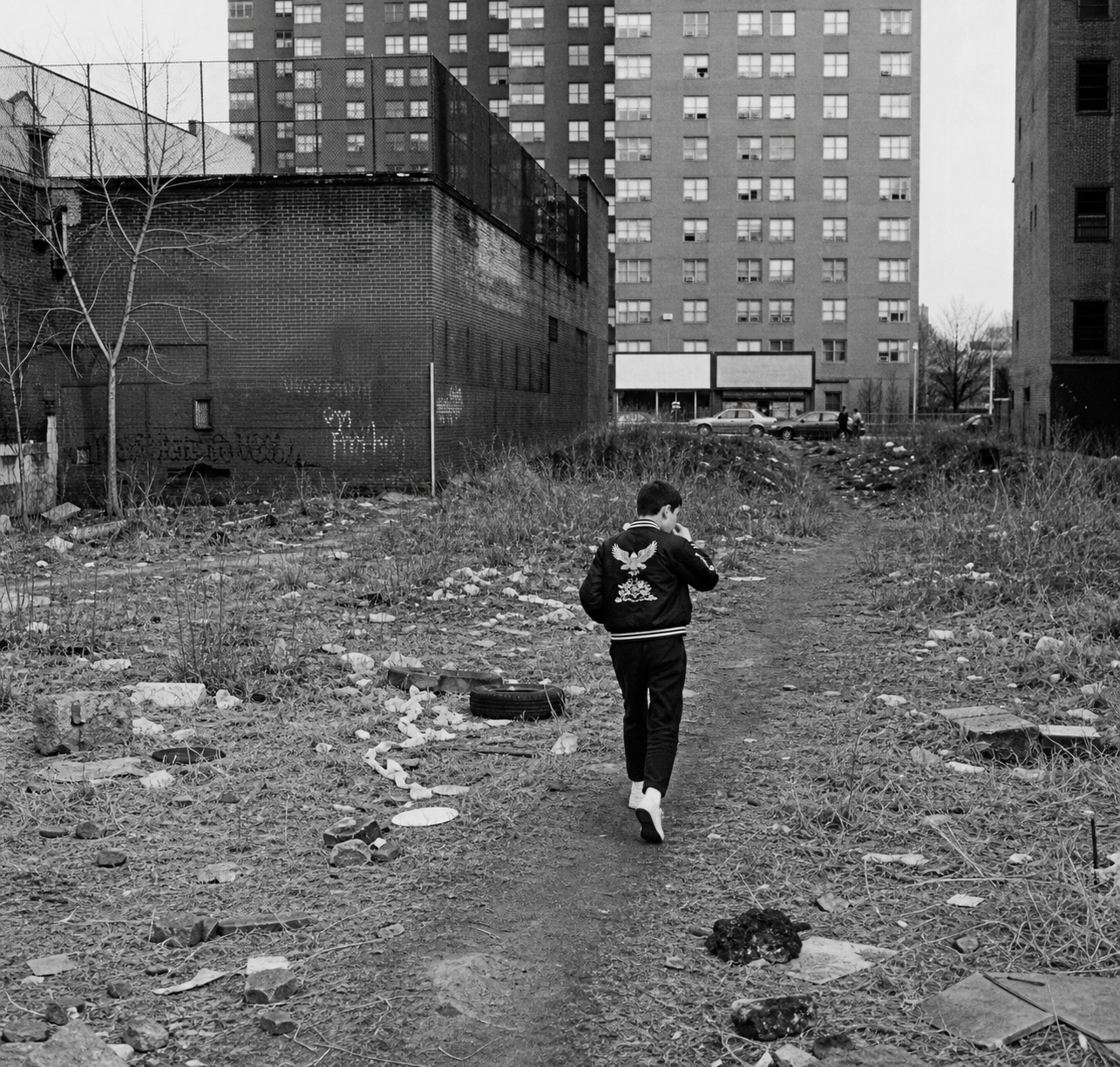
Wasteland in Harlem
This example is rather obvious. The difference of life felt in these two photographs could be expressed in terms of precise biological concepts on the grounds that the one with trees has more living organisms and hence must "obviously" feel more alive. But the degree of life in other examples does not depend only on the quantity of living organisms.
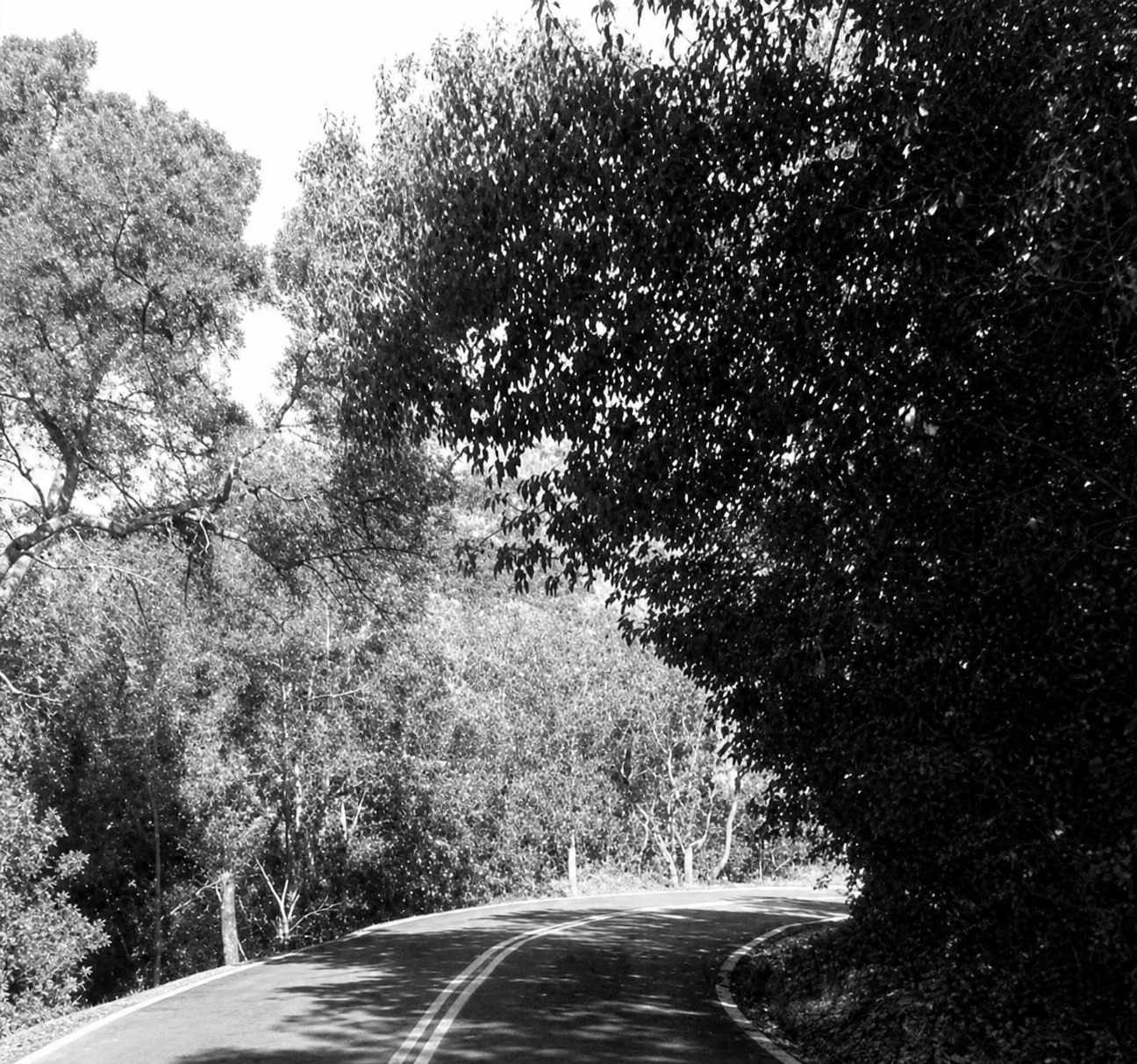
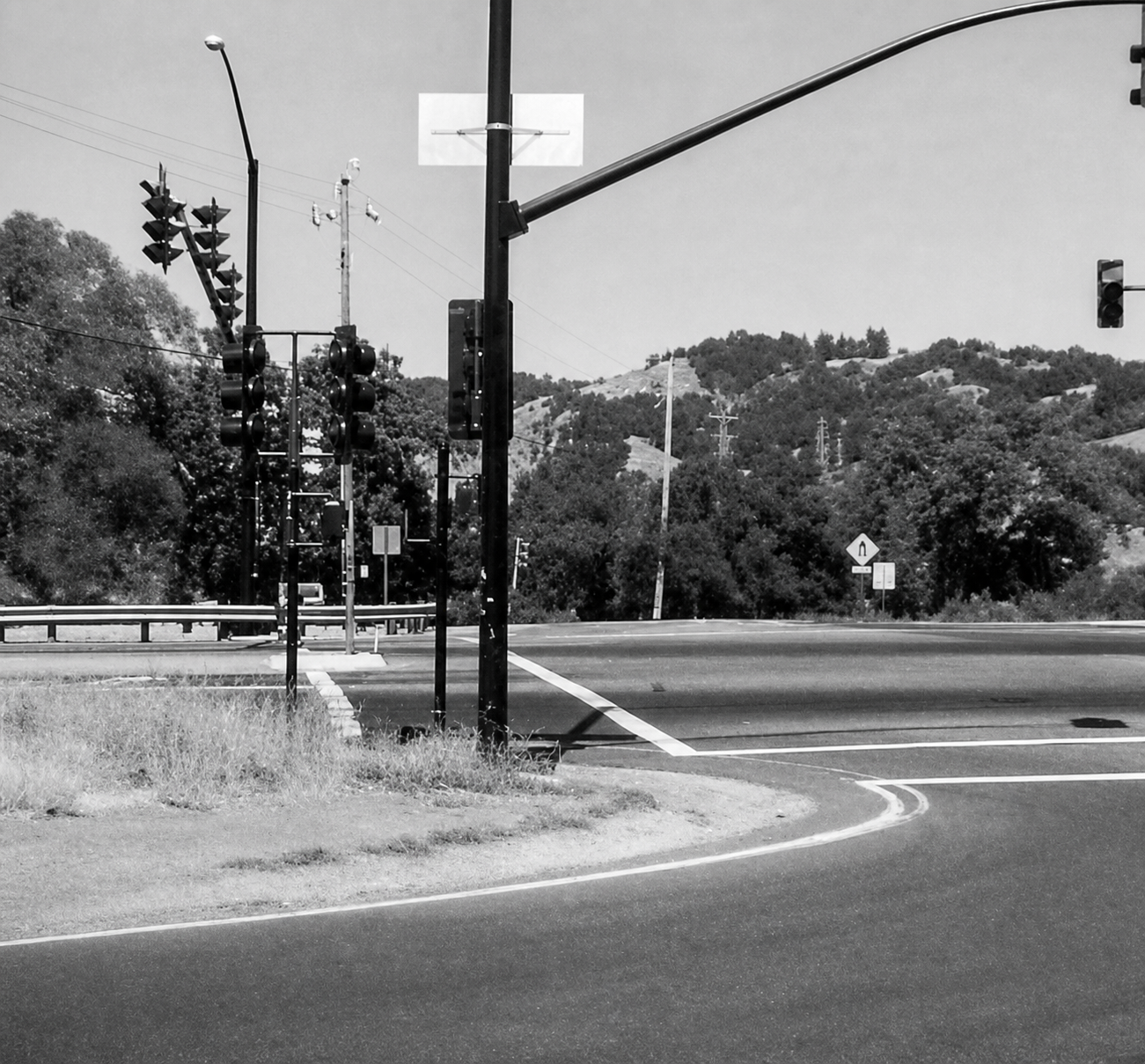
Suburban road with traffic lights
The relative quantities of grass and trees visible in these two photos are roughly the same. But in the left-hand case the road is more harmoniously related to the hills -- and a greater degree of life comes from this


Road which is kinder to the hills harmony. The one on the right is a little more stark, more brutal. The one on the left seems kinder to the hills, makes you more aware of the nature of the hills. It is more fun to drive on, too.
Road cut through the hills
This pair is a little more puzzling. The left-hand road has more trees, more light and shade. It seems to have more life. The other has more dry grass. In this case intellectual judgment can make it hard to tell which one has more life. At first it is obvious: the left-hand example with the trees has more life. But ifyou start asking yourself why -- there are just as many blades of grass as there are leaves on the trees, and so on -- it seems to get muddled.
If, though, you don't allow yourself to think and you quickly, in two seconds, without time for thought, choose one, then you will -- ] believe choose the one with the trees. The feeling is clear. Only the effort to find a theory to justify your intuition might confuse you. I believe the greater degree of life in the left-hand one has something to do with the dark and light. It is the ight which has more life in the place on the left.
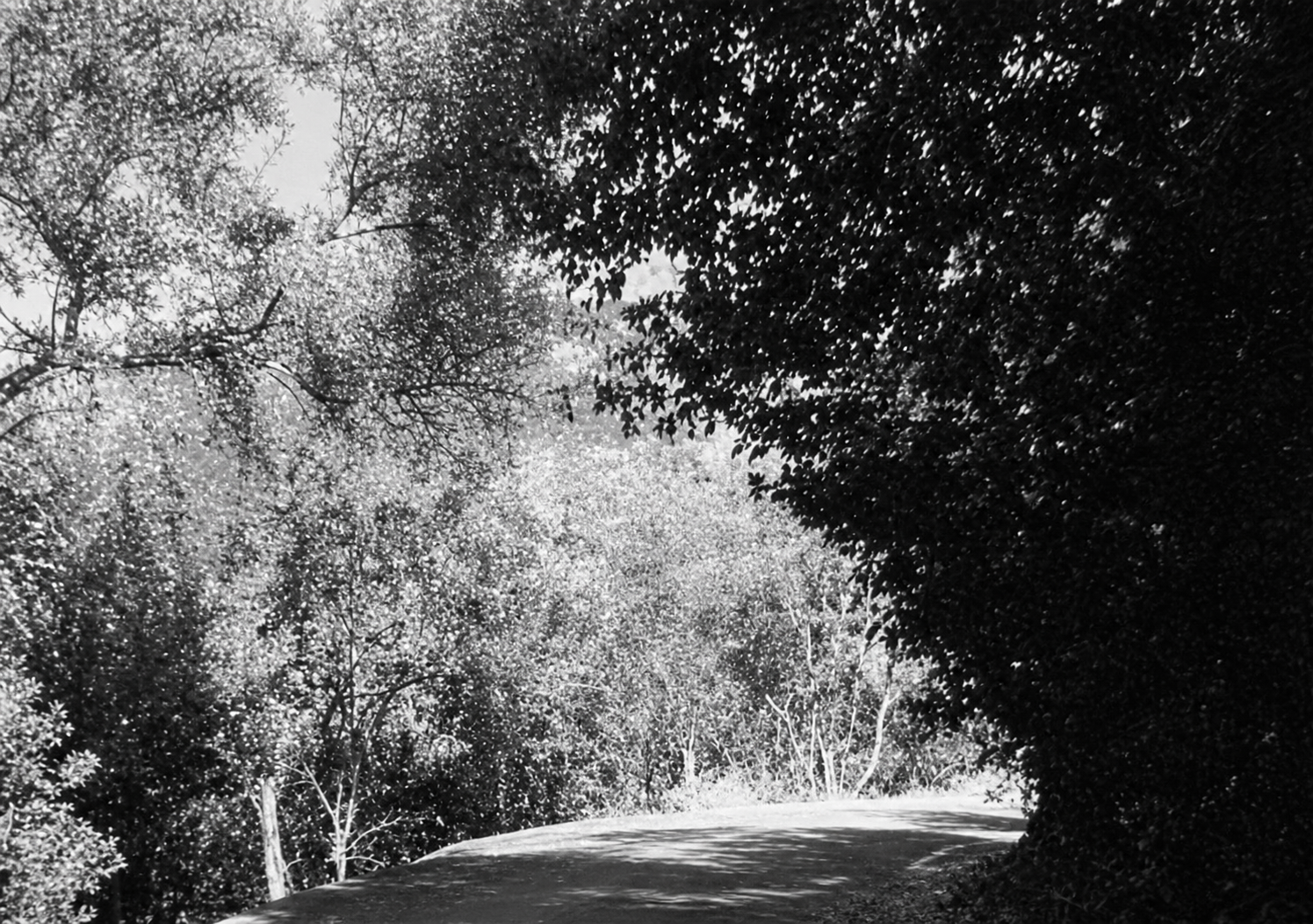

Road in the hills
Both these places in a riding stable have industrial fixtures, bars, fences, and a person. But the one in the open has a kind of deadness about it, even though the photo is mainly focused on a man watching the horses. The interior of the barn, though
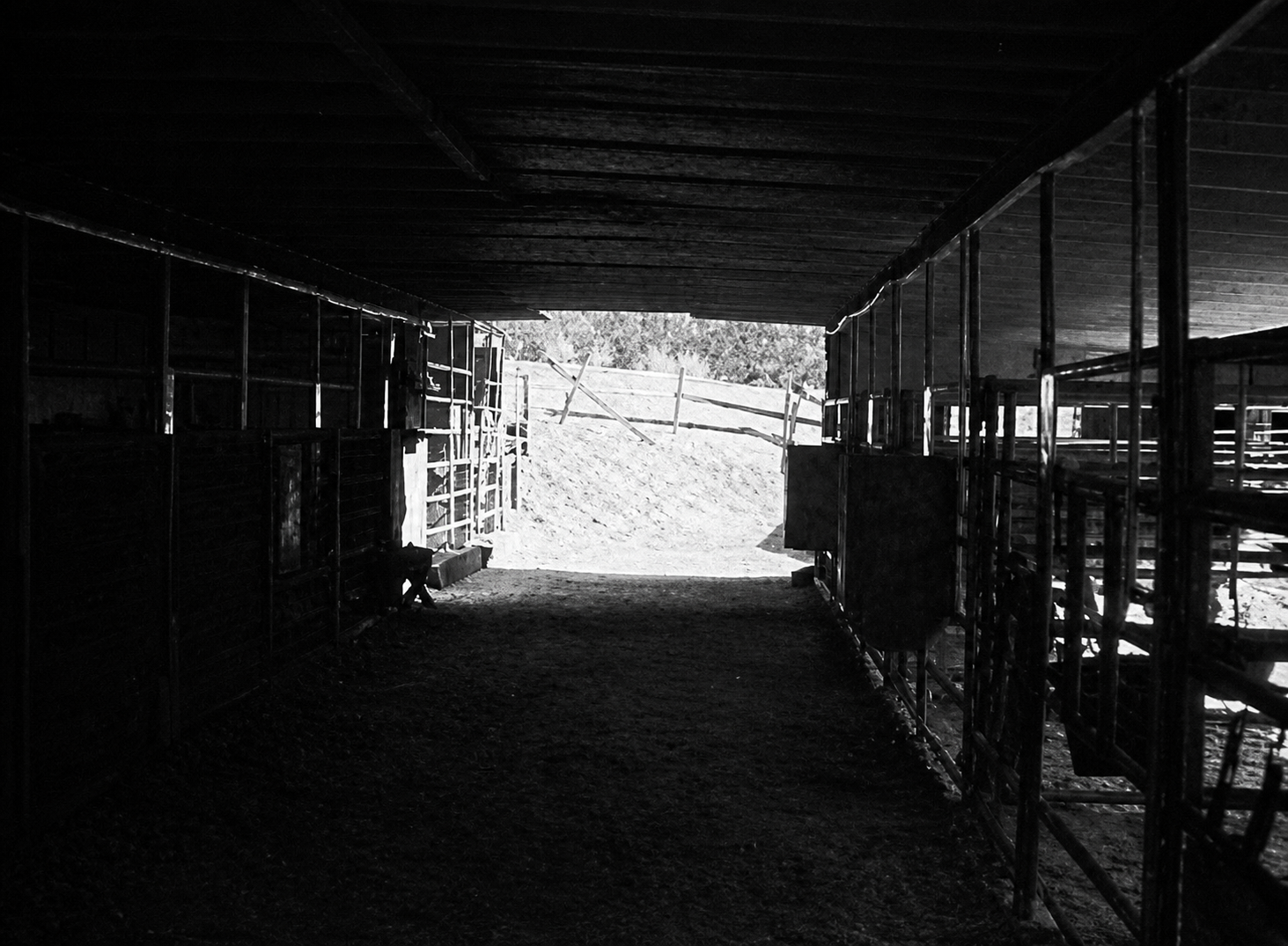
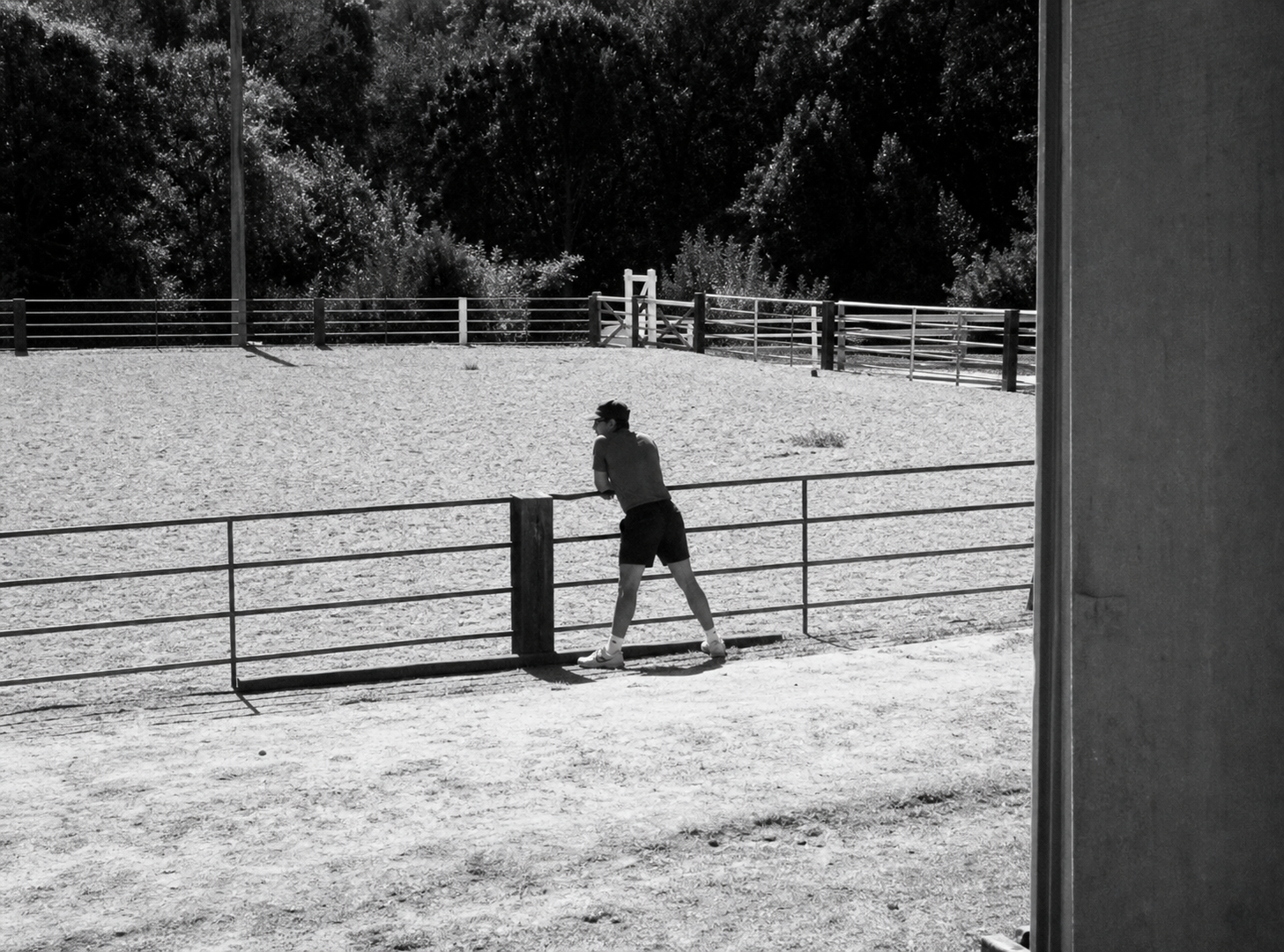
In the stable darker, has a more comfortable quality, and is less stark. In this pair, one may start to see that the feeling of life we experience in different places can be a subtle matter and that we may have to consult our feelings carefully to get clear about it.
Watching a horse ring
In this case perhaps it is the amount of detail, the pots of flowers, the differentiation, the comfortable completion, which brings the place on the left to life. This differentiation is mostly missing in the house on the right. The place on the left is more cared for. It has a finer grain. Perhaps this finer grain itself is responsible for the feeling that there is more life.
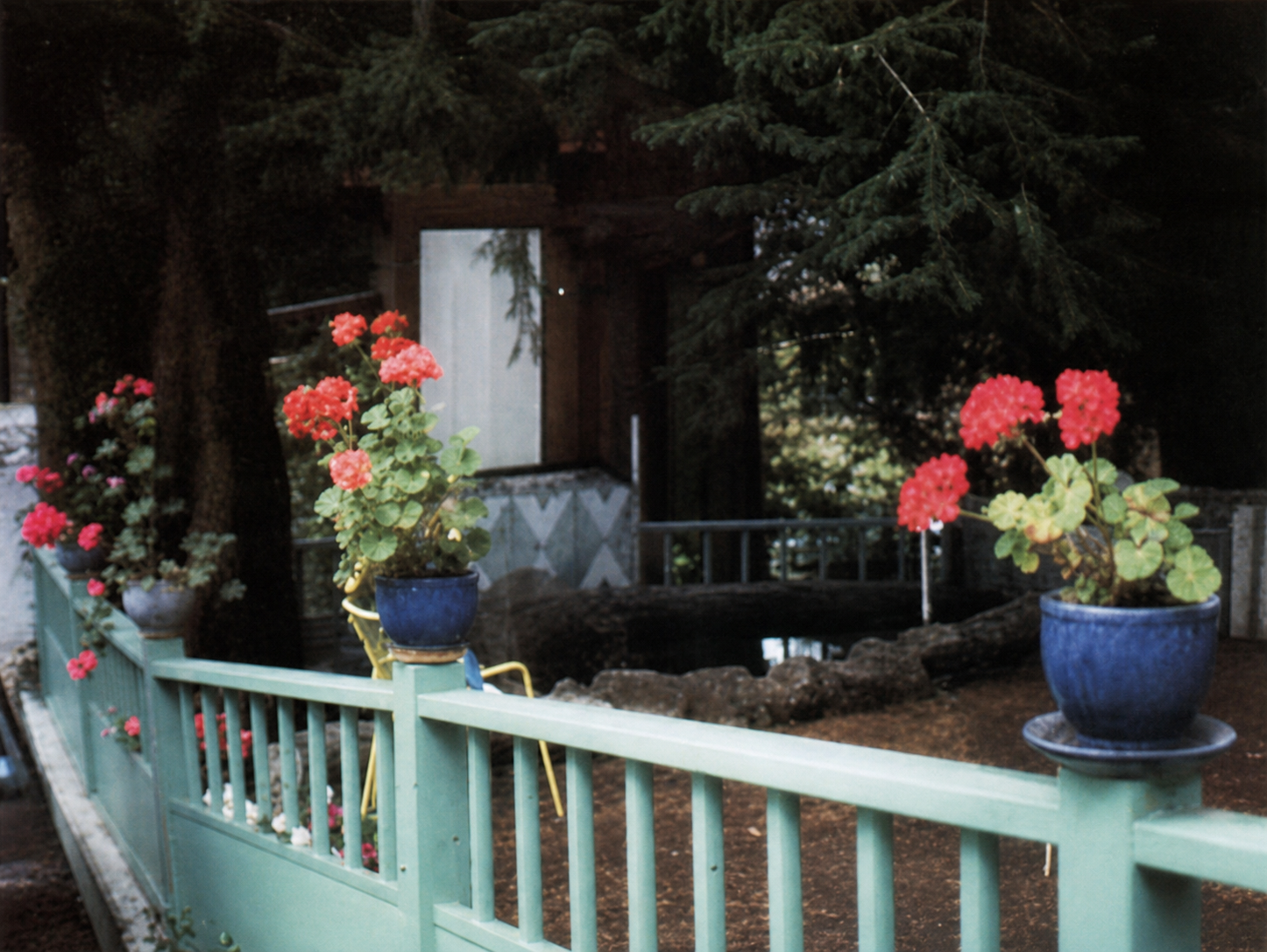
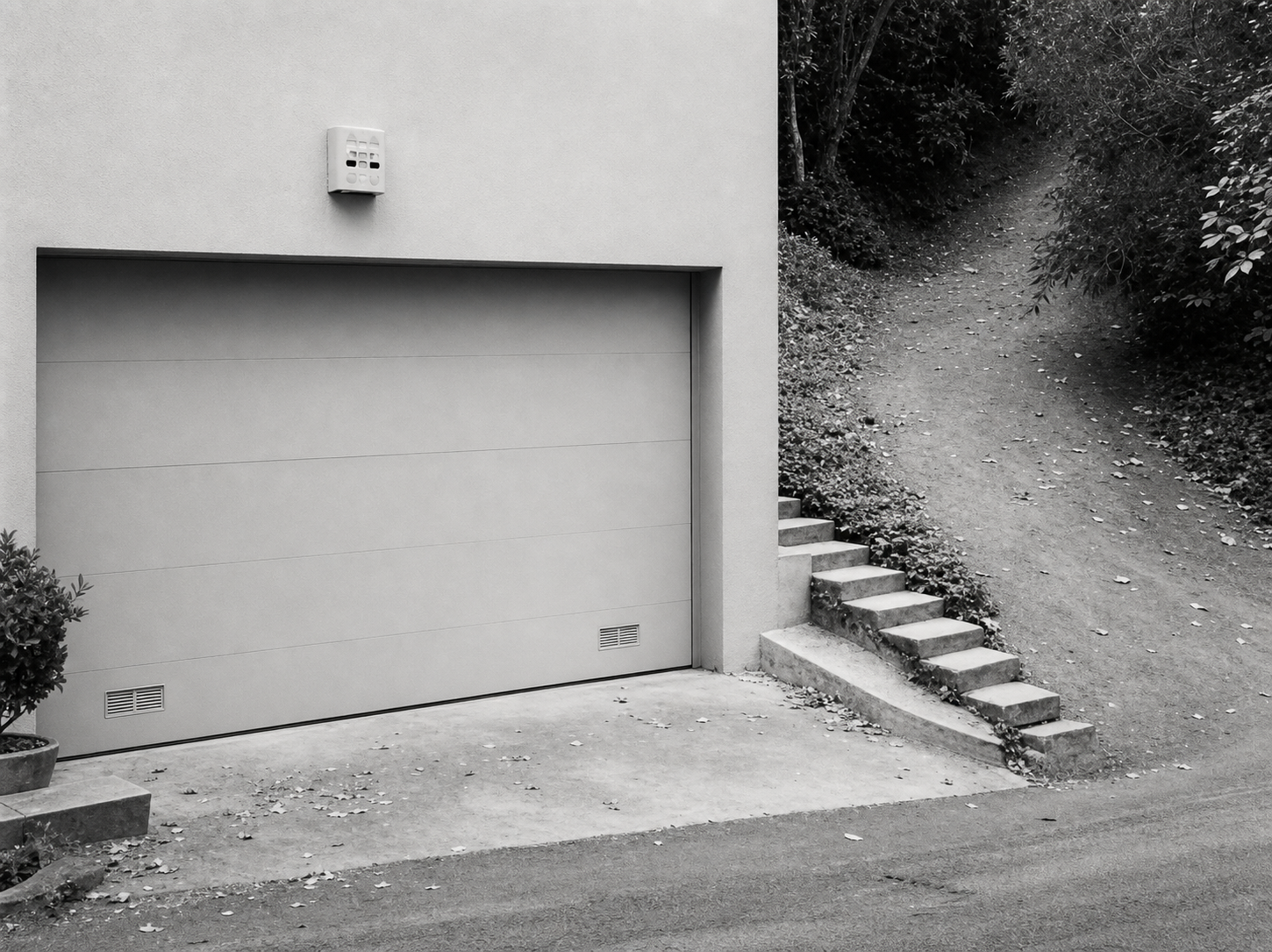
Less friendly edge
The "funky and organic" image is not always the one with more life. Here the painted car from California seems to symbolize life, and might therefore be chosen as more alive by an unwary reader.
But if you ask yourself which of the two actually has more life, makes you feel more in touch with life in yourself, has more of the truth of everyday events in it, you may then find that the pickup truck, ordinary though it is, is more genuinely in touch with life, more connected.
The organic car is more an image than it is genuinely connected to life. The pickup truck looks less inspired, but is more truly alive.

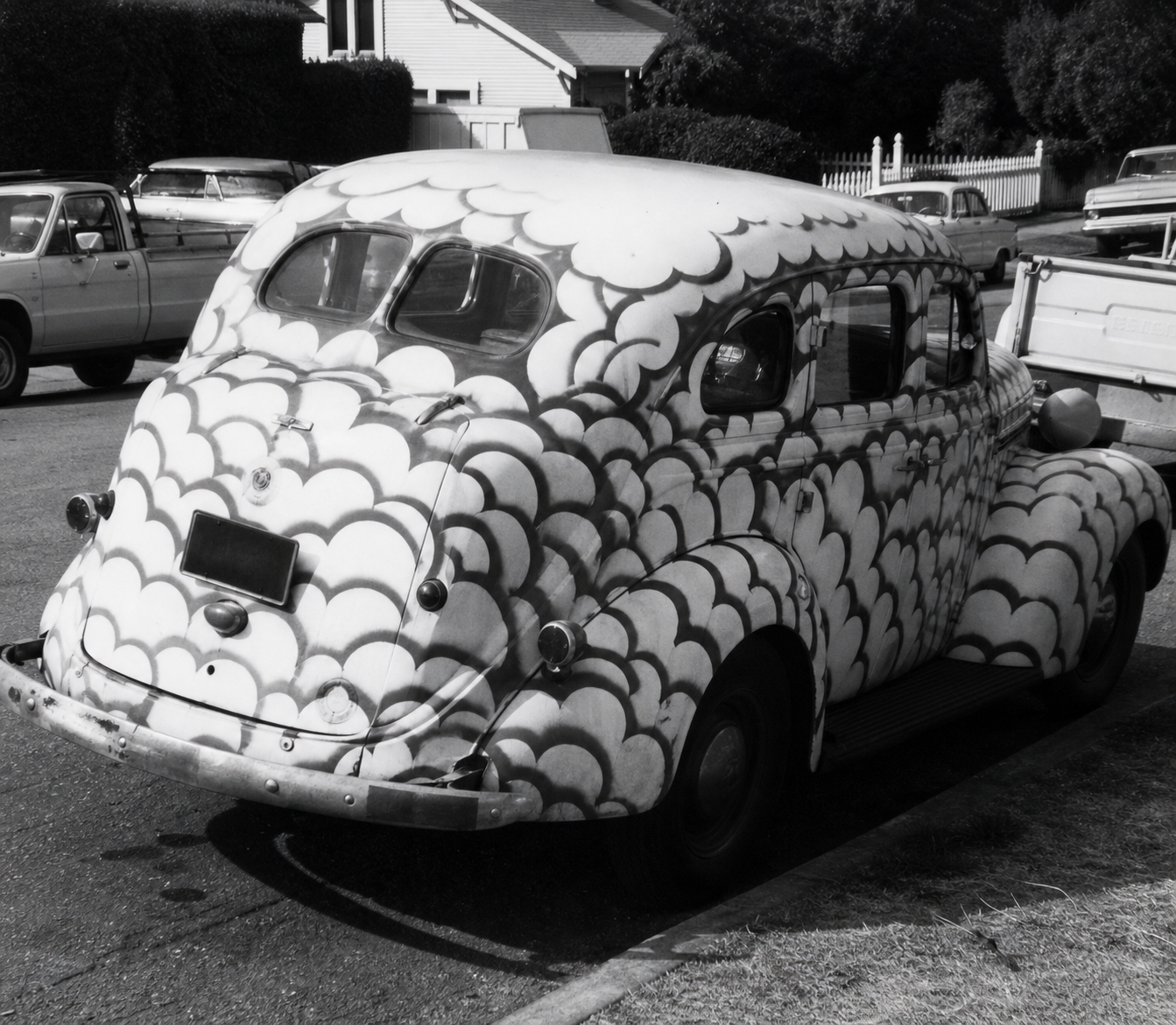
The organic painted car
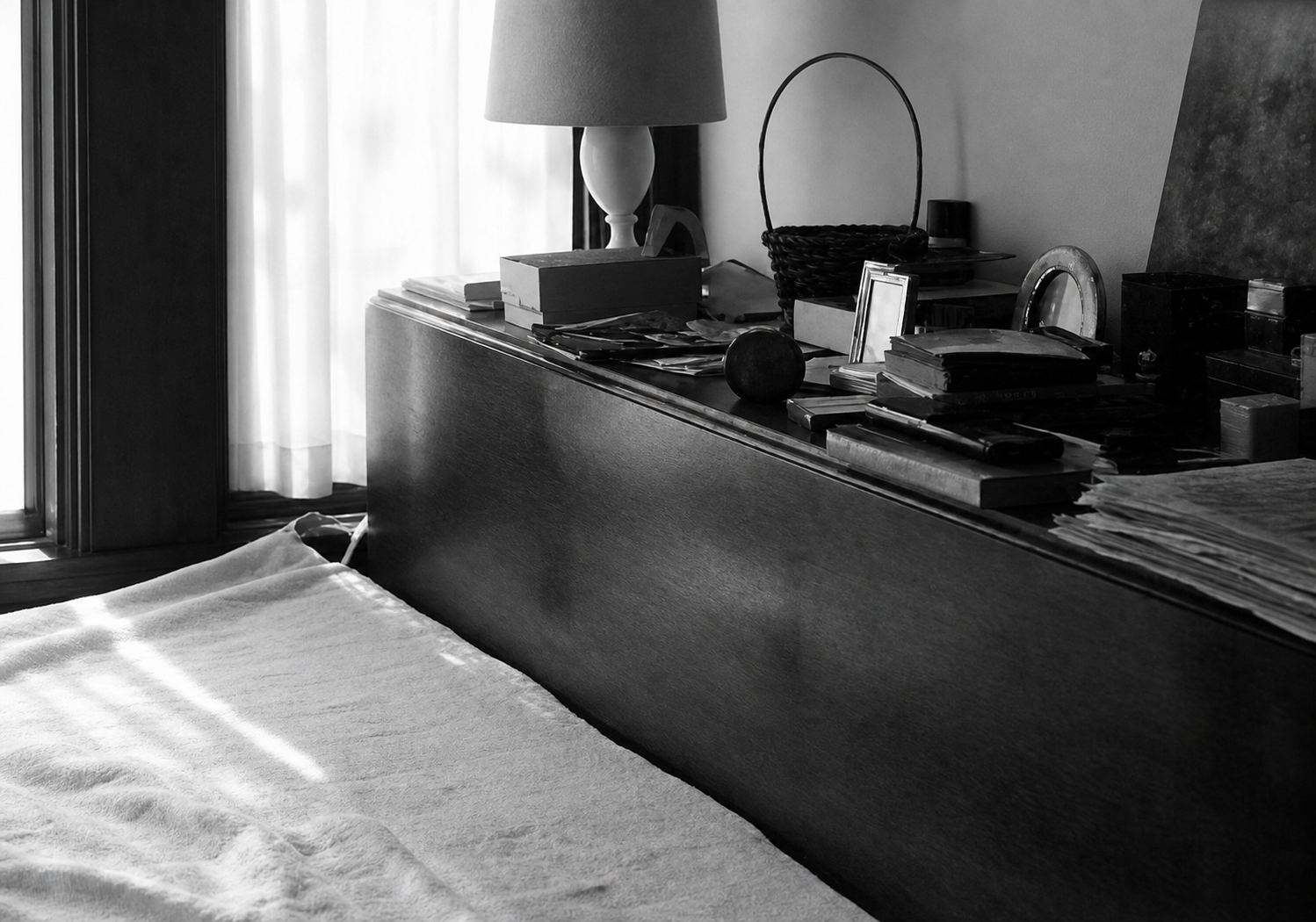
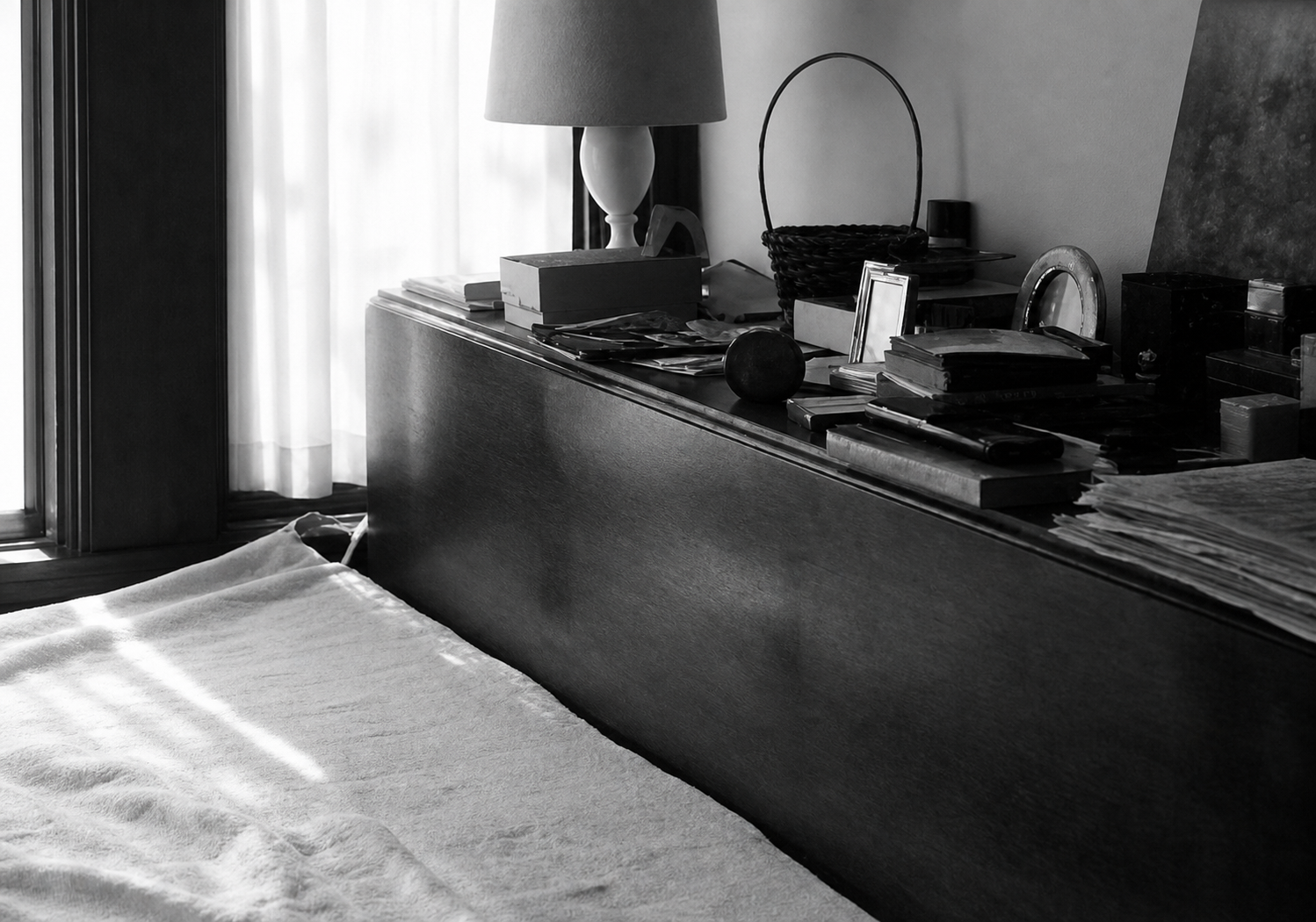
Here we see two different views of the same corner in a room. One focuses on the windows, and on a zone which has less life. The other focuses on the table behind the bed, and on the personal things lying there. The second, as framed, has more life.
The difference in degree is fairly obvious. But it is worth thinking about because if you are not used to making this distinction, it just may not occur to you that even within one room, one zone may be compared with another for the amount of life which each contains. In this particular case it is the zone which is more utilized because of its relation to living people, and because of the degree of adaptation and comfort that has happened there, which gives it greater life.
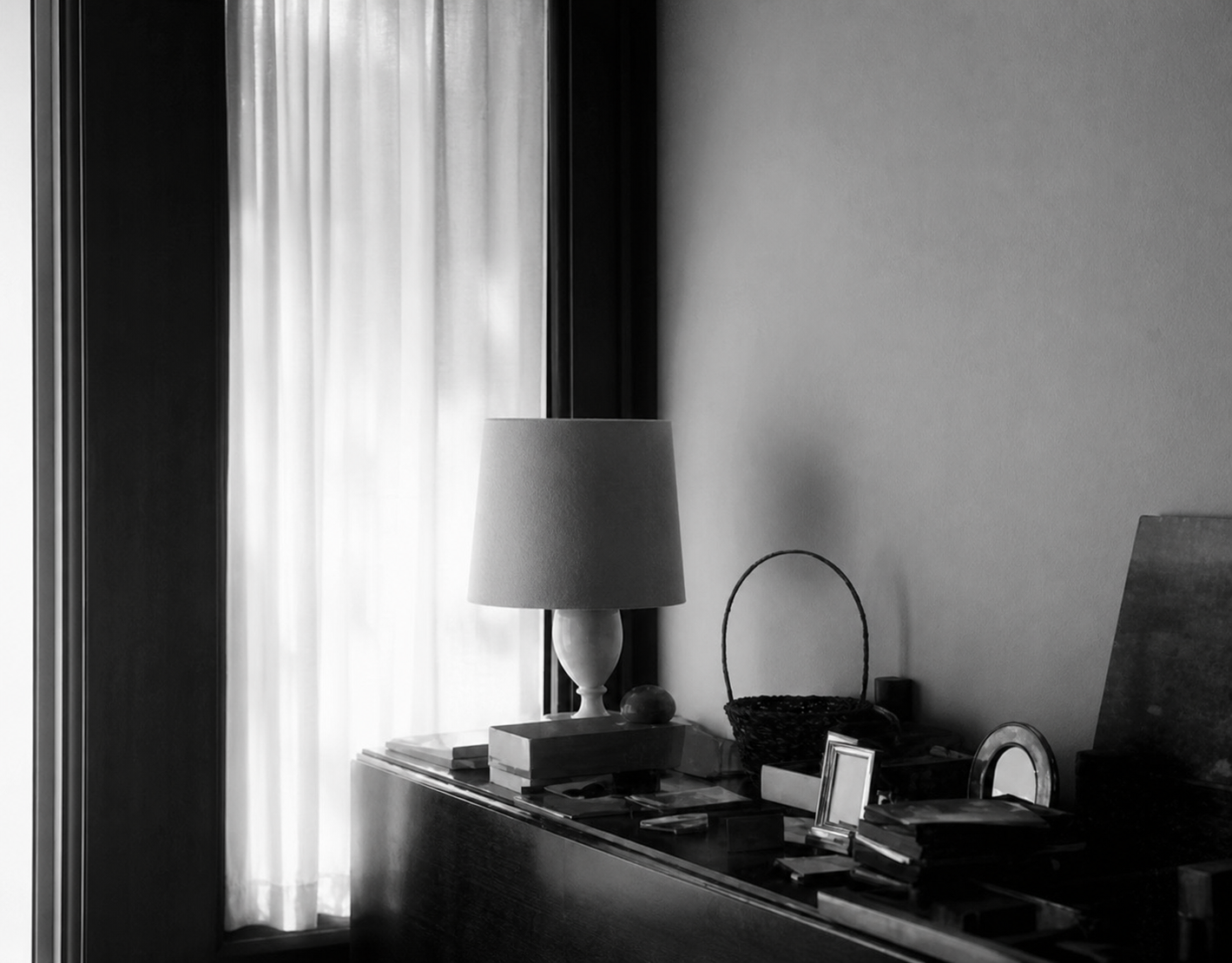
The zone of the windows
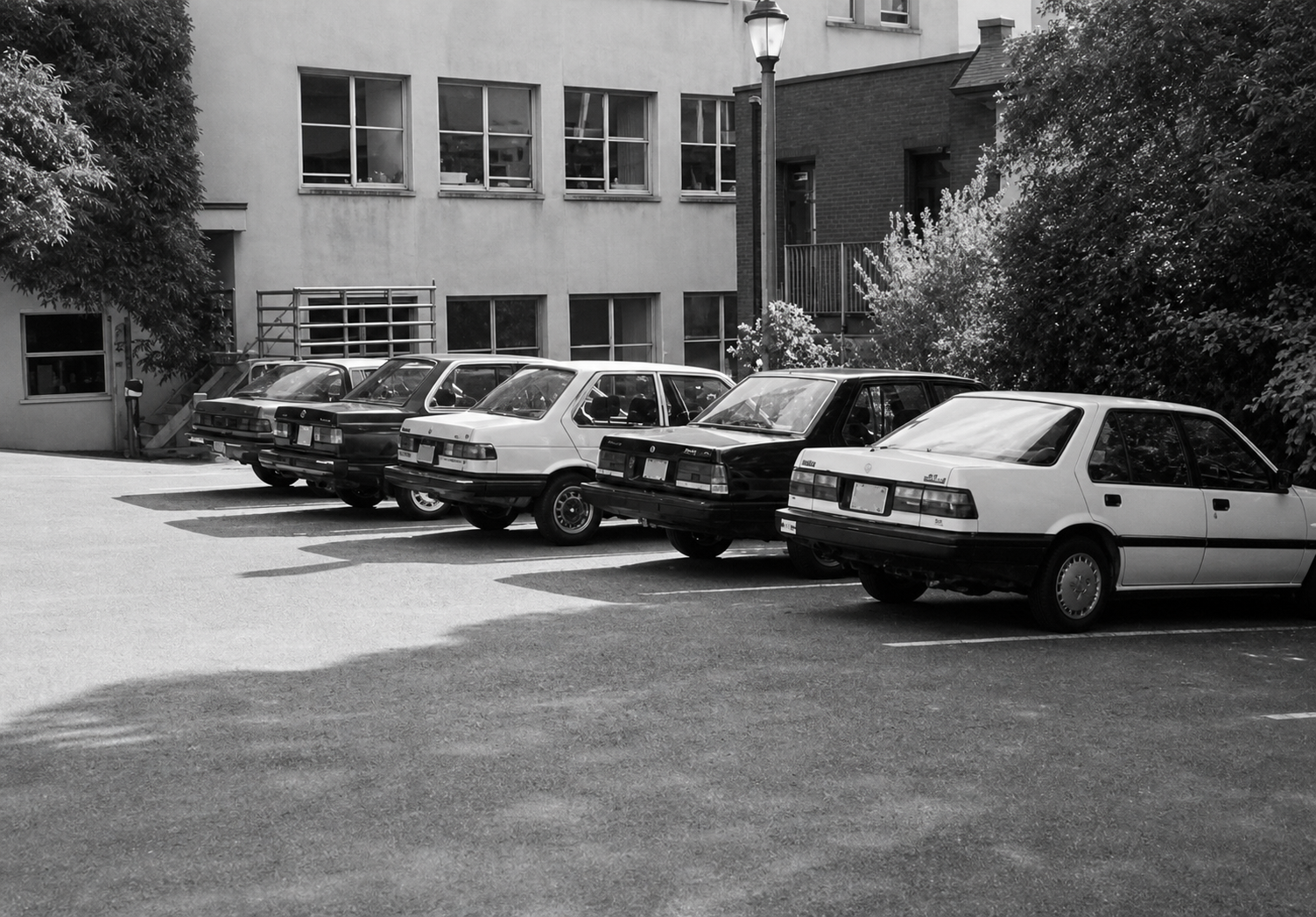
These two examples are intentionally similar in their degree of life. They lie less than fifty feet apart at the University of California. But if you ask which one has more life, and which makes you feel more alive within yourself, to look at, or to be
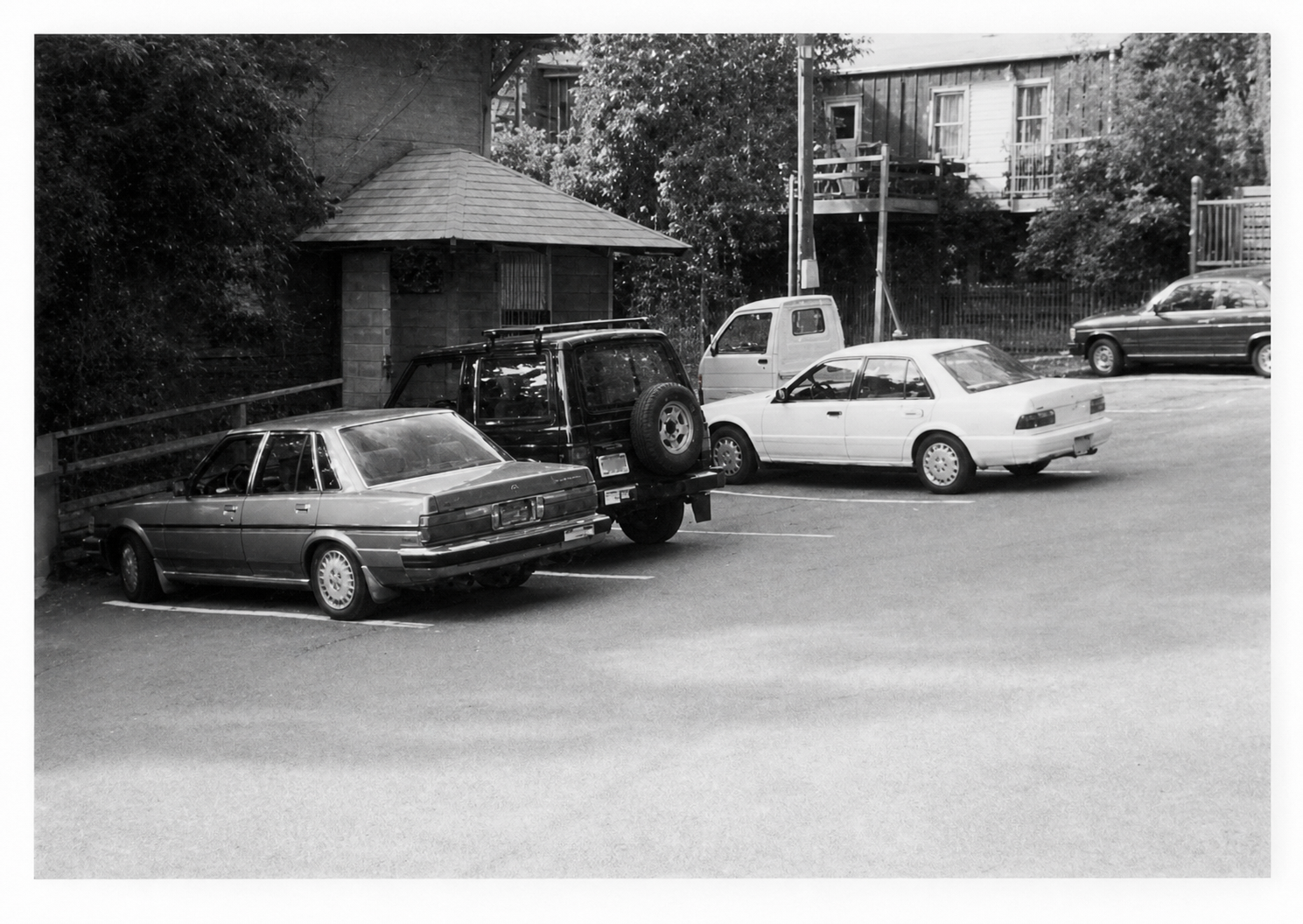
Parking lot with slightly more life. Cars are placed in irregular ways, the small building enters the space and creates more relationship there, you will probably choose the left-hand one. Is it the irregularity of the cars? Or the presence of the smaller scale introduced by the smaller building? It is hard to be sure of the reason, but the subtle fact remains.
Parking lot with slightly less life. Because the cars are in a uniform row, the space is larger, more homogeneous, less personal.
The girl looking at herself in the mirror of a machine at Coney Island has more zest, more love of life at this moment, than the posed model in the advertisement. In this case the one which is posed, not surprisingly, is the one which has less life.
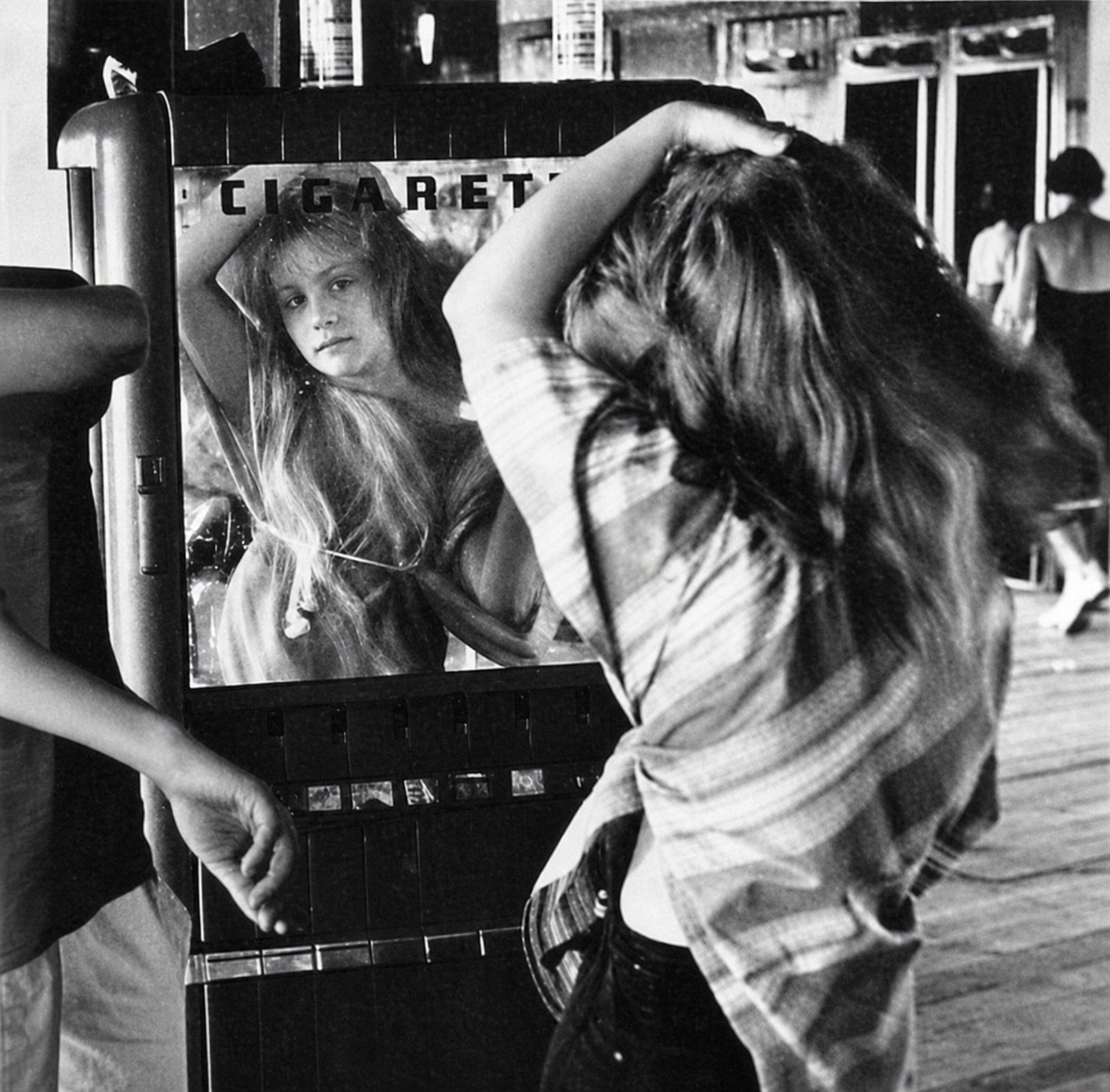

Advertisement from Vogue
This case is interesting. Surprisingly, the one which is more slick has more life. The left-hand lobby is slightly more polished, more slick even; and yet it has more life. It is because a luminous quality in the place makes it attractive, makes it seem like something that elevates you as you walk through it. The right-hand one has less to commend it. Though filled with people, it has more glare, is less friendly, is more dead in feeling, has less life in it.
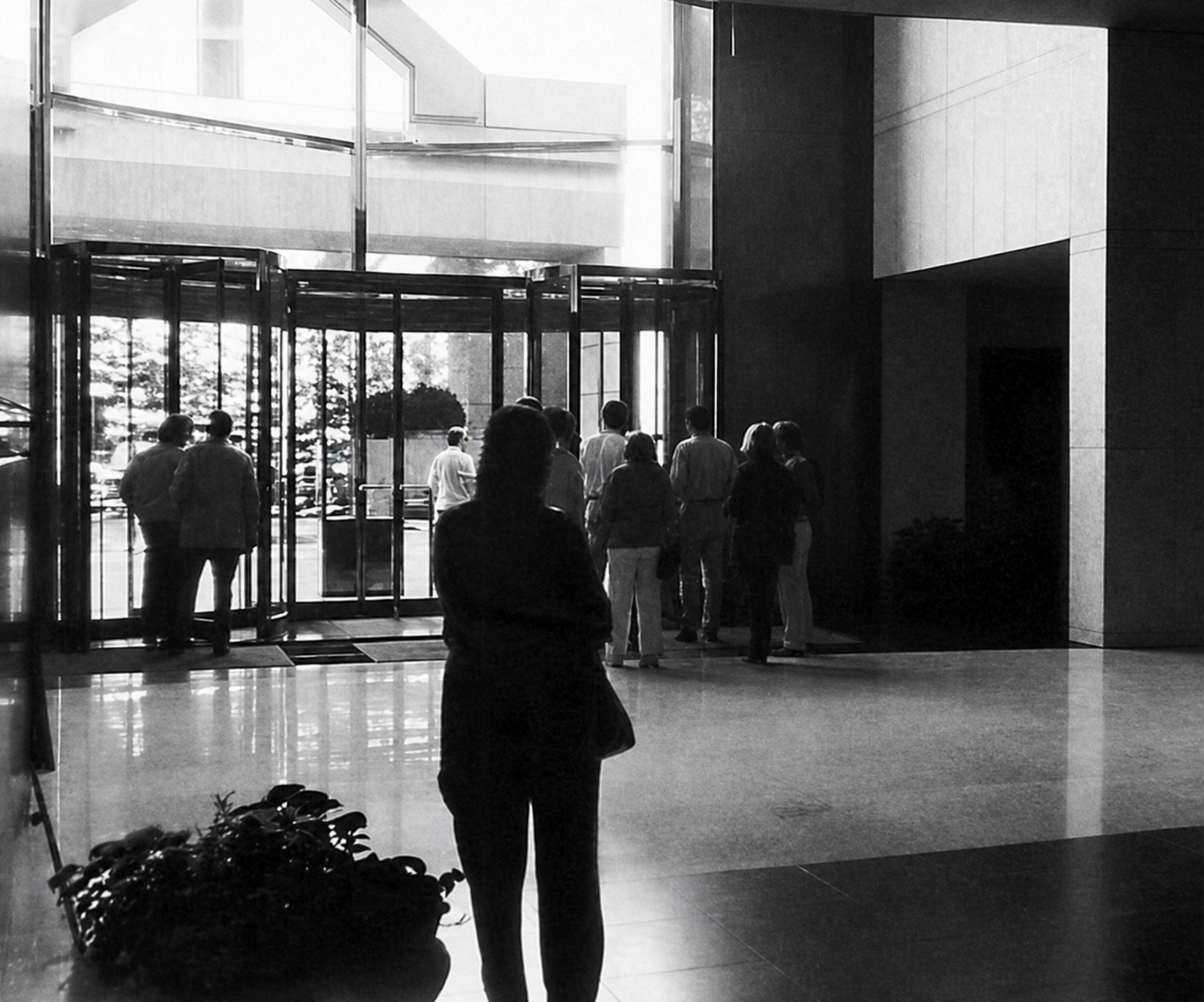
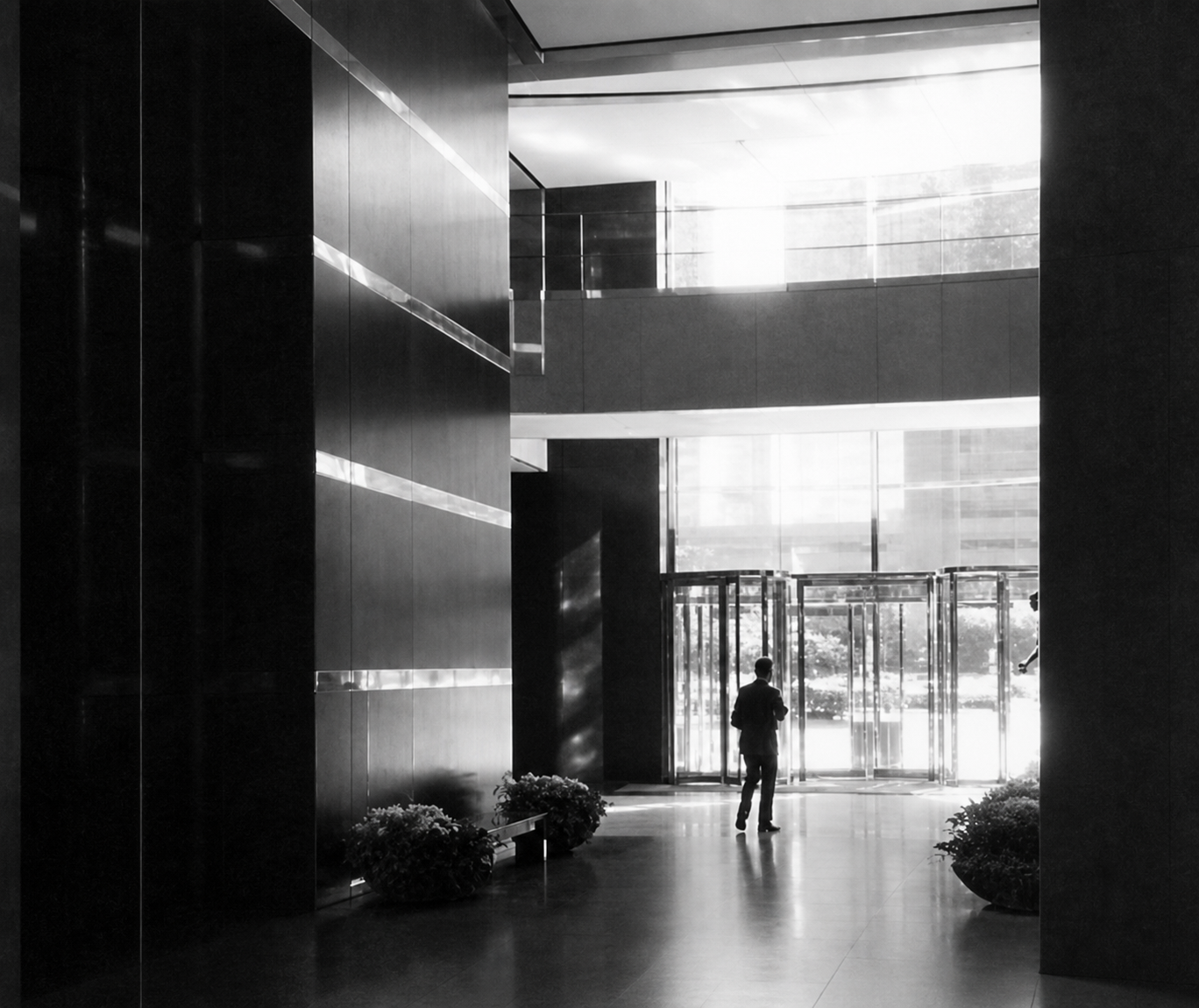
Muddled, more dead interior
Here the more broken-down example has more life, not less. The older fence definitely seems to have more life. It is weathered, leaning over, adapted to wind, land, water. We get a glimpse here of the fact that life is dependent in some way on time; and that subtle differentiation, adaptation, is a part of what we feel as life.
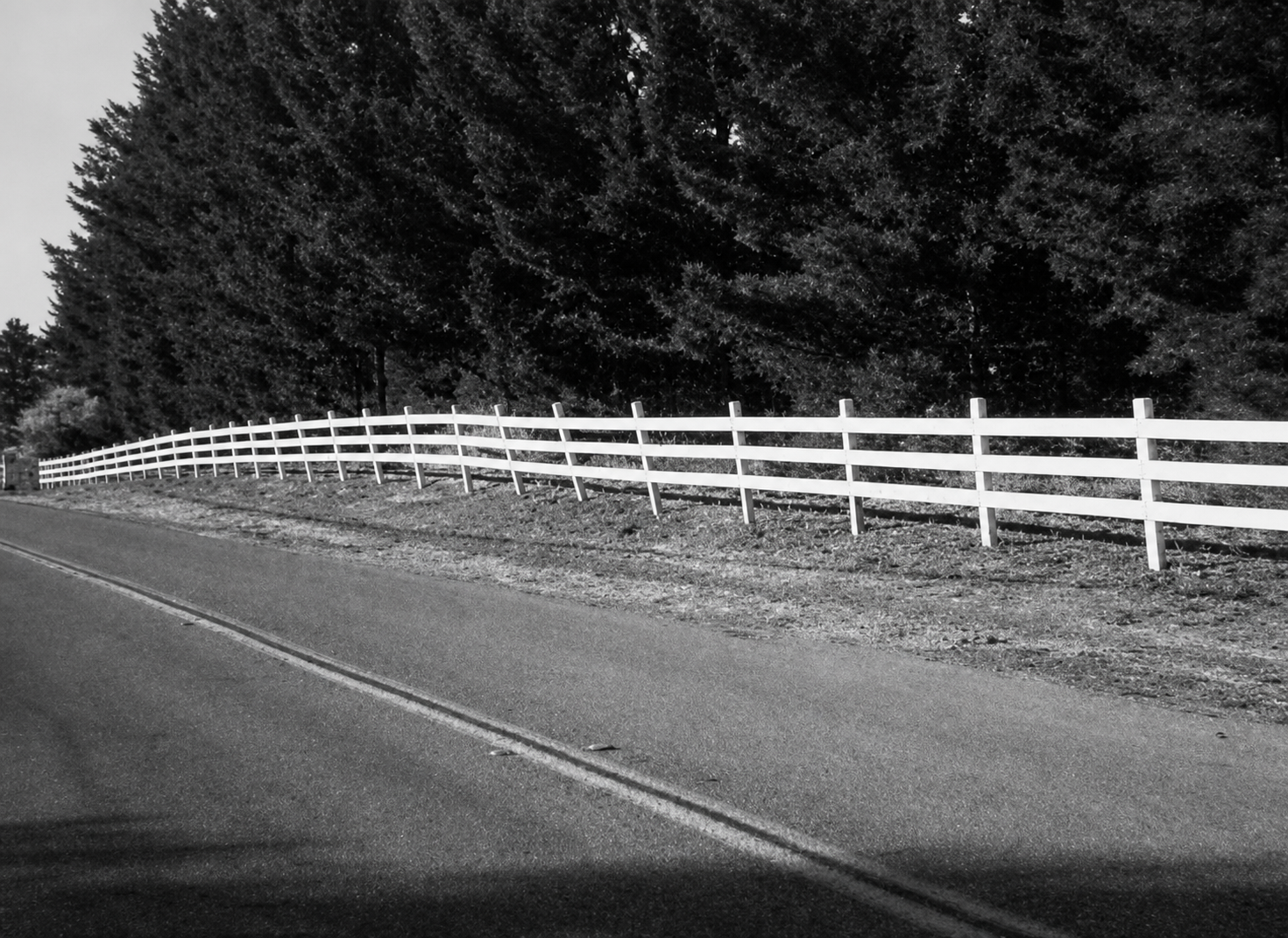
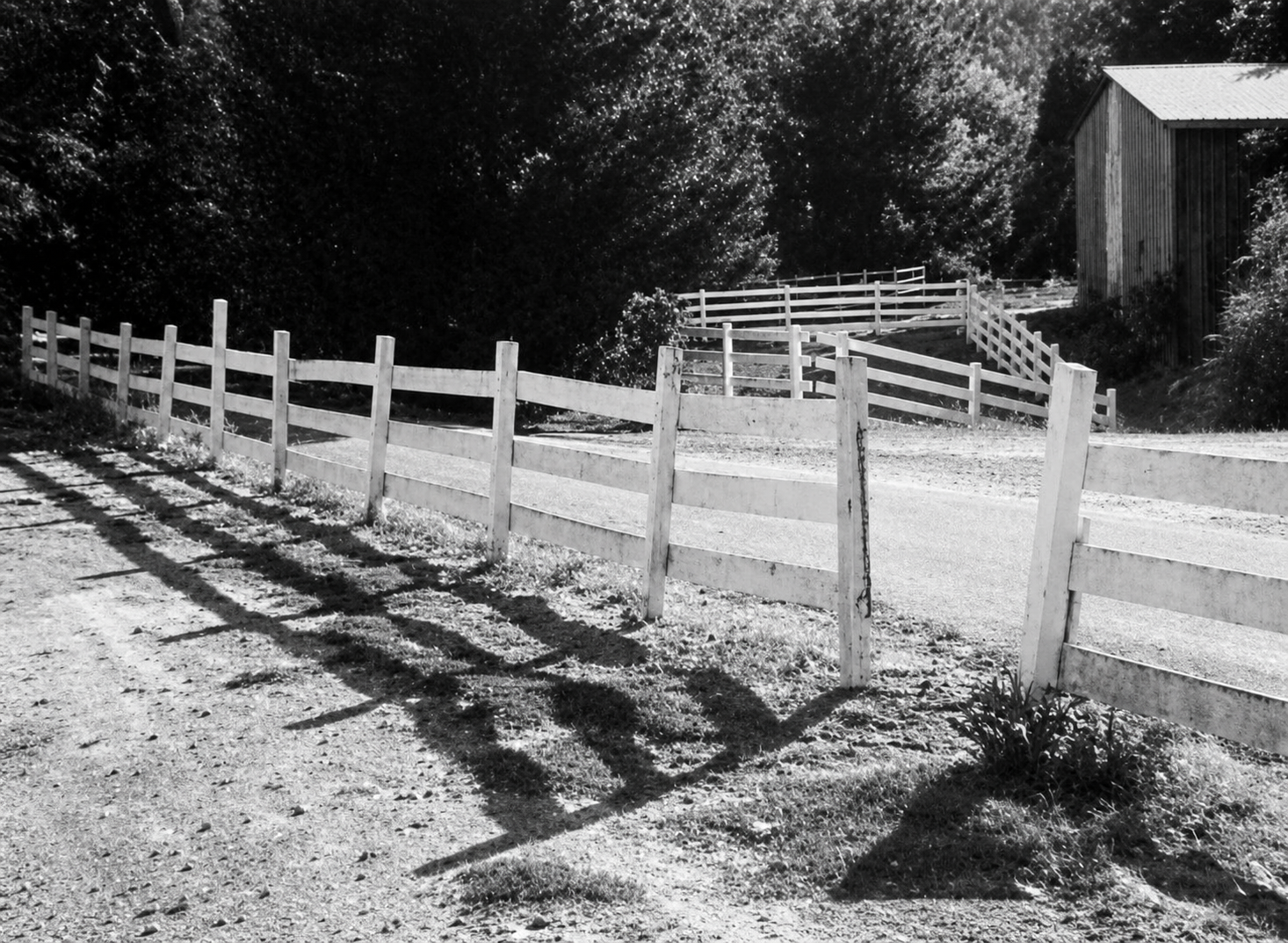
New fence
Two congested streets, both in downtown areas of cities, Tucson and Annapolis. Still, one of them (Annapolis) has detectably more life than the other. The degree of life is always there, whether the thing is good or bad.
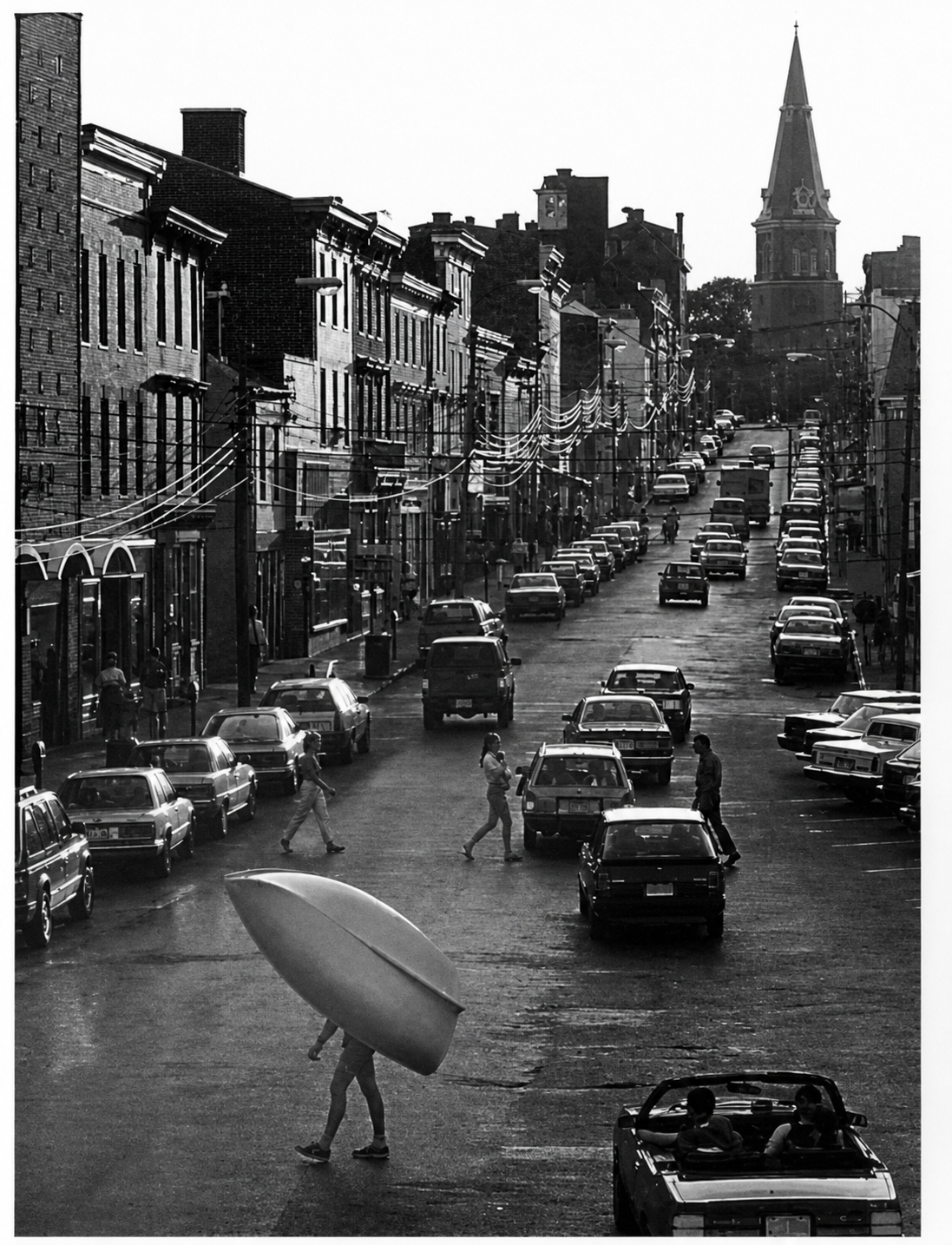
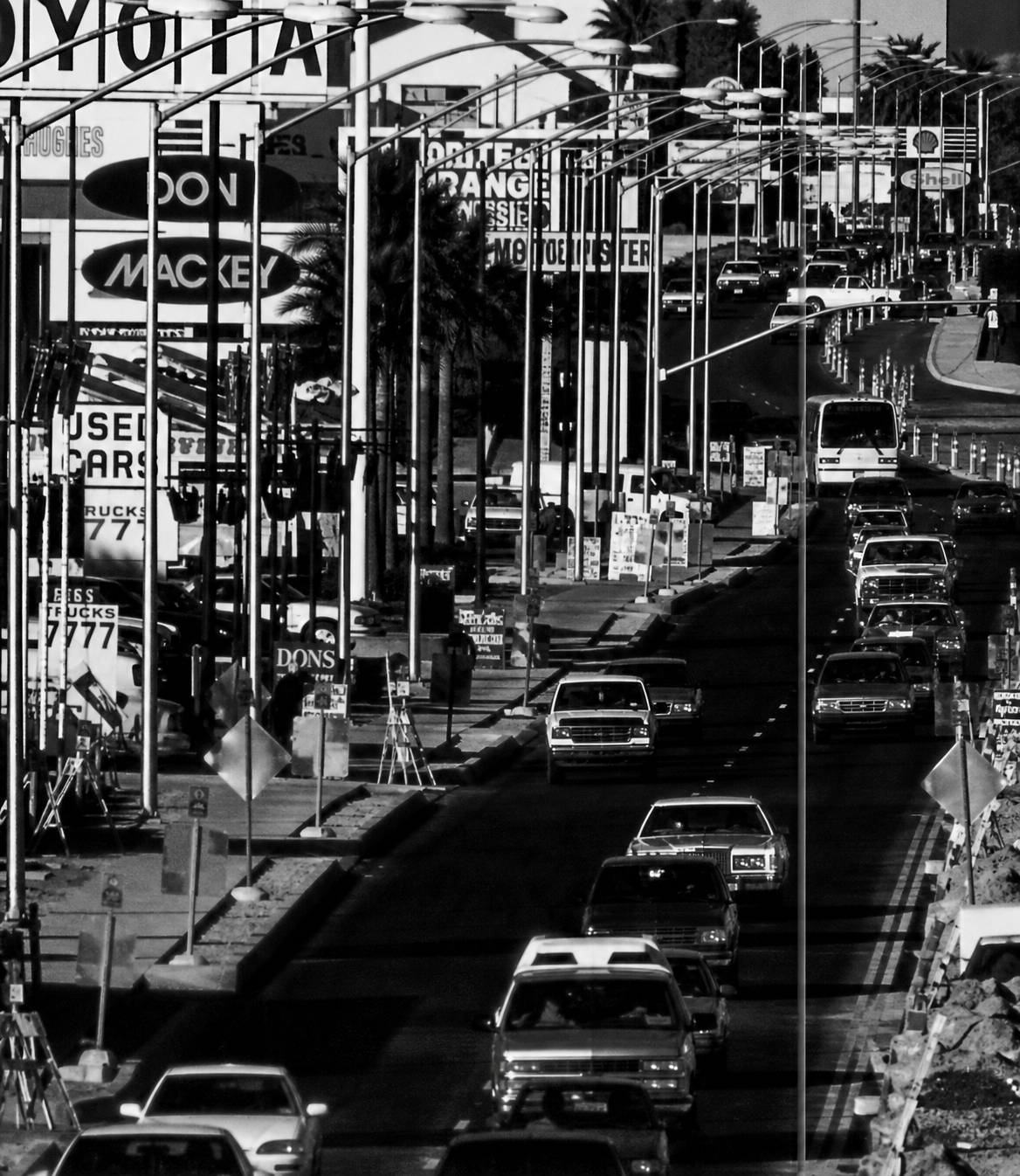
Speedway Boulevard in Tucson, Arizona
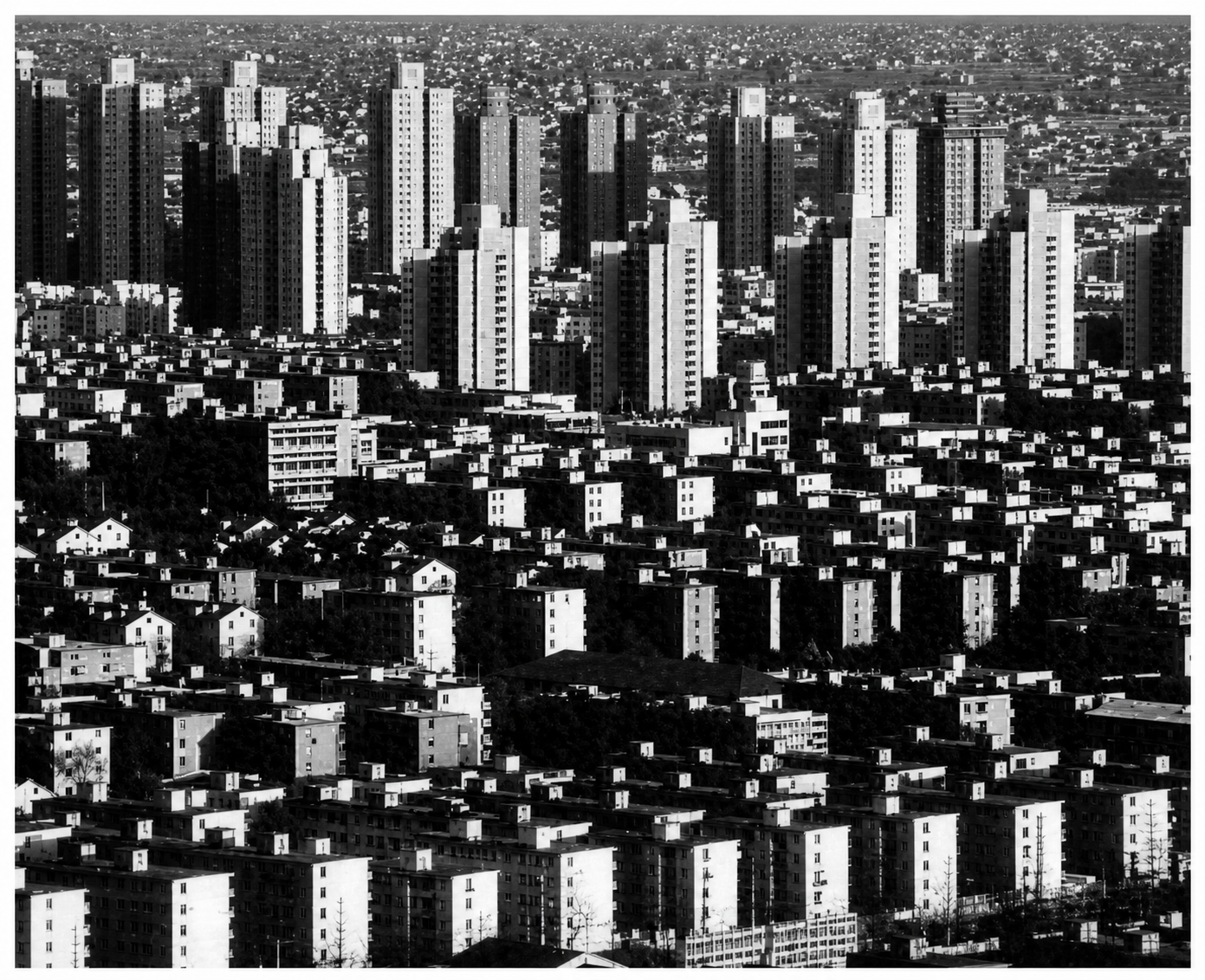
Of these two massively built downtown areas, neither are heaven on earth. But still the left-hand one has some vibrancy, some likelihood of human stories, some intense life lived amid the hardness that one sees in the picture. In the right-hand picture, the hardness runs deeper, it is more anal and sterile and repetitive: and one guesses at, and feels, less life in that place.
Downtown Shanghai again, but more anal, repetitive, and paralyzed
2/ THE UNIVERSAL
What exactly is the nature of the facts which I am bringing forward with all these examples? The essential fact is that in these cases, at least for many of us, the left-hand example of each pair feels more alive than the right-hand example. It is too early yet to describe what lies behind this feeling, or to try to explain it. But I urge you to recognize that the subtle distinction -- if you also experience it, as I hope you do -- is empirically real, even for cases where not much distinction seems to exist. Even though in a few cases you may have made a different judgment from
the one I have made, still I think you will have found that, broadly, you and I agree. In our daily life, we can make similar distinctions, comparing places, objects, social situations, even human actions and ecological systems -- two leaves, two bends in a river, and so on. We can make these distinctions even in cases that are only slightly different. And, of course, the quality being distinguished, this mysterious life, can appear in very great degree also. The pictures in chapter 1 show more extreme examples in which the life appears to a very great degree.
In historic times, and in many so-called primitive cultures, it was commonplace for people to understand that different places in the world had different degrees of life or spirit. For example, in tribal African societies and among California Indians or Australian aborigines, it was common to recognize a distinction between one tree and another, one rock and another, recognizing that even though all rocks have their life, still, this rock has more life, or more spirit; or this place has a special significance. The Yurok Indians of California, befriended by T. T. Waterman, made innumerable distinctions of this kind, which he recorded: it was common for example for a particular rock to be known as 'fishing rock', or a certain tree to be known as the tree for such and such a purpose.'
We too -- even with our scientific heritage -- feel one place to be more significant than another. We feel that a certain tree, or a certain rock, or a certain cliff edge, or a certain clearing, has great power or spirit -- or at least, we acknowledge that we feel awe in that place, or we feel an intensity of life. Furthermore, this experience is shared and common. It is not idiosyncratic. Many people feel the same way about just this bend in the Columbia River, his garden gate, this room, this bridge, this stream, this beach.
3 / Our Difficulty in Recognizing the General Quality of Life in Things
Nevertheless, I suspect that many thoughtful readers will have some difficulty with the nature of these facts. Some readers may, indeed, question whether what I call facts are facts, and whether the phenomenon I have indicated is reliable.
This seems an understandable reaction to my proposal. If something of such significance were true in a sense that we of the modern era could accept, one would expect it to be widely known and agreed upon, and one would expect it to be an acknowledged part of our society. If it were true (and generally recognized) that different parts of the world could be more alive and less alive, this fact would then quite naturally be the backbone of all our ideas about architecture and planning.
But it is clearly not the explicit backbone of our thought today. This would seem to speak against the fact which I am claiming. Indeed you, the reader, may have noticed that your first inclination, in at least some of the examples, was to judge them differently from the way I judged them. Is it not likely, then, that this sense of more life or less life in things is a private, idiosyncratic judgment without firm empirical content?
Certainly, if it were indeed merely a personal value judgment, our current sense of how things are in the world would remain intact. On the other hand, if it really were true -- objectively -- that different parts of space have more life and less life, this fact would have massive impact on our understanding of the world.
It is, therefore, far easier to assume that this is not true. It is difficult to believe that space itself can be alive, in greater or lesser degree. The idea that one part of space might have relatively more life, and another might have less life -- and the idea that this distinction would not be based on the presence of biological organisms but might instead be inherent in the space itself according to its structure -- would challenge our beliefs about the world to the very roots.
I believe many people who first encounter this idea, at first experience an instinctive refusal to trust the evidence of their own senses in this matter.' But in my view, to grapple with the idea successfully, we must overcome this knee-jerk refusal. To make that possible, I shall, in the next two sections, describe pairs where the relative degree of life is obvious.
4 / the Bangkok Slum
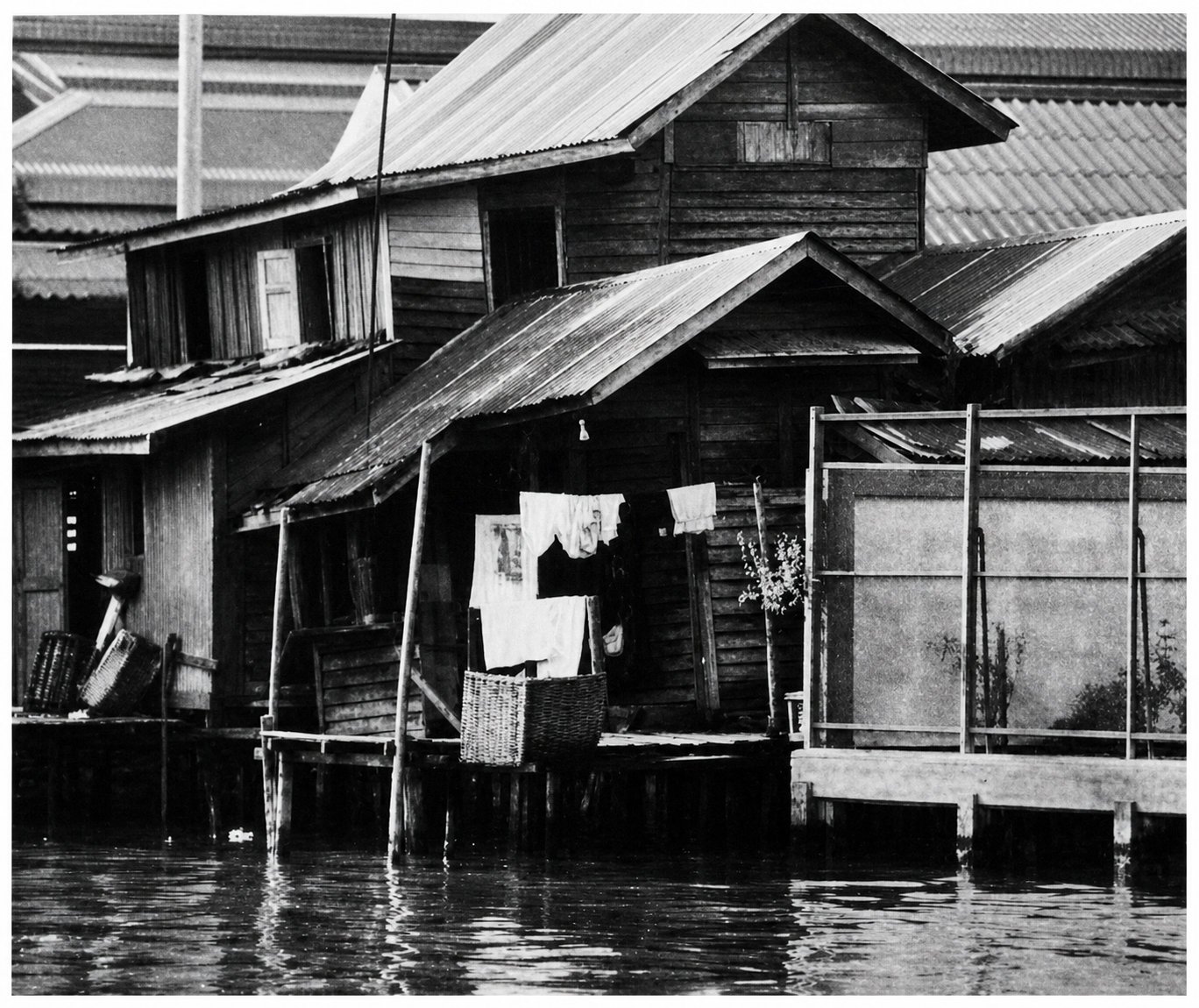
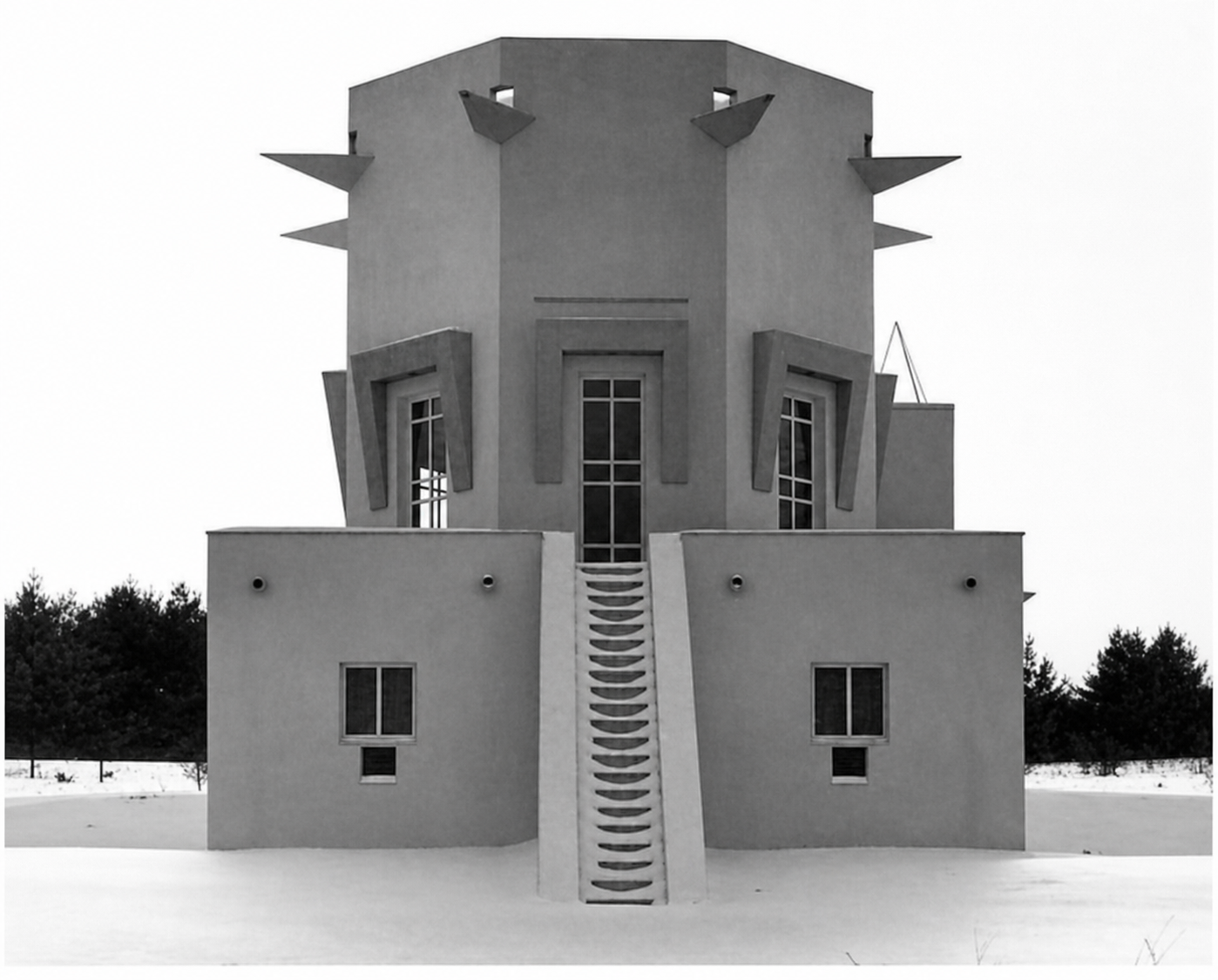
In 1992 I was lecturing to 110 architecture students at the University of California,' and put on the screen the Bangkok slum house and the postmodern octagonal tower which are shown again here. I asked the students to choose which of the two, for them, seemed to have more life.
For some people the answer was obvious. For others, it was at first not a comfortable question. Some asked "What do you mean? What is the question supposed to mean? What is your definition of life?" and so on. I made it clear that I was not asking people to make a factual judgment, but just to decide which of the two, according to their own feeling, appeared to have more life. Even so, the question was not quite comfortable for everyone.
To make the question more tolerable, I then asked the students to put themselves in one of the following three categories:
+ Those who feel the Bangkok house has more life.
- Those who feel the octagonal house has more
- Those for whom the question just doesn't make sense, or who do not wish to answer it even by basing an answer on their own feeling.
Here are the results:
» Eighty-nine said that the Bangkok slum house has more life.
+ Twenty-one chose to say that the question didn't make sense to them, or that they couldn't or didn't want to make a choice.
- No one said that the octagonal tower has more life
'o repeat, out of those 110 people, not a single one of them wanted to say (or was willing to say) that the postmodern building had more life than the Bangkok house. This shows an extraordinarily high level of agreement.
Of course the question -- and my choice of these two examples -- may be ridiculed. The octagonal house looks uninhabited. Was this experiment simply a vote which says that one is occupied and the other isn't? If so, that would not mean much.
But, under the surface, it was clear, even to people who raised this kind of skeptical objection, that something was.going on here. Several of the architecture students among the twentyone who said they could not judge the issue later came to me and told me that they had felt that the slum has more life, but did not feel comfort-
The postmodern house
able saying so. Why not, if the question was indeed so trivial?
I believe it was not trivial, and did not seem trivial to them. I believe that these students were embarrassed by a conflict between the values they were being taught in architecture school, and a truth they perceived and could not deny. In spite of themselves, they saw some quality of ordinary life, with all the feelings that entails, present in the slum, regardless of its poverty, hunger, and disease. And there is some quality of absence of life visible in the octagonal tower which does not go away even if I say that it will be occupied tomorrow.
Thus, in my view, the sense one has in making this judgment is that it is about something real. And because of this, people tend to agree. Indeed it is about something real.
The power of the effect is remarkable -- especially when one remembers that most of the hundred-odd people in the audience were architecture students. Given the cultural milieu and ethos of the late 20th century, many of them had come to school to learn how to build things like the postmodern tower. If a hundred of these
students were asked to say which of these two things had more life, and not one of them could bring himself or herself to say that the obviously more architectural one (the one which is more similar to buildings that have been held up to them as models of architecture in other classes) had more life, it is clear that something remarkable was going on under the surface.
Indeed, I think there is no doubt that the students -- many of them anyway -- found the question disturbing, almost as if a secret, a hidden truth, were being dragged from them in spite of themselves. After having said that the Bangkok house has more life, could that same student then honestly say to himself: "Anyway, the octagonal tower is better," or even, "Postmodern architecture is good"?
Simple though it is, the question has the power to bring perverted values into doubt. The students may have felt it was irritating, silly, an unreasonable question. A few abstained, apparently because they did not like the question, or felt it could not properly be answered. But nevertheless the fact is that the vast majority did, when asked the question, make this judgment, not the other.
5 / the Illuminated Manuscript and the Auditorium Detail
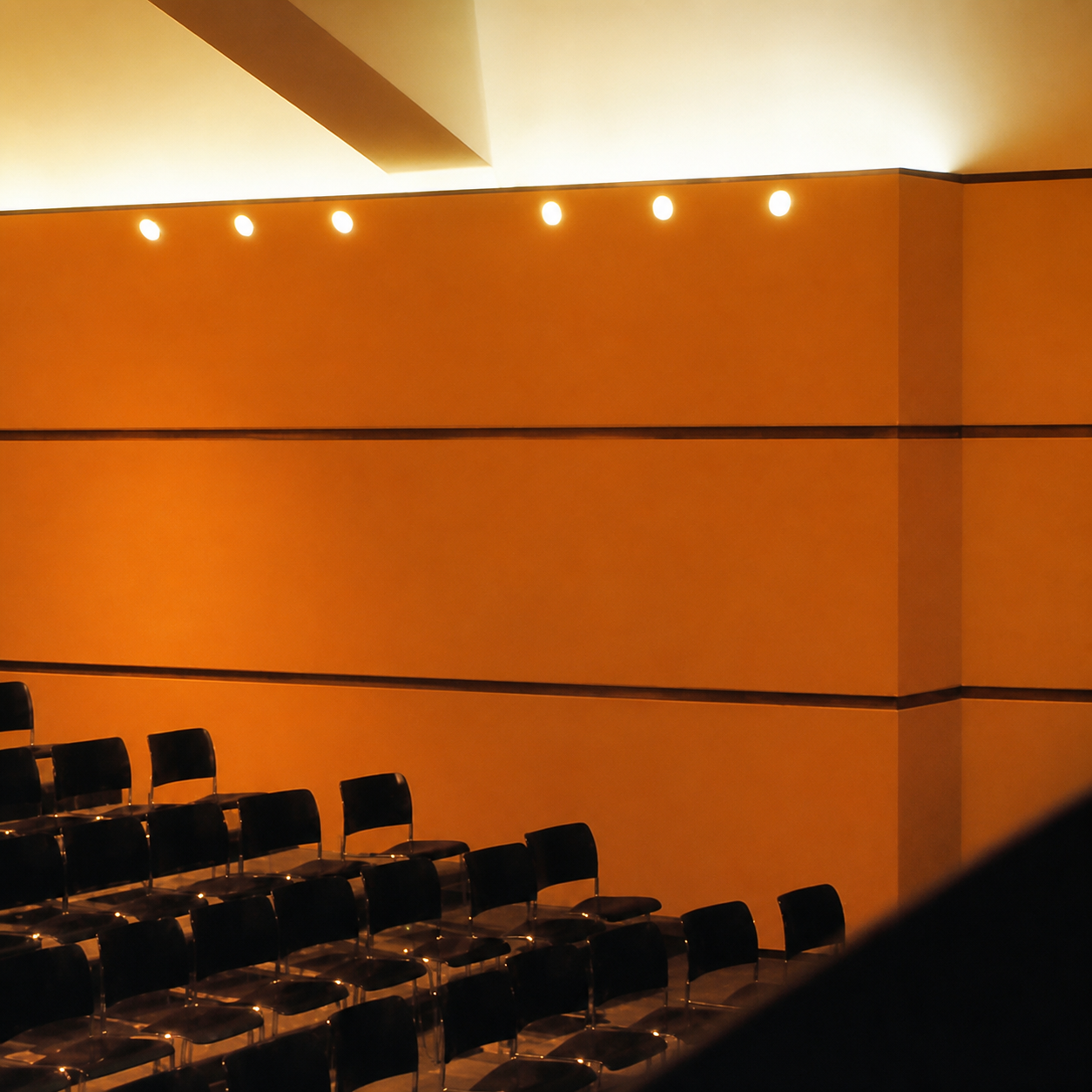
On another occasion, I did a similar experiment, asking students to compare a picture of an illuminated manuscript (as shown in color in chapter 1) with a section of the wall of the auditorium where the lecture was taking place -- a wall that was decorated in postmodern fashion with round brass lights and brass strips.
Once again there was strong agreement that, of the two, the illuminated manuscript had more life. But as before, for some students their agreement was reluctant; they expressed themselves irritated by the question, and felt that it was false or "rigged."
The discomfort was voiced by one architecture student who complained that the comparison was "unfair." I asked what it meant to say that it was unfair. The answer came back that in some sneaky sense it seemed to be showing modern architecture in a bad light. Another student complained that the illuminated manuscript was "old." I asked what that had to do with the empirical question: which of the two has more life according to your intuitive, immediate feeling? The answer came back, again, that since it was old it was irrelevant, and it was not a "fair" comparison. But the point of the demonstration was simply to show that people do, indeed, react to things according to the degree of life they have, and that they often agree about it. The very objections that were raised, showed that for the
complainers, too, this was undeniable. And as such, by introducing the idea that such judgments might be objective, the demonstrations cut, once again, to the root of the arbitrariness they were being taught in school, and made the students nervous.
The irritation which students expressed sheds important light on the nature of the phenomenon. It was clear, in the context in which I was asking these questions, that I intended to use the criterion of life as a basis for making distinctions about good and bad in architecture, and that I was intending, further, to encourage students to make buildings which have as much life as possible. Although, on the face of it, it would seem innocent enough and unobjection able, to ask which one has more life, I believe that it goes to the core of present ills in architectural education and architectural practice.
Is the foundation of modern architecture threatened by this innocent question?
Students found themselves having to stall in order to overcome this awkward intellectual dilemma. They wanted, perhaps, to give the impression that this criterion was hard to apply. And yet to their surprise they found that it was in fact rather y to apply. Furthermore, the objects which this criterion singled out were not the
SIA
Sale
Baraat cr narstomren hoe cuter Fran ciprwnonte novia femora,

It would almost appear, then, that the present fashion in architecture is so hollow that its adherents need to prop it up by refusing to see the life in things, or by refusing to apply this criterion to decide what is good, bad, better. The more one looks at it, the more it seems that the very existence of the criterion threatens the existing intellectual order in the field of architecture.
In short, I believe that architects and architecture students sometimes become uncomfortable when facing this question, because the moment it is asked, they already sense that most people will answer it the same way, and this will be a way which does not speak well for current standards in architecture.
The fact that the life which is being measured has no clear meaning within contemporary biological thought can also cause serious difficulties. Since there is no academic framework on which to pin the question, it can raise doubts of an intellectual nature. Some people have made it clear to me that they are uncomfortable because they cannot make sense of the question, cannot express it in acceptable scientific terms, cannot define for themselves what the
Auditorium wall in Wurster Hall, Berkeley, California *
question might really be about. It almost seems to open the door to something forbidden.
The revealing and vital character of this "life" we see and feel in things will become more clear if I draw attention to its "dangerous" character. During the last thirty years I have come to believe that it is difficult to see and accept the existence of life in things, because the social implications of its existence are so extensive. Put simply, if this life in things really exists as I am claiming, that fact alone has enormous ramifications; it implies that many things in our society and way of life may have to change. Fear or a natural reluctance to consider these changes makes us intellectually timid, and less open to the fact itself. Thus one may be unwilling to recognize the existence of this "life" in things, because of a dim -- and sometimes perhaps notso-dim -- awareness that if it does exist, then everything in society, and in our view of the world, must change."
For this reason, in a dialogue with a person who is experiencing this kind of trouble, I try to relax him by saying, "I know the question may seem like nonsense, please just go along with me, forget whether the question means anything sensible or not, just give the first answer that comes into your head. To you, which of these two feels more alive?" Once relaxed like this, the person is often more forthcoming, and more willing to express what he feels.
But even then, the nagging voice comes back: "What does this mean? Is it a game?
Where is it leading?" And this nagging voice is made louder by the fact that, no matter what they say, we suspect that most people will give the same answer. All the defenses, which are created in our minds to protect the legitimacy of the mechanistic world-picture, start to argue against the question, do not like it being asked, want to characterize it as nonsense.
There is another reason for the irritation which people may feel. The architecture of the 20th century established certain accepted stylistic norms. The negative examples in both the comparisons I have given are typical of these norms. Yet they are clearly the ones where one feels less life. Immediately, this question therefore opens the door to a serious criticism of the architecture of the 20th century. If typical examples of good design by 20th-century standards have less life than a slum in Bangkok, and less life than an illuminated manuscript from the Middle Ages, any architect who wishes to defend modern and postmodern architecture will almost have to say, "This question doesn't make sense," just to defend his profession and his own selfworth as a professional.
Of course, the question "Which one makes you feel that it is more alive?" is at root simply empirical. But that is exactly why it is so disturbing. Whatever the question means, it seems to probe an area of thought which may have devastating results for the image-based style of architecture current toward the end of the 20th century.
The examples I have given make it rather clear that, when we go by feeling, there is something at work. We do notice differences in degrees of life in different places, everi in the smallest aspects of our daily existence. To a large extent we agree about which cases have more life and less life. And in many cases we feel instinctively that
this greater or lesser life is inherent in the shing.
There is no obvious explanation to hand. The biological-mechanical definition of life does not explain these distinctions. Indeed, not one of the kinds of explanations I have given in my informal comments has the power to explain all the cases.
But there is a growing suspicion -- perhaps shared by the reader -- that there may be some structure common to all the examples. So many of the reasons for more life in one thing than another refer to structural features: the light, the level of detail, the roundness and completeness, the subtlety, and so forth. Nevertheless, all one can really say with any degree of certainty at this stage is that the judgment about life appears to be a fundamental, primitive quality in things, a fundamental judgment about the world, which appears in every aspect of reality that we encounter.
It is strange that a phenomenon of such power and of such generality -- if true -- should be missing from our general way of understanding the world. The simplicity of this idea should not make us miss its truly enormous stature. We seem to have a fundamental observation -- so far unexplained -- that among pairs of events, bits of space, places, and particles of existence, we can usually judge that one has a greater degree of life and the other less, at least according to our feeling. And we have the observation that our experience of this life in things is roughly consistent from person to person.
It is hard to see how society could form a proper conception of its own existence without being cognizant of this fact. Yet, for the last hundred years, modern society has existed almost without this knowledge -- and has even built institutions, organizations, and procedures on the basis of conceptions which are absolutely at odds with it.
The possibility that the degree of life of different things and places and events is objective -- not solely in the individual -- implies that this "felt" life has some part in the scheme of things that is truly enormous. If so, the existence of this felt life -- existing as it must to some degree in every single thing there is -- would be a discovery, an awakening, at an extraordinary level, perhaps comparable to the 16th-century discovery of the fact that the earth moves round the sun, or the 1gth-century discovery of the electromagnetic nature of light.
7 / my Fundamental Hypothesis
Over the years, the observations of this chapter -- and others like them which my colleagues and I have made repeatedly during the last twenty years -- have led me to believe that the difference in degree of life that we discern in things is not a subjective assessment, but an objective one.? It describes something about the world, which exists in the world, and resides in structure.
Istate this by means of the following hypothesis: What we call "life" is a general condition which exists, to some degree or other, in every part of space: brick, stone, grass, river, painting, building, daffodil, human being, forest, city. And further: The key to this idea is that every part of space -- every connected region of space, small or large -- has some degree of life, and that this degree of life is well defined, objectively existing, and measurable.
The hypothesis means that every part of a building -- every windowsill, every step, each speck of dust, the space between this chair and that wall, the roof, the space under the eave, this concrete path, that parking space, the line between the parking spaces -- each one has its degree of life. The hypothesis is simple. But it is certainly not something we can consider established. As we shall see in later parts of the book, even the scientific techniques for deciding, empirically, whether indeed this is true or not true are subtle and refined. I cannot therefore expect the reader to assume that this hypothesis is true. I simply ask that the reader consider that it might be true. I shall then try to present an accumulation of evidence and experience which will persuade the reader that indeed it is true.
The hypothesis appears novel, perhaps because it is so much at odds with the currently popular mechanistic conception of the world which we accept almost without thinking. But! shall try to show that my hypothesis is not a romantic bit
of wishful thinking, but that it is an idea which can be formulated precisely in structural terms that can take their place as a normal part of the scientific world-picture.
Notes
1. Waterman was an anthropologist who worked in the Department of Anthropology at the University of California, Berkeley, during the early decades of the 20th century. The directness and earthiness of his descriptions always impressed me. T. T. Waterman, YUROK GEOGRApuy (Berkeley, California: University of California Publications in American Archaeology and Ethnology, 1920, 16 no. 5,177 314).
2. I believe the reluctance which we may feel in accepting that life and degree of life really are general phenomena, is inevitable -- because it comes about as a result of that mechanistic world-view which I have discussed in the preface.
3. Department of Architecture, Fall 1992.
4. For example, in 1991, during public discussion of high-density apartment buildings in Japan, I proposed a form of housing single families in 2 1/2-story cottages, with small lanes, and in which every family has a garden. Rather surprisingly, this kind of housing can be built at 80 families to the acre (200 per hectare) -- the same density as typical present-day Japanese high-rise apartment buildings which are 10 to 14 stories high. The cost is the same, too. Which one, therefore, should one build?
In order to help the city of Nagoya, my colleagues in Japan made a survey in which 100 family members were asked to describe their feelings about the kind of housing I had proposed, compared with the 14-story apartment buildings that are usually built at the same cost and density. They were asked which one they preferred, and also which of the two environments seemed, to them, to have more life. Once this survey was made it showed overwhelmingly that the families questioned preferred the low-rise housing. The survey also showed that the families considered this to be a matter of degree of life and that the low-rise housing, in their view, had more life (Hisae Hosoi, opINIONS OF ONE HUNDRED FAMILIES ABOUT LOW-RISE AND HIGH-RISE APART- MENTS, unpublished ms., Tokyo, 1991).
However, it was surprisingly hard even to get permission to make this survey in the first place. Public agencies in Nagoya went to some trouble fo prevent this survey from being made at all by interfering with practical details of the survey process, and by trying to change the questions. I believe this interference happened because, intuitively, the officials working in the agencies guessed what result the survey would have
(after all, they themselves would probably have given the very same answers everyone else gave), and yet knew that these answers were at odds with existing policy. They feared this result, and therefore did not want a public survey asking shese questions at all. (Details of their attempt to prevent this survey from taking place are given in Christopher Alexander and Hisae Hosoi, THE Precious JEWEL, forthcoming.) The reason is not hard to find. The form of high-density low-rise housing which I proposed in Japan would -- if accepted -- upset many present-day forms of land speculation, especially those now seeking to go to still higher levels of density, which would be hampered by natural limits inherent in the low-rise plan. Money interests in Japan therefore supported those who sought to avoid public exposition of these facts.
The very existence of a fact that one kind of housing has more life than the other -- if this is indeed a fact -- can be potentially unsettling. For a housing ministry, for city departments, developers, banks, and other related interests, even established architectural and construction practices, exploration or even open discussion and acknowledgment of such a fact about degree of life in housing projects, can bring into question a wide variety of firmly held assumptions about architecture and economics.
It is therefore natural that those associated with entrenched interests will assert that the greater life of the one design compared with the other is just a matter of opinion. All this makes the fact itself more difficult to see, more difficult to acknowledge, more difficult to recognize as intellectually and empirically sound.
5. Extensive studies demonstrating the empirical validity and replicability of these judgments have been made by my colleague Professor Hansjoachim Neis, who has undertaken experiments of this kind repeatedly during the last fifteen years. Other studies which confirm the existence of such judgments as repeatable and objective include: Cristina Piza de Toledo, "Empirical Studies Judging the Degree of Life in Photos of Buildings and of Artifacts," masters thesis, University of California, Berkeley, Architecture Department, 1974; Hansjoachim Neis, "City Building: Models for the Formation of Larger Urban Wholes," Ph.D. diss., University of California, Berkeley, Architecture Department, 1989.
6. See chapter 9.