Part One
What is living structure?
What is life in buildings?
What is a living world?
What is the structure of a living world?
Chapter One
The Phenomenon of Life
1 / Introduction
It is widely agreed today that we want to build towns and buildings which play their proper role in the preservation and continuation of life on earth. This has come about, in large part, as a result of the growing interest in ecology. When we study ecology, we begin with the idea that we must preserve nature, preserve the rain forest and chaparral, preserve the animals and plants of the earth. This general desire to preserve living things is then extended to tell us that we should build buildings and towns and neighborhoods, in such a way that their action also plays its role in the balanced harmony and life of the earth.
At first the effort to make buildings play their proper part in the living system of nature was seen as a narrow problem, which meant that one's use of energy, use of materials, use of resources, should all be consistent with the preservation of the earth as a balanced living system. More recently this interest has expanded. Many people now define their aim to be the creation of towns and buildings which are part of the living fabric of the earth and which are themselves, in short, alive.'
But here, suddenly, we find ourselves up against a very unusual scientific problem. Within biological sciences as they stand at the end of the 20th century, we do not have a useful, or precise, or adequate definition of "life." In traditional 20th-century scientific orthodoxy, life -- or, to be more precise, a living system -- has been defined as a special kind of mechanism. The word "life" has been applied only to a certain limited system of phenomena. We shall see, in this book, that this conception of things needs to be changed. "Order" may be understood as a most general system of mathematical structures that arises because of the nature of space. And "life," too, is a concept of comparable generality. Indeed, in the scheme of things I shall describe, every form of "order" has some degree of "life."
Thus life is not a limited mechanical concept which applies to self-reproducing biological machines. It is a quality which inheres in space itself, and applies to every brick, every stone, every person, every physical structure of any kind at all, that appears in space. Each thing has its life.
The need for a broader view of life comes about, in a simple way, from the ecological viewpoint. Nowadays many people have begun to recognize the importance of animals, plants, and living systems to the earth; and have begun to seek a view of architecture and city planning which is consistent with the maintenance of life. So far this has been fairly intuitive. It has meant that, in addition to buildings, architects want to create systems of trees and plants which sustain themselves: systems of building that are wholesome with respect to nature, coordinated with natural processes, not damaging to the great forests of the Amazon, not damaging to the birds and butterflies in the backyard. For several decades architects and lay people have understood this form of architecture as something desirable.
But we need to push the ecological idea further. What it needs -- what it already has, as a seed within it -- is a conception of life which goes beyond the narrow mechanistic biological view of life, and somehow embraces all things.
This arises from the desire to take everything as a single system and to make it whole. If we want to take an ecological view of architecture, we naturally try to take the view that our job on earth is to create life in buildings and in towns, not only in the "wild" part of nature. This is quite different from merely preserving the natural life which exists. It means creating life in man-made things and natural things together.
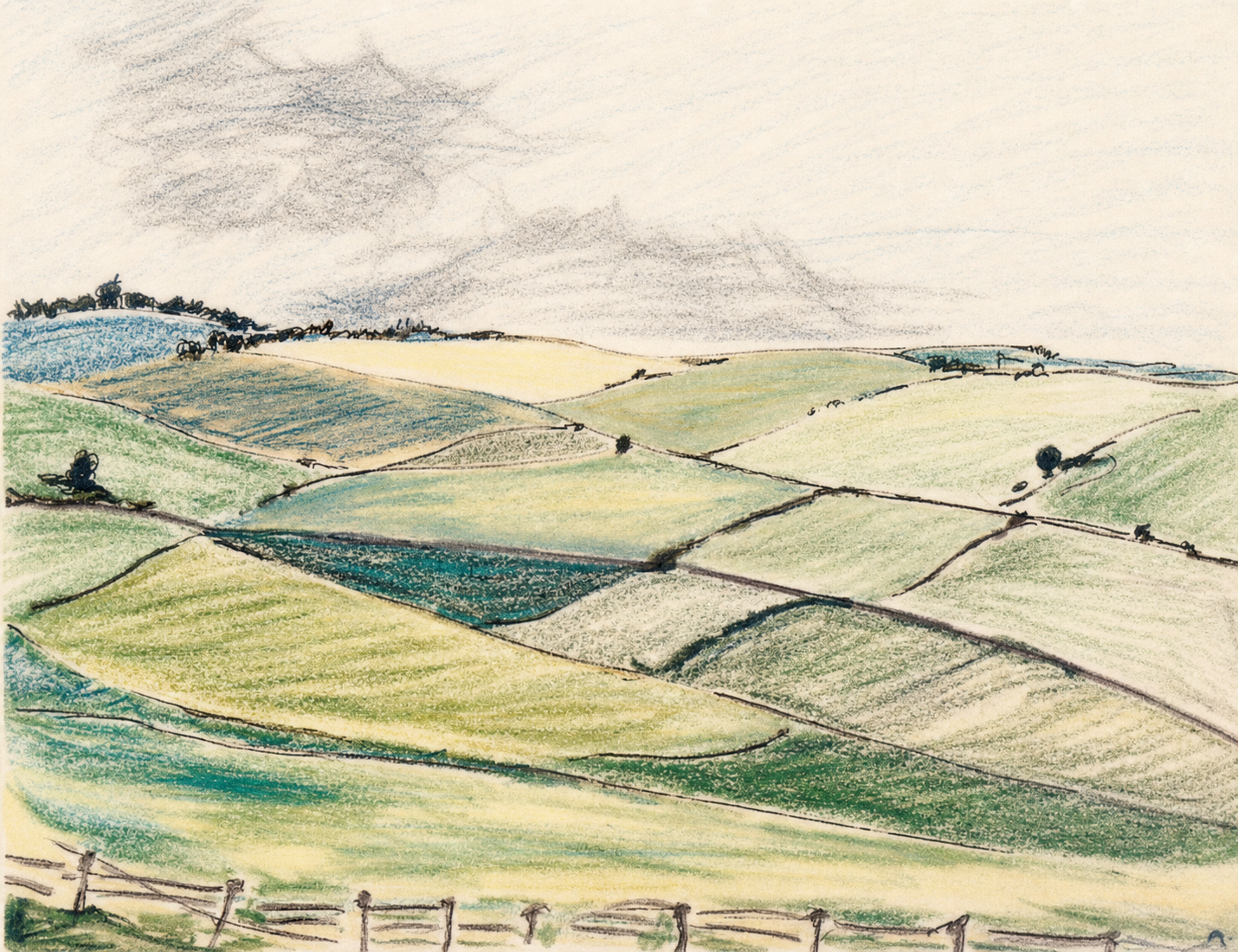
Southern England, for example, is one of the largest structures ever made by man. We think of it as nature: the beautiful expanse of towns, villages, fields, forests and moors that extends from Cornwall to Kent, and from the south coast to the Midlands. We think of it as natural, but of course it is man-made, almost all of it. It wasn't there three thousand years ago. It is a consciously created structure, perhaps 300 miles by 100 miles, and it has been created slowly, patiently, over a period of about a thousand years. The fields, ditches, copses, hedges, streets, cowpaths, streams, ponds, bridges, and villages are something which includes nature, which has the same life that we attribute to nature. But it was made by man.
This active creation of a non-natural structure which clearly has life, and which is alive, is very much more than merely preserving nature. It is much harder, to begin with, because it has to be invented; it is not a case of merely smiling at nature and saying, "Let's keep it that way." The fact that it is even possible poses enormous intellectual difficulties. In order to understand it, grasp it mentally, and to do it, we must have a conception of things in which the relation between living tissue, in the narrow biological sense, and non-living matter (again, non-living in the narrow biological sense), can be made clear and understood. We must not only want the bush to be alive with respect to birds, earth, rain, and so on, but we must also understand how the piece of wood in the windowsill, the piece of concrete in the edge of the flower bed fit into this pattern of life and complete it. Thus we are after one pattern of life, which includes the so-called living organisms and the so-called dead matter in a single living system. It is a case of understanding the interaction of man and nature, and making a harmony out of that interaction, which has the beauty of nature and the zest of life. The making of such a structure has been done repeatedly in different cultures during different ages: the Japanese house and garden, the terraced hillsides in
China and the Himalayas, the building of Machu Picchu, the creation of the medieval landscape, the relation of the Cheyenne Indians to the plains where they placed their tepees.
These cases are excellent models for us as we struggle both with ecological catastrophes and a man-made world which is ugly, aggressive, and non-life-supporting.
2 / The Need for a Broader and More Adequate Definition of Life
So far we do not have a definition of life which clearly applies to these larger and more complex systems. In the 20th-century scientific conception, what we meant by life was defined chiefly by the life of an individual organism. We consider as an organism any carbon-oxygenhydrogen-nitrogen system which is capable of reproducing itself, healing itself, and remaining stable for some particular lifetime. This definition is not so easy to pin down perfectly. There are plenty of uncomfortable boundary problems: For example, is a fertilized egg alive during its first few minutes? Is a virus alive? Is a forest alive (as a whole, and over and above the life of the component species taken as individuals)? Are carbon, hydrogen, oxygen, nitrogen necessary to what we shall define as life?
Even though riddled with logical holes and awkward questions, still in broad terms it is the life of the individual organism which gives us the basis of what we consider alive, and what we define as "life," in the late 20th century. We have, it is true, begun some extrapolations of this idea of life, and have started trying to apply them to more complex systems. For example, we have somehow managed to extend the mechanical concept of life to cover ecological systems (even though strictly speaking an ecological system is not alive, because it does not meet the definition of a self-replicating organism). We consider an ecological system as a system of organisms, and therefore, though not alive itself, certainly associated with biological life. The task of creating or conserving the natural world can therefore be understood, in precise terms, as an effort to increase the organic life in a particular part of the world, and this has partially reasonable scientific meaning.
But this extrapolation will not do to help us understand truly complex systems as living things. The mixture of natural and man-made which exists in any city or any building -- or in the huge 300-mile-long structure of southern England -- raises complicated questions of definition, which we have hardly begun to answer. In all these cases we have obviously non-living systems mixed in with the living systems: for example, the rafters of a house, the roof tiles, the road, the bridge, the gate; even the furrows in the field. In normal scientific parlance, one could not possibly call these things alive. And yet clearly they do have a vital role in the overall life of the larger systems. If we adhere to the purely mechanistic picture of life, we are stuck with preservationist adherence to ecological nature in its purest form -- just as ecological purists have in fact been stuck with the idea that they must keep nature "as it is," because this is the only way they can define clearly what they want to do. The moment we want to treat the more complex system of buildings and nature together, as one living system, we run into intellectual problems because we no longer have an adequate scientific definition of what we are trying to do. For example, according to present-day biological terminology, a city is not a living system, even though it is often referred to as a living system by social scientists in search of a metaphor. Obviously, too, a building is not a living system. How can we try to make a living system out of a region, or a city, or a build-
ing -- even out of a garden -- when, according to current scientific orthodoxy, these things are not living systems?
Throughout this book, I shall be looking for a broad conception of life, in which each thing -- regardless of what it is -- has some degree of life.? Each stone, rafter, and piece of concrete has some degree of life. The particular degree of life which occurs in organisms will then be seen as merely a special case of a broader conception of life. Although this may sound absurd to ears trained in the last few decades of scientific orthodoxy, I shall try to show that this conception is more profound scientifically, that it has a solid basis in mathematical and physical understanding of space, and above all that it does provide us with a single coherent conception of the world, and of what we are doing in the world, when we try to make the world "alive."
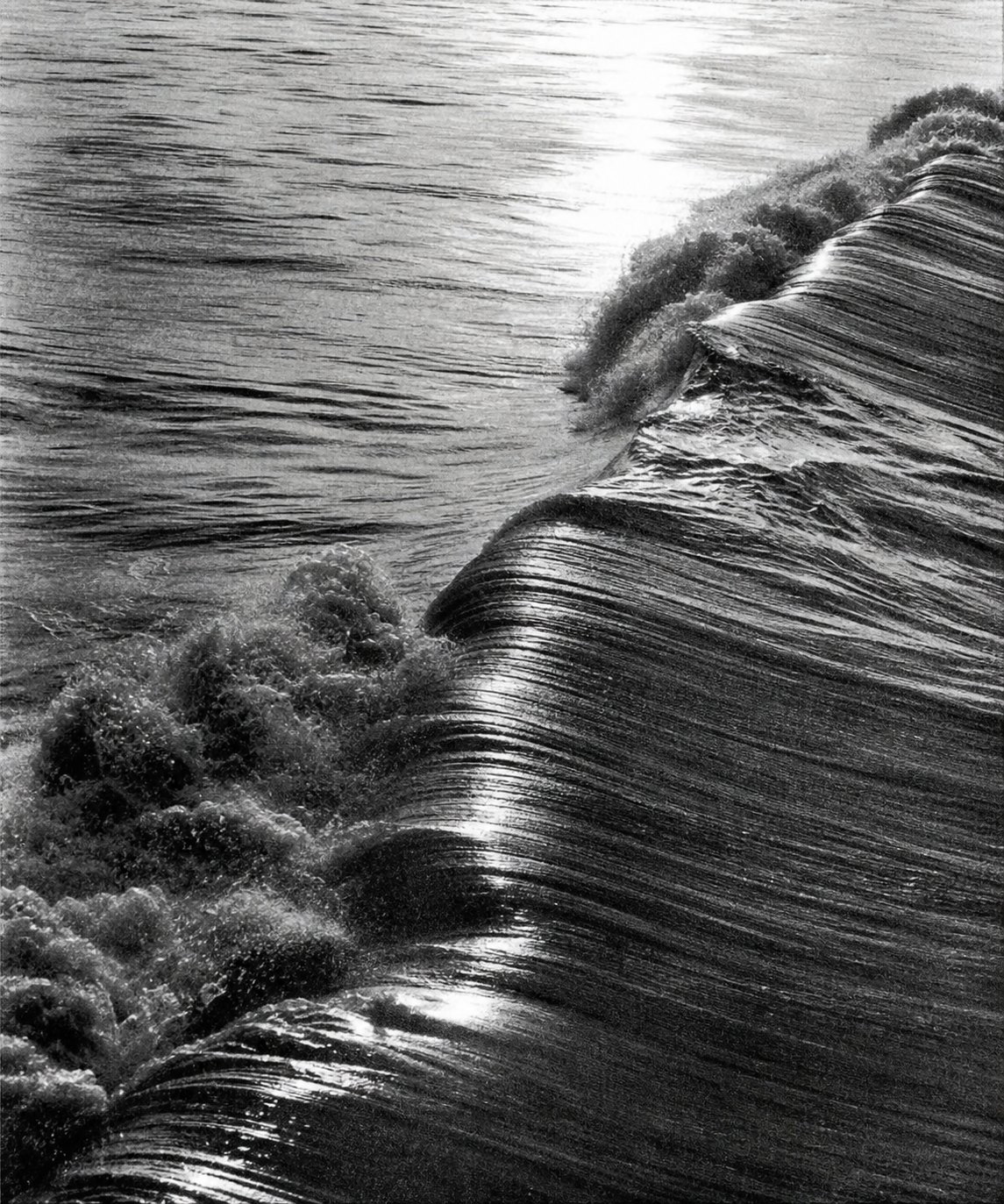
In the present scientific world-view, a scientist would not be willing to consider a wave breaking on the shore as a living system. If I say to her that this breaking wave does have some life, the biologist will admonish me and say, "I suppose you mean that the wave contains many micro-organisms, and perhaps a couple of crabs, and that therefore it is a living system." But that is not what I mean at all. What I mean is that the wave itself -- the system which in present-day science we have considered as a purely mechanical hydrodynamical system of moving water -- has some degree of life. And what I mean, in general, is that every single part of the matter-space continuum has life in some degree, with some parts having very much less, and others having very much more.
It is not hard to see that such a conception -- if we could get it -- would make it much
easier to design buildings, towns, and regions. If the conception of life is completely general, we shall then be able to extend it from the purely natural (such as conservation of a beautiful stand of trees), to the cooperation between natural and man-made (roads, streets, gardens, fields), and then also to the buildings themselves (roofs, walls, windows, rooms). In such a mental world, it will become easy to make sense of architecture -- because we can then simply proceed with the general idea that all our work has to do with the creation of life and that the task, in any particular project, is to make the building come to life as much as possible.
3 / A New Concept of "Life"
My aim in this book is to create a scientific view of the world in which this concept -- the idea that everything has its degree of life -- is well-defined.' We can then ask very precise questions about what must be done to create life in the world -- whether in a single room, even in a doorknob, or in a neighborhood, or in a vast region, where, as the English people of southern England did once long ago, we might again create life in large parts of California, or Asia, or indeed in any region of the world.
As a background for our work, I shall in this first chapter simply try to persuade you, by example, that we do feel that there are different degrees of life in things -- and that this feeling is rather strongly shared by almost everyone.
Let us first consider the breaking wave. When we see waves in the sea, we do certainly feel that they have a kind of life. We feel their life as a real thing, they move us. Of course, in the narrow mechanistic view of biology there is no life in the wave (except insofar as it has seaweed or plankton living in it). But it is undeniable -- at least as far as our feeling is concerned -- that such a moving, breaking wave feels as if it has more life as a system of water than an industrial pool stinking with chemicals. So does the ripple on a tranquil pond.
It is also clear that one lake feels more alive than another -- a clear crystal mountain lake, for instance, compared with a stagnant pond which feels more dead. A fire, which is not organically alive, feels alive. And a blazing bonfire may feel more alive than a smoldering ember. The moons of Jupiter, if you have ever seen them through a telescope, feel alive, like four liquid droplets of light. They feel alive to an uncanny degree. Yet, in conventional terms they are not.
Gold feels alive. The peculiar yellow color of naturally occurring gold, so different from pyrites, or from the gold in the jeweller's shop, has an eerie magic essence that feels alive. This is not because of its monetary value. It got its monetary value originally because it had this profound feeling attached to it. Naturally occurring platinum, comparable in value, or rhodium, which is far more valuable, do not have the same feeling of life at all.
Marble, too, sometimes feels alive. The quarries at Carrara, in Italy, are famous because the marble from that place feels intensely alive. Another marble may feel more ornate but less alive. Artificial marble -- polymerized stone dust -- as it might appear in a bathroom counter in Las Vegas, feels much less alive. Yet none of the three is actually alive, biologically.
We often see a piece of wood and marvel at its life, another piece of wood feels more dead. Of course, you may say that the wood was once alive. But again, in the exact biological sense, it is certainly not alive now. Yet we do feel that the grain of one piece has more life than another.
Thus, throughout the world of non-organic physical systems, we make distinctions. We recognize cases which seem to have a great deal of life, others which seem to have none, others in between. The intuition, or impression, of life exists in a wide variety of physical systems.
We shall see later that this feeling that there is more life in one case than the other is correlated with a structural difference in the things themselves -- a difference which can be made precise, and measured. But for now, I merely want to record the intuition that some different physical systems appear to have more feeling of
life and others less feeling of life. Obviously this does not prove that this intuition is anything more than a subjective perception. But it does at least open the door a crack, to the possibility that there might be some kind of real structural phenomenon behind the feeling. All I hope to do, so far, is to encourage the reader to begin thinking that this might not be merely a metaphor, or an anthropocentric view.
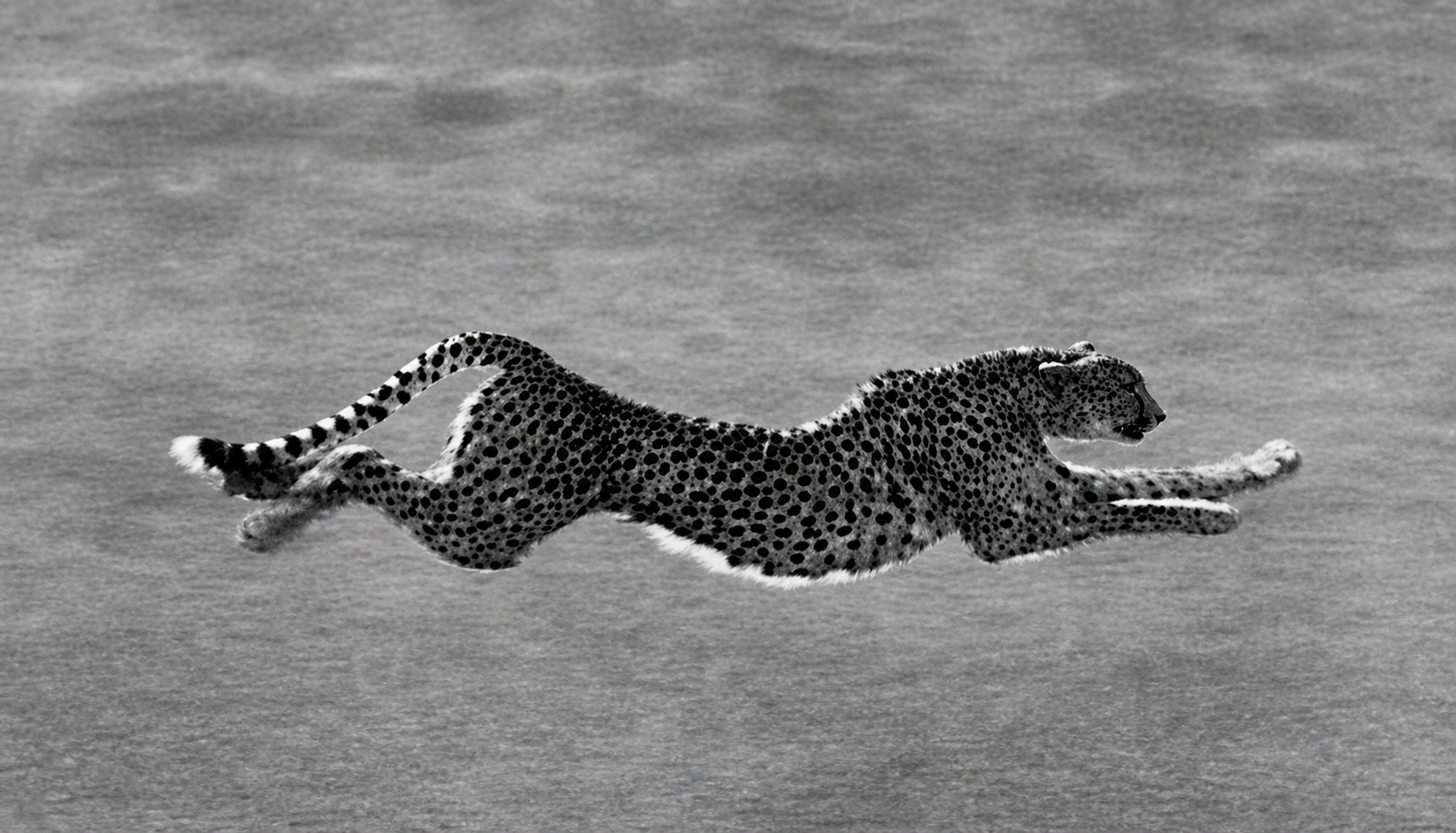
When we compare different organisms we feel that some things have more life than others -- even though, technically, they all have equal degrees of life. Here is a picture of a leaping cheetah. We do not need to be reminded that this animal is alive. This cheetah feels intensely alive, not just alive.
The same can happen in a meadow of flowers. Sometimes the flowers themselves have a poignancy -- a lily of the valley in a misty meadow -- and radiate an intense life.
We may feel the same in a person. One person may be glowing with life, which transmits to everyone around. Another person is drooping, half dead. We experience the sensation that one is more alive, and feel degrees of life in different people -- even in the same person at different moments. And there are, of course, cases where a person's actual health is different. One is radiantly healthy, another less so. In this case, there may be a medical counterpart to this sensation of more life. But in any case, what is undeniable is that different organisms, all alive in the strictly mechanical sense, impress us as having more life or less life.
5 / THE FEELING OF
Let us go next to our most widespread experience of life -- the larger life that exists in nature all around us. This is the larger "ecological" life which occurs in every natural ecosystem. It includes the well-being of a vast array of natural organisms -- plants, animals, parasites, fish -- which occur in and around a building. Fish-ponds, climbing
flowers, grass, mosses on the building, shade trees in the courtyards, cats, dogs, mice, insects, and spiders. In all these cases we feel the life intensely. Indeed, it is this feeling of life and love of nature which stimulated the young discipline of ecology.
On the following pages, there are two forest scenes. We see a wild profusion of organisms.
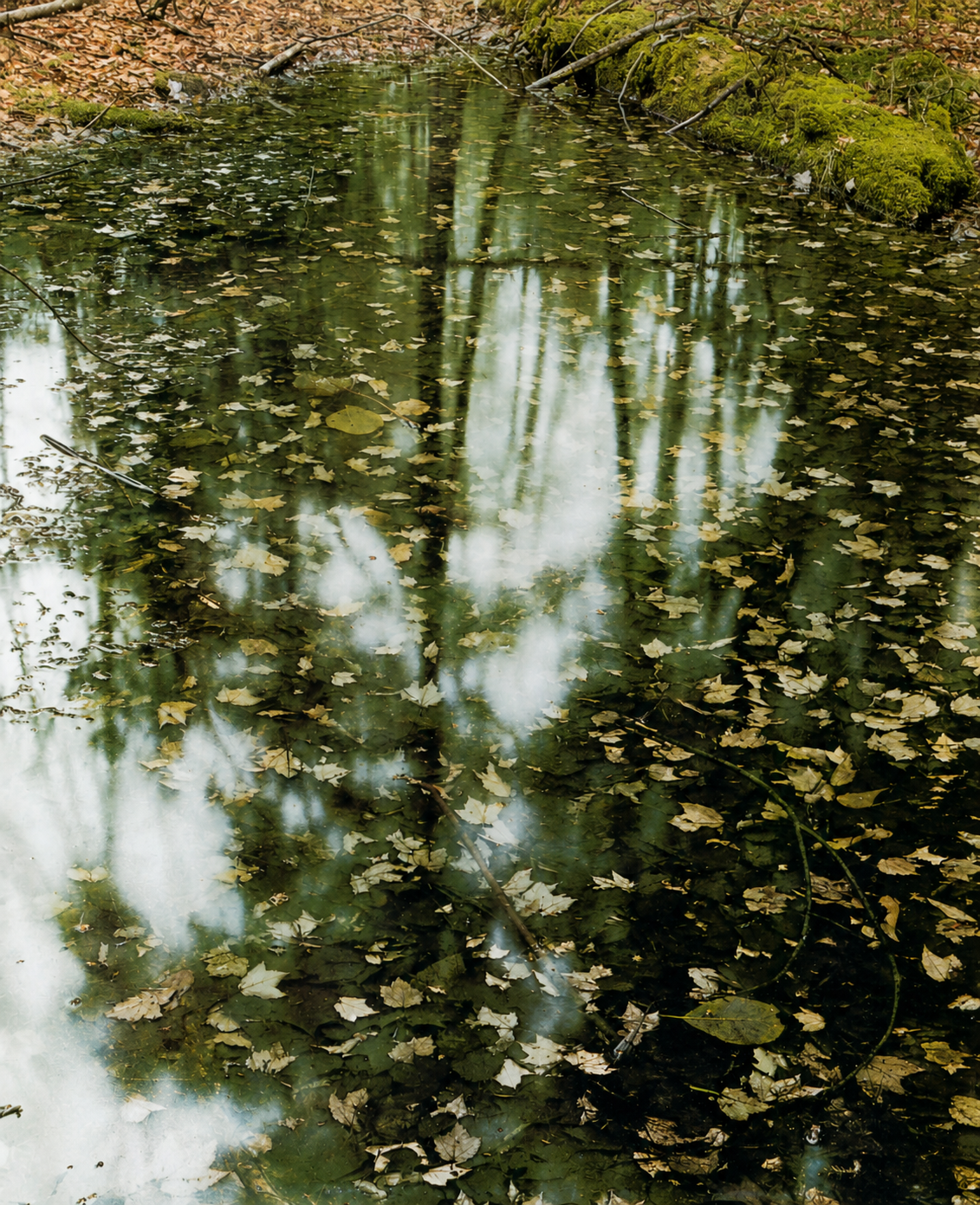
Their life is the familiar life we recognize in nature, in plants and animals, and in ourselves. Yet, as I have said earlier, there is no simple definition of life in an ecological system. Within the narrow biological definition of a living system as an organism, an ecological system as a whole is not alive. But in any case, we still experience its life. And we recognize degrees of life, or degrees of health, in different ecological systems. In recent years, we have begun to formulate technical descriptions of these ecologies which allow us to distinguish one as healthier than another.
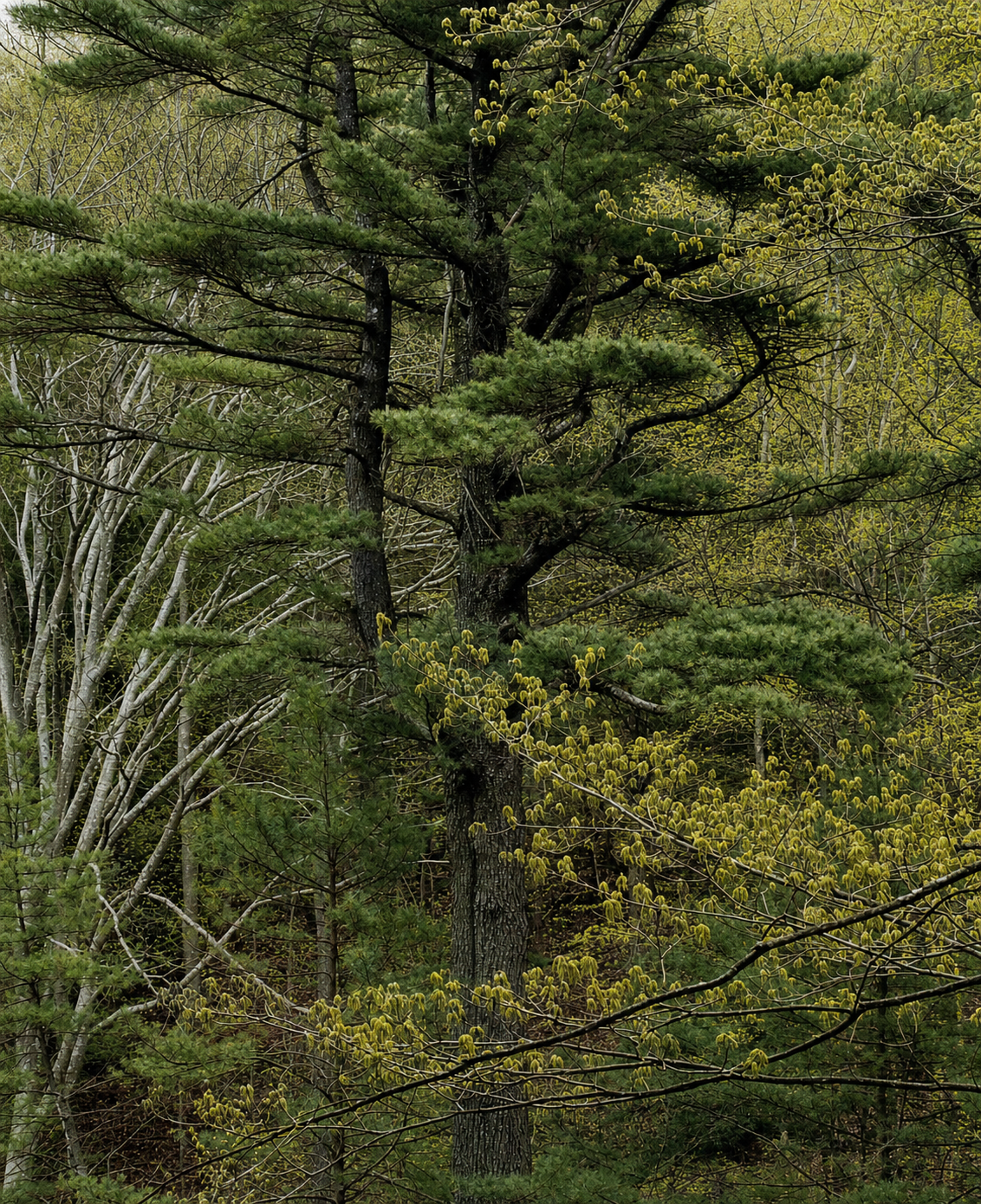
In any case, beyond the gradual emergence of precise formulations in ecology, we do have the feeling that one meadow is more alive than another, one stream more alive than another, one forest more tranquil, more vigorous, more alive, than another dying forest.
Here again -- almost regardless of what ecologists have managed, or not managed, to formulate -- we experience degree of life as an essential concept which goes to the heart of our feelings about the natural world, and which nourishes us fundamentally, as a fact about the world.
6 / Life in Ordinary Human Events
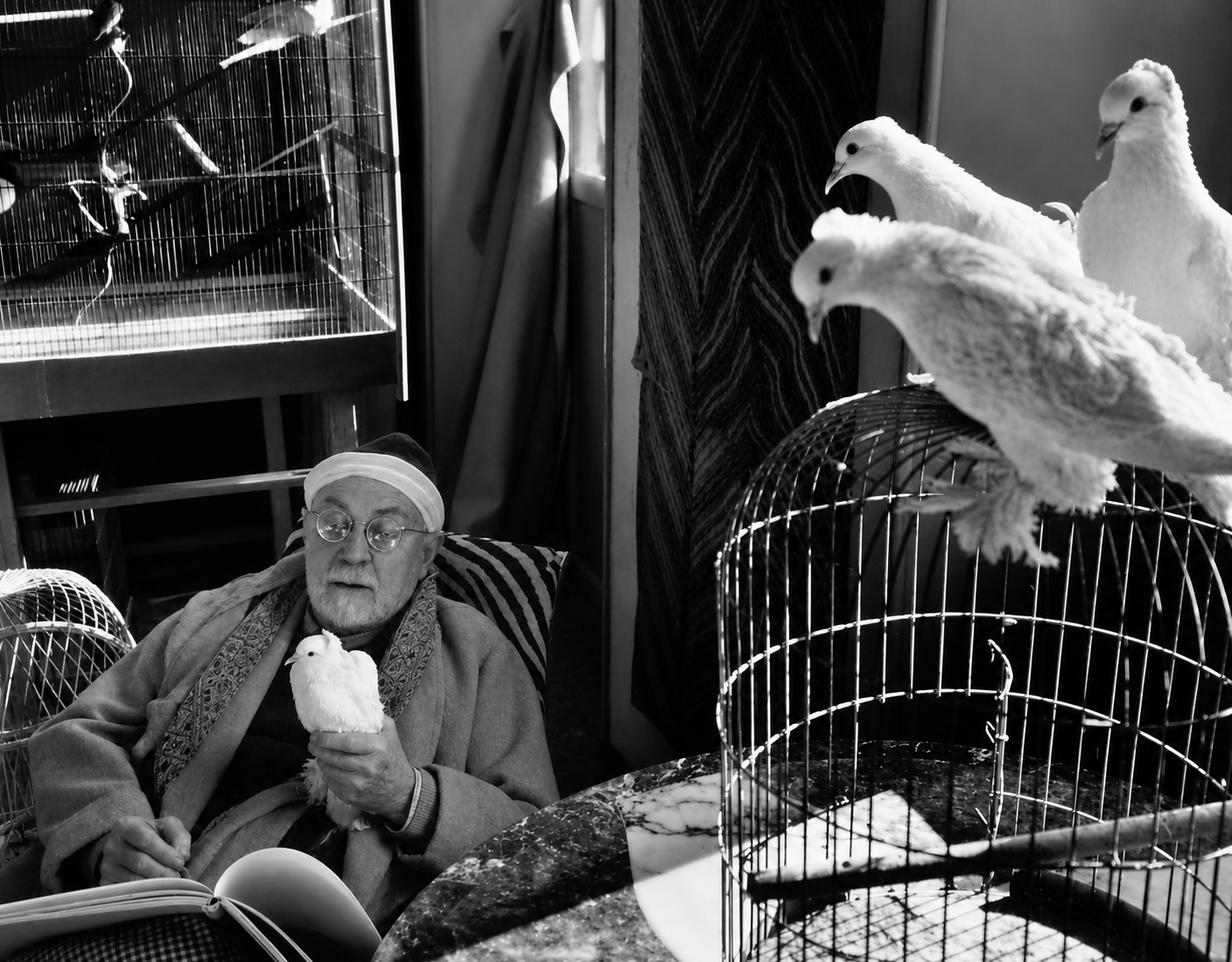
We certainly feel different degrees of life in different human events. Consider first almost any social act. Look at the simple act of shaking hands. In one case it feels full of life; in another case, mechanical, dead.
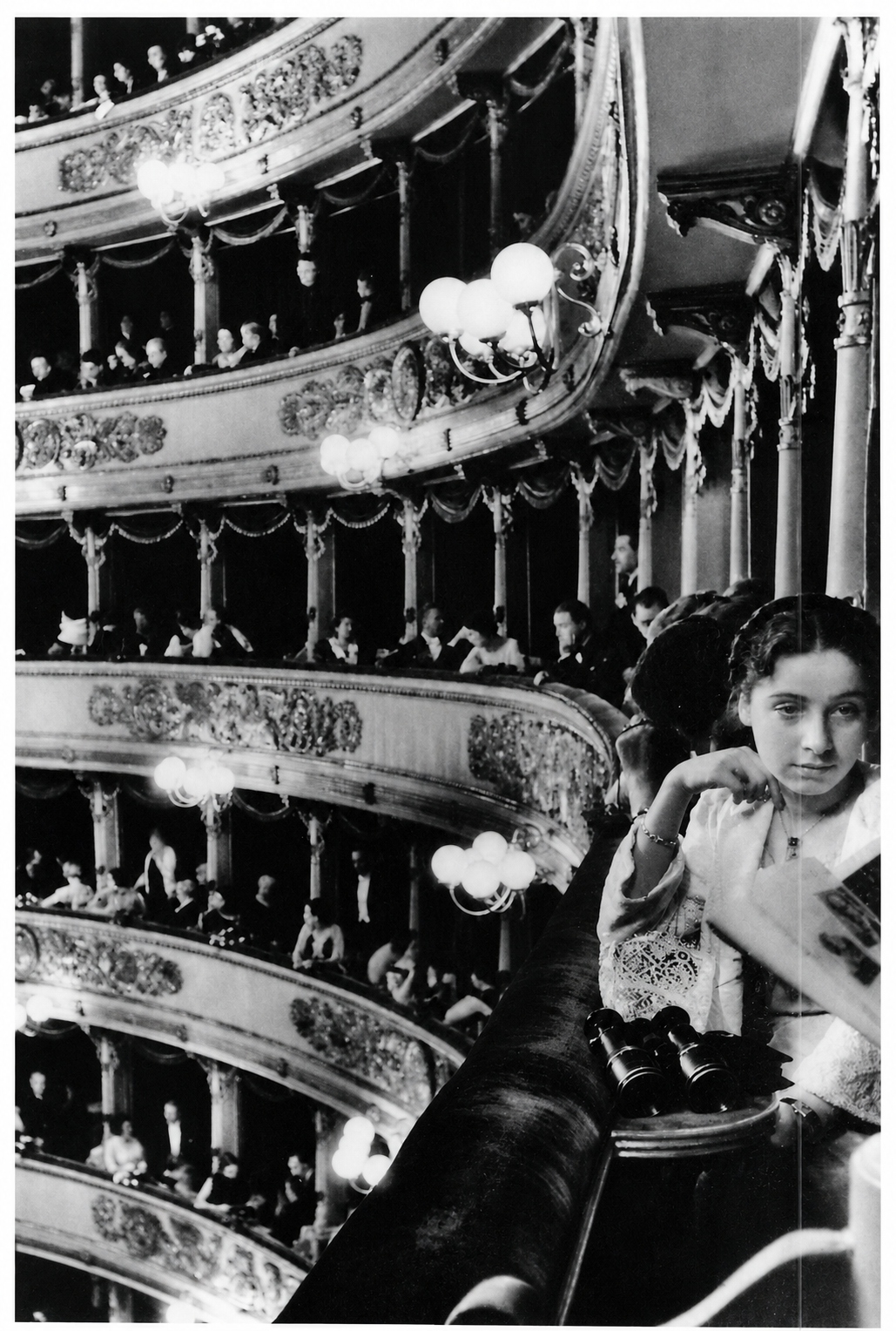
Look at your favorite bar: a place which comes to life at night, where some special life exists, seedy, raucous. The bar. The night club. A fish-pond there. A garden seat. Shaking hands. A night at the ballet.
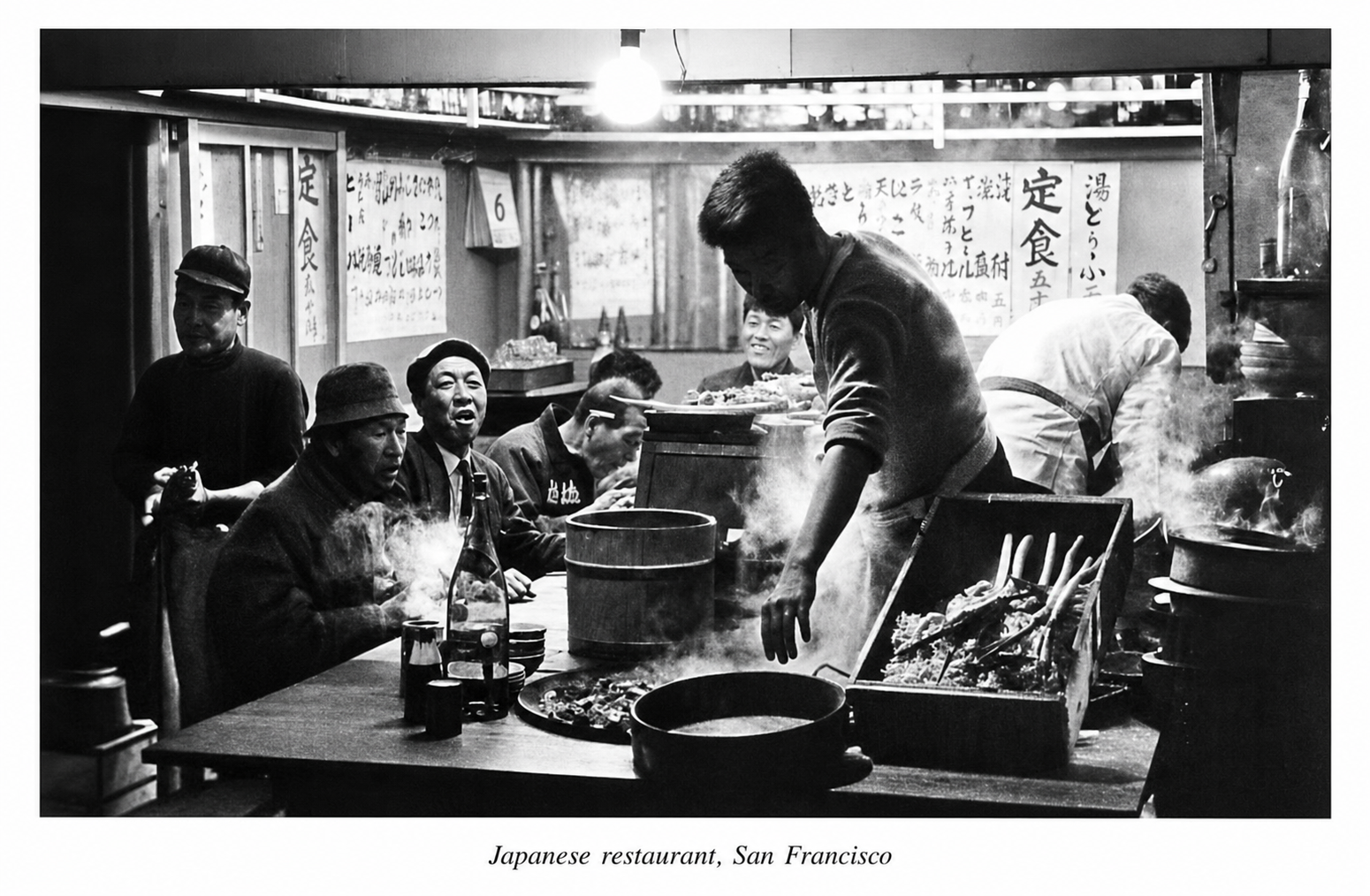
The "life" which I am talking about also includes the living essence of ordinary events in our everyday worlds -- the fact that a back-street Japanese restaurant has life in the ordinary sense; the fact that an Italian town square comes to life in
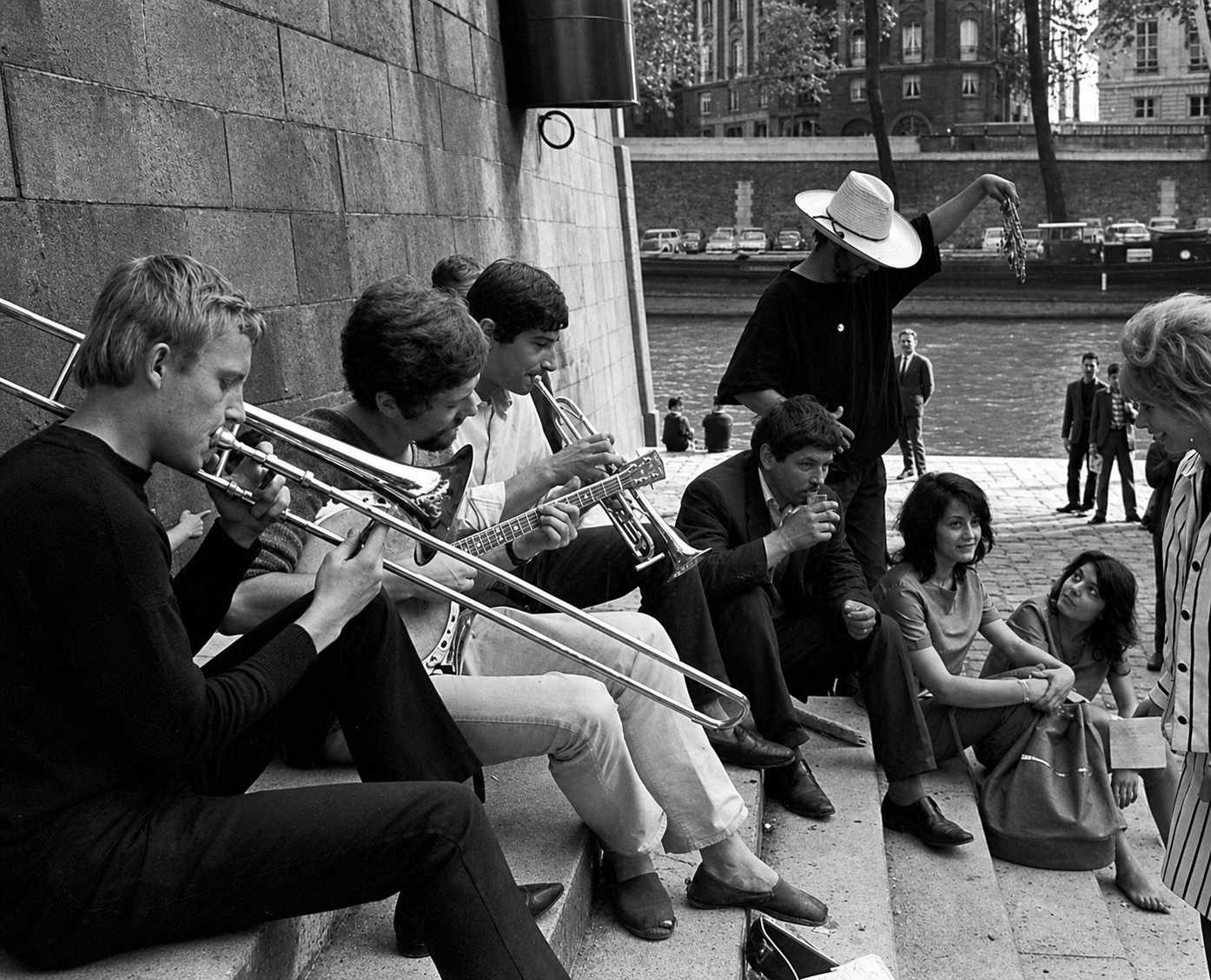
3 6 the ordinary sense; the life of an amusement park like Coney Island; the life ofa bunch of cushions thrown into a corner window-seat -- any building where we feel alive; a place where wildflowers grow comfortably; a place where people are free to talkand eatand drink and be themselves. I have described this very ordinary but intensely living quality of buildings and places in the first few chapters of THE TIMELESS WAY OF BUILDING. This quality includes an overall sense of functional liberation and free inner spirit. It makes us feel comfortable. Above all it makes us 'eel alive when we experience it. I add pictures of a few examples here, so that we have an image in mind of what this "ordinary" life is all about, both what it
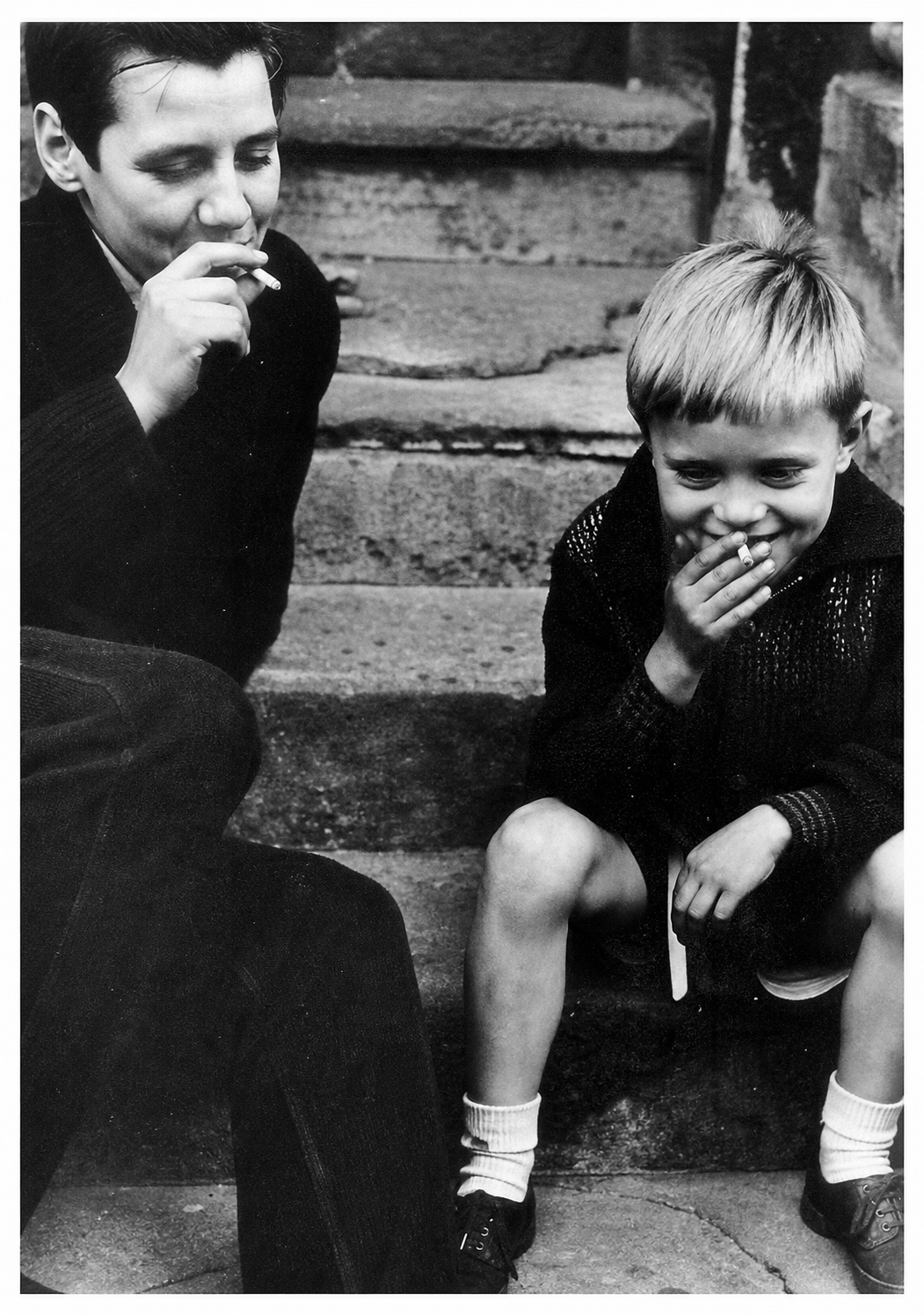
A secret smoke really means and what it looks like, as a structure, when it occurs. Like biological life, it has a typical appearance. It is rather rough, not manicured. It is comfortable, rough around the edges, smooth as ifit has been rubbed together. This kind of life is the ordinary life which is not connected to high art or fashion. It has nothing to do with images. It occurs most deeply when things are simply going well, when we are having a good time, or when we are experiencing joy or sorrow -- when we experience the real.
The freedom which arises when life is at its most spiritual, and also most ordinary, arises just when we are "drunk in God," as the Sufis say -most blithe and most unfettered. Under these circumstances, we are free of our concepts, able to react directly to the circumstance we encounter, and least constrained by affectations, concepts, and ideas. This is the central teaching of Zen and all mystical religions.' It is also the condition in which we are able to see the wholeness which exists around us, feel it directly, and respond to it. The association with bars is not entirely silly. Drunkenness, no doubt evil itself at times, also releases our ability to see the truth more clearly. The Romans said in vino veritas. When we have some loss of inhibition, our freedom to act and react is often truly increased.

7 / the Feeling of Life in Traditional Buildings
The feeling that some things live more intensely than others certainly exists in buildings, in artifacts, and in works of art. To give the reader an idea of what I mean by "the intense feeling of life" in material things, I now present a sequence of pictures which show some intense examples of this kind of life in things.
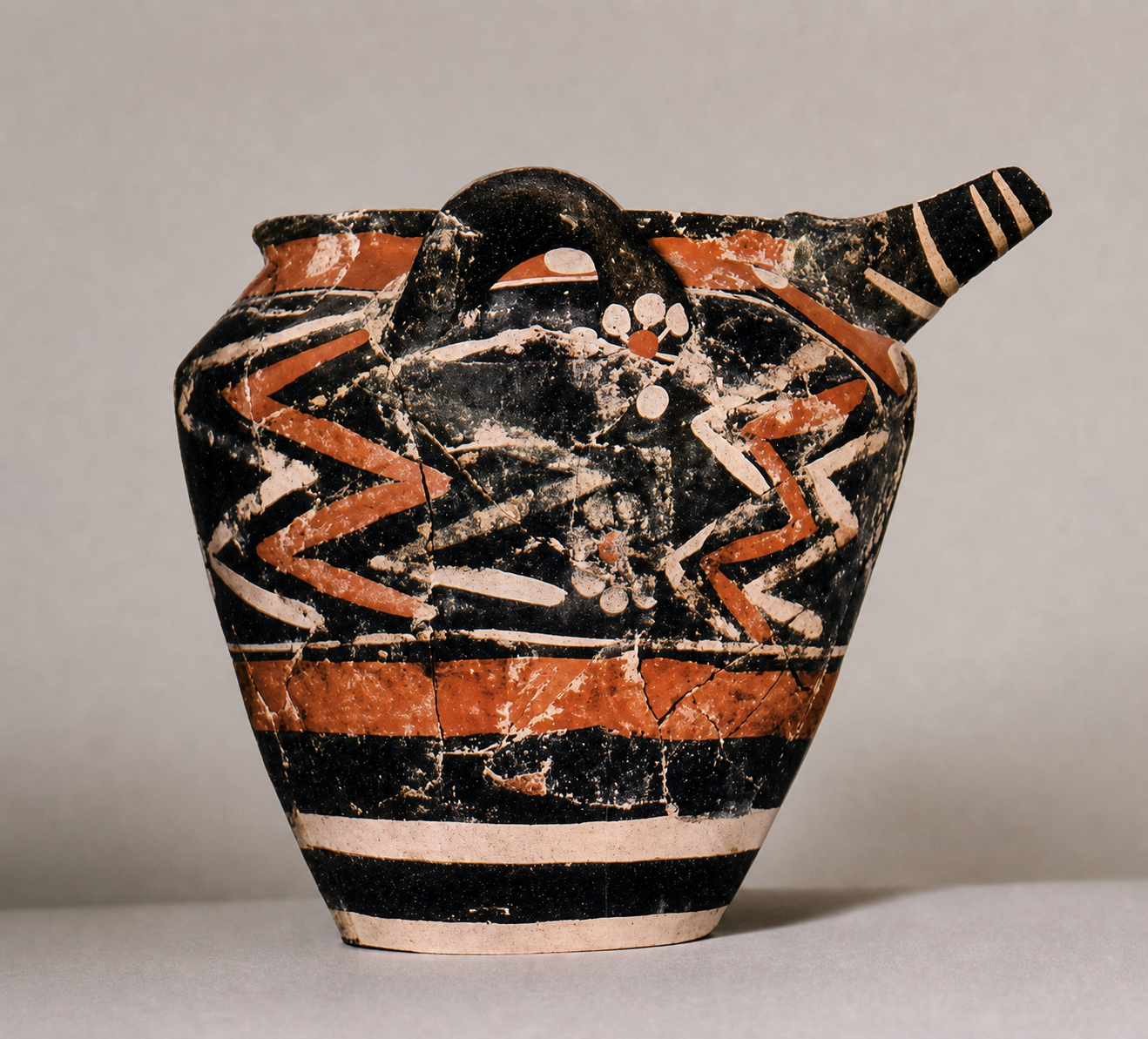
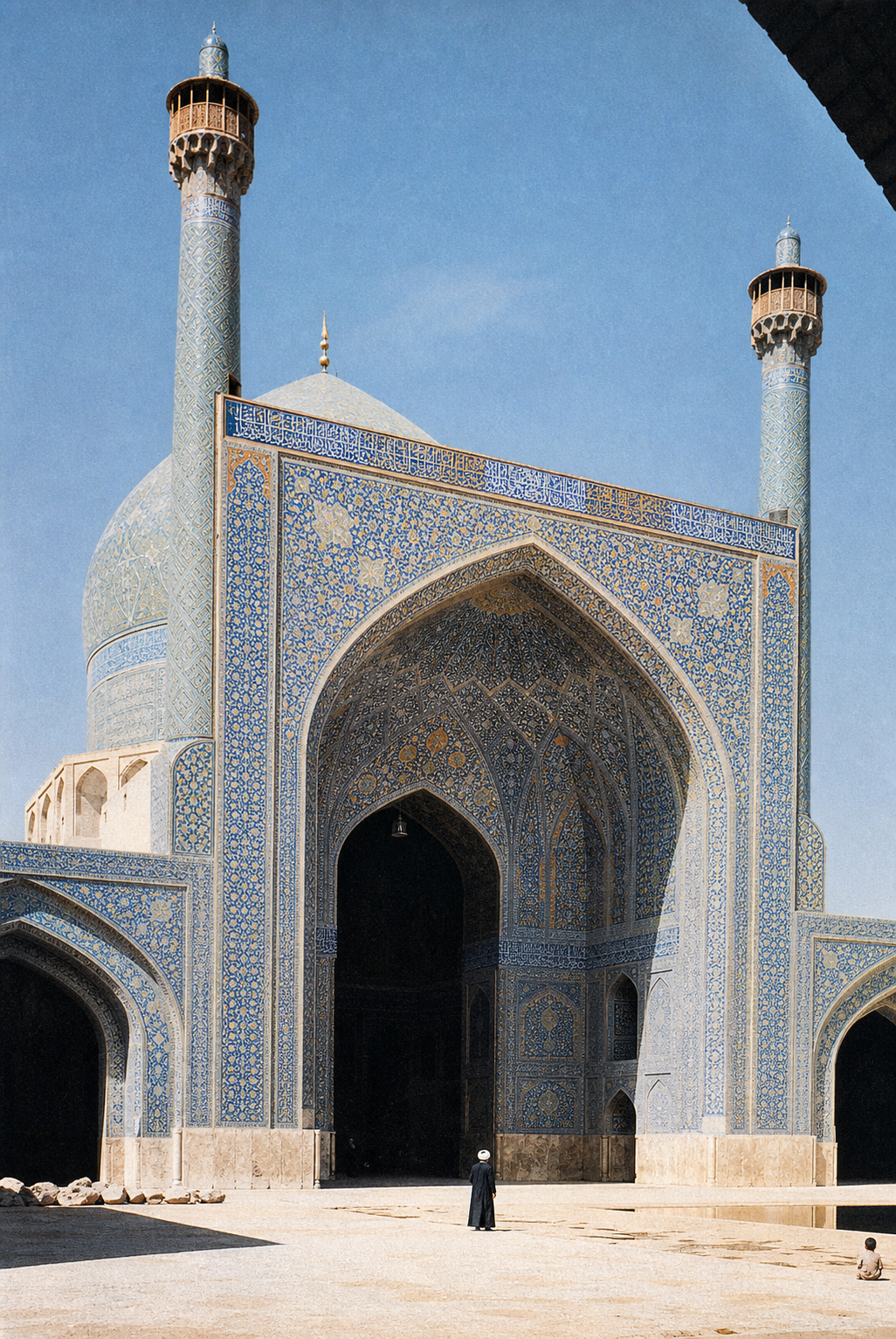
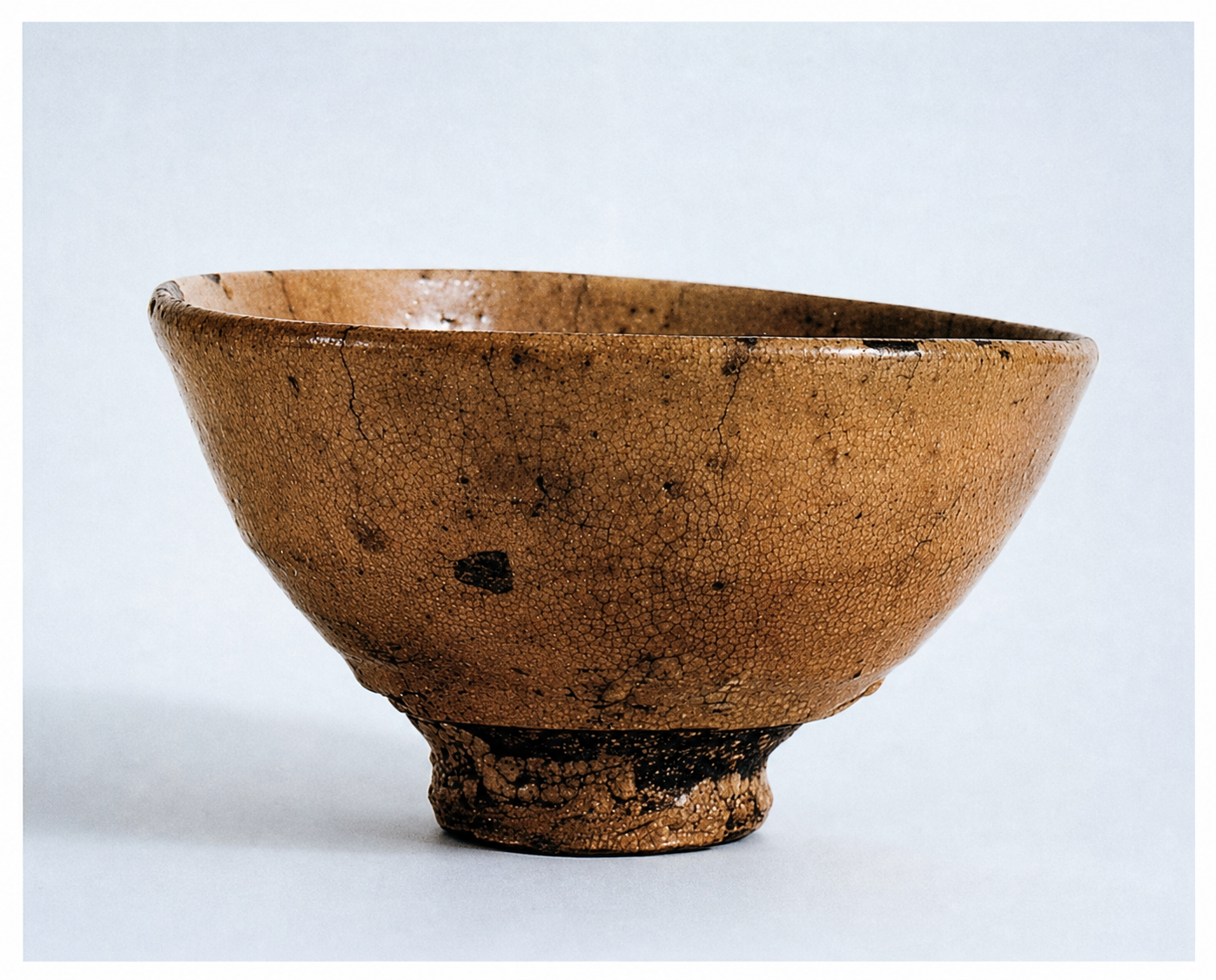
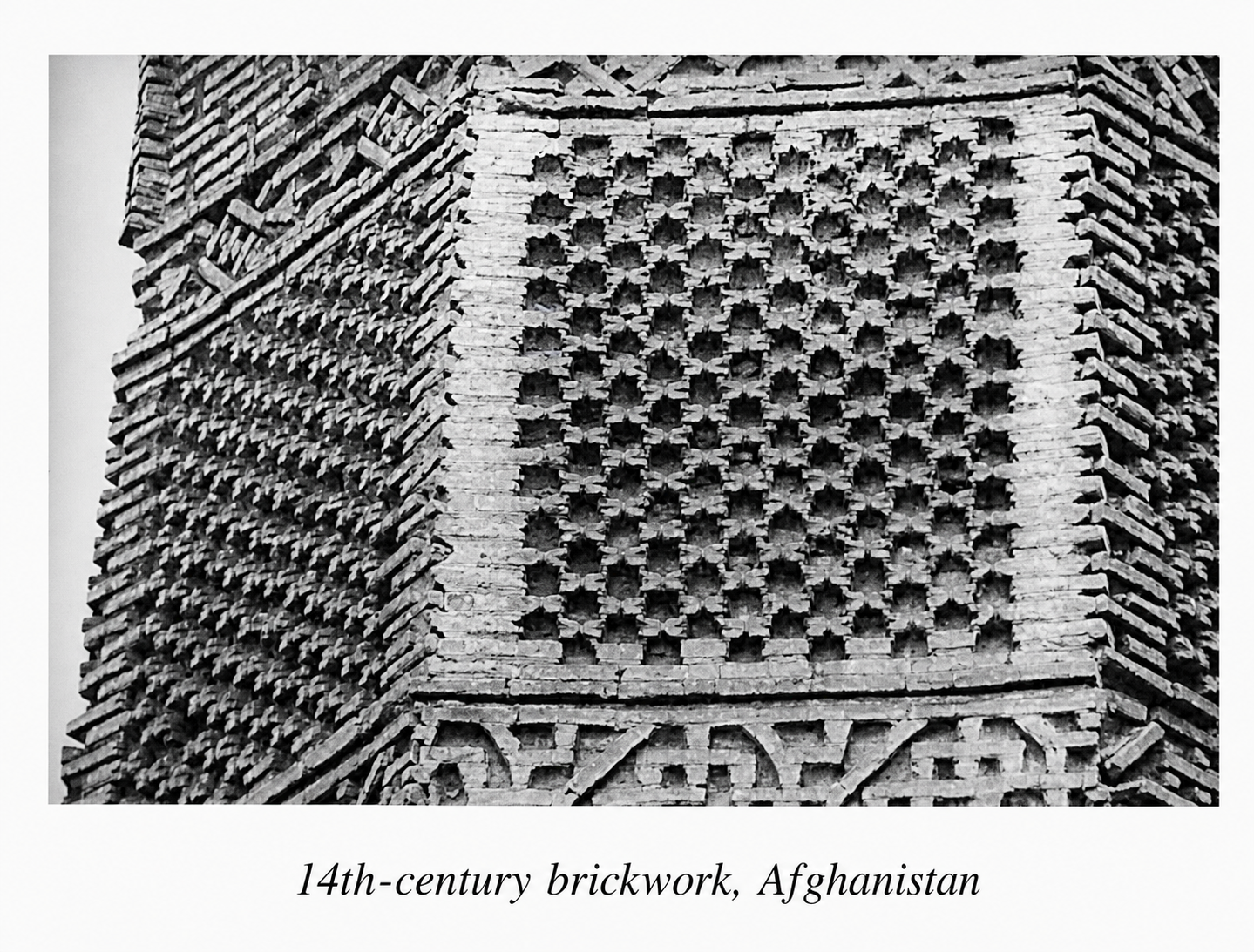
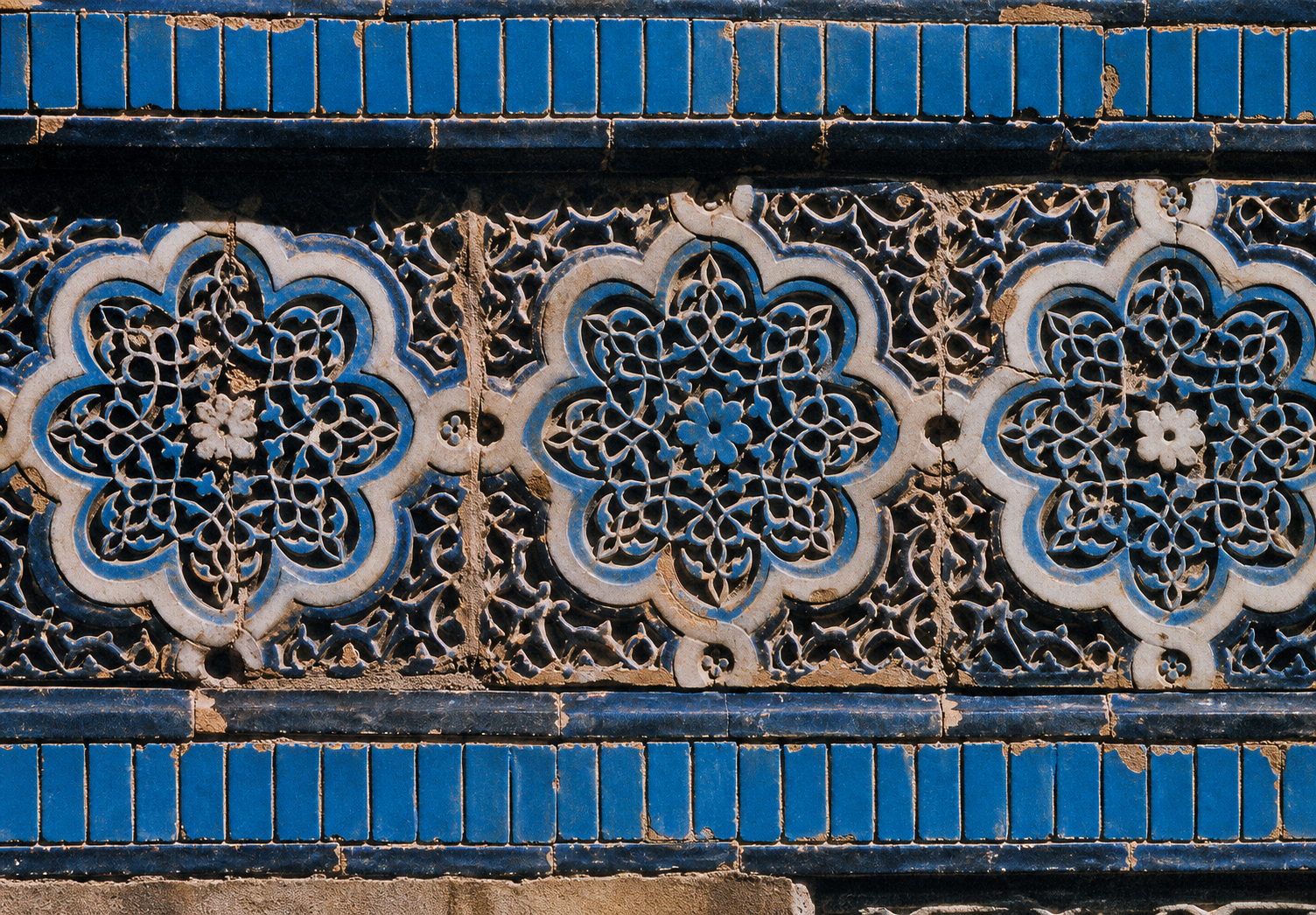
The first thing is a prehistoric Minoan vase, complex in shape and very basic, so that it hits you in the belly with its shape and with its color. The next thing, a Danish courtyard painted in yellow, red, and green, is simple and childish -- but quiet and profound. The life fills you. The great mosque in Isfahan, dazzling in its color, is more magnificent. In its size, and color, it has an awe-inspiring life, somber in its reminders but, unlike a Gothic church, bright and joyful. In contrast, a tiny Korean ceramic stand for a teapot is simple, beautifully shaped, without complication, but full in its being. Green and yellow tiles from a mosque are unconcerned, hand painted, repeating but not repeating, harmonious in their similarity, unworried in their inventiveness. A stone column capital, carved by Romanesque masons, is reused in a North African mosque. The capital is like a flower or like a person, quiet, solemn, happy. A famous Turkish prayer rug from the 15th century, now in the Berlin Museum, dazzles in the intensity of red, created by the lines, S-shapes, and by the unusual soul-like character of the prayer arch.
An archway in India: dark shadow, bright light, cool, and soul-like, the careful shaping of
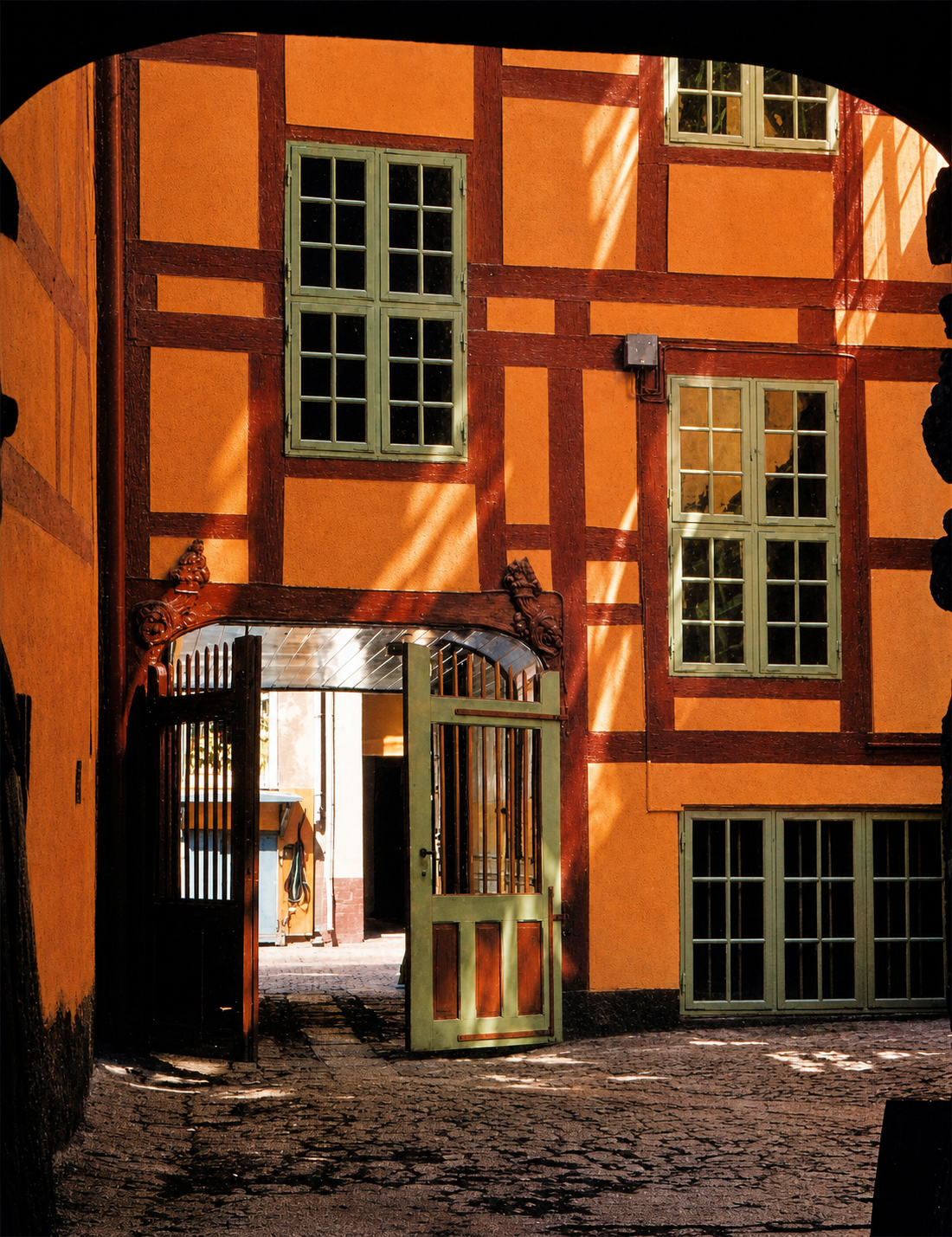
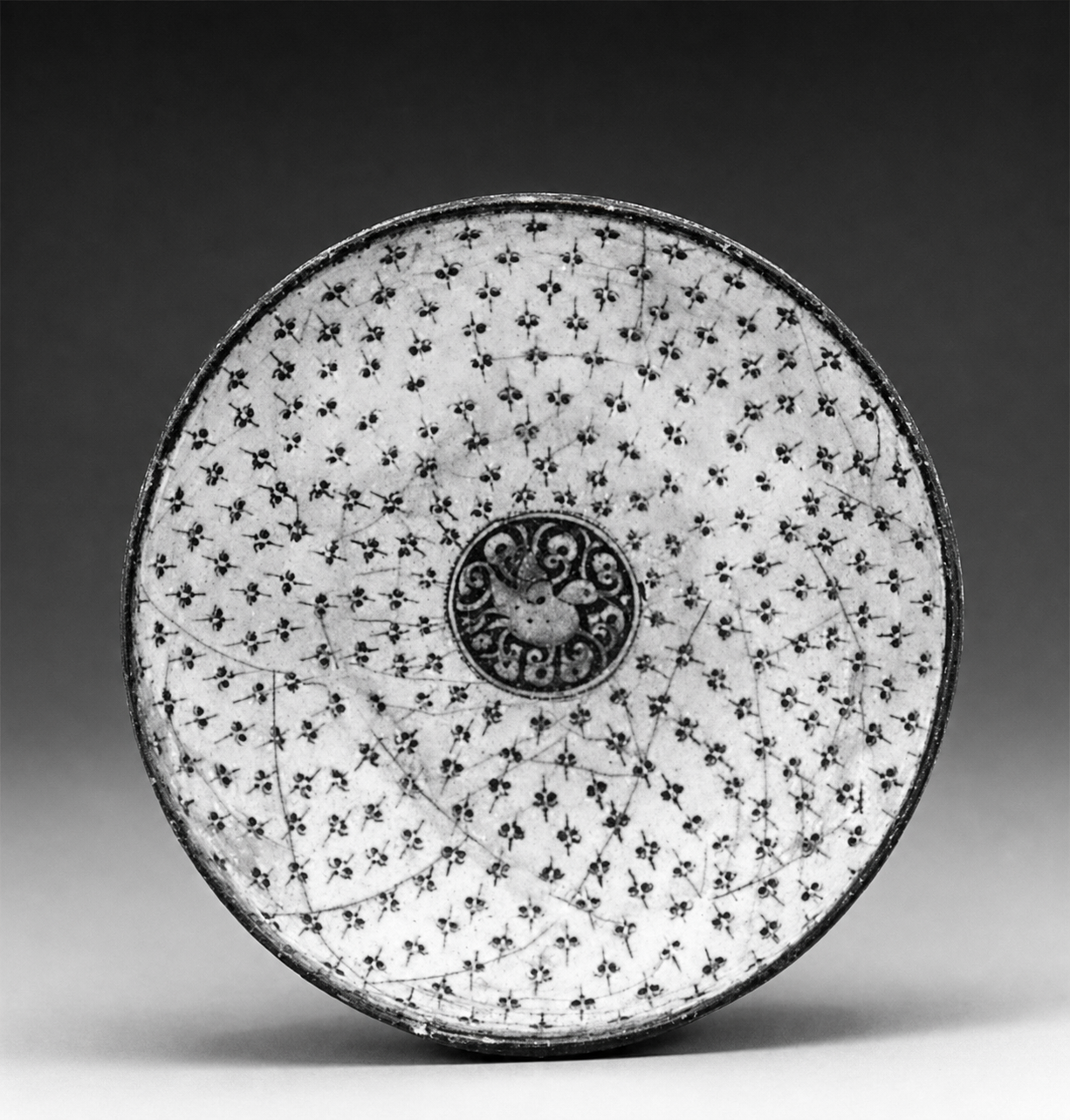
Courtyard of a house in Copenhagen the arch made so that its lobes bring life to the intense shadow and hot sunlight. A page from a gth-century manuscript is absolutely quiet, with very little color, yet the color shines because of the skill with which the painter used it. A little yellow and brown on white produces an eerie inner light. Extreme feeling appears in a small hand-carved and painted madonna. It is small and unpretentious, yet more intense in its feeling than perhaps all the paintings of the Renaissance. The surface of a Persian bowl is brought to life by small black fly shapes, apparently painted as fast as the painter's hand could move over the surface of the inside. Another
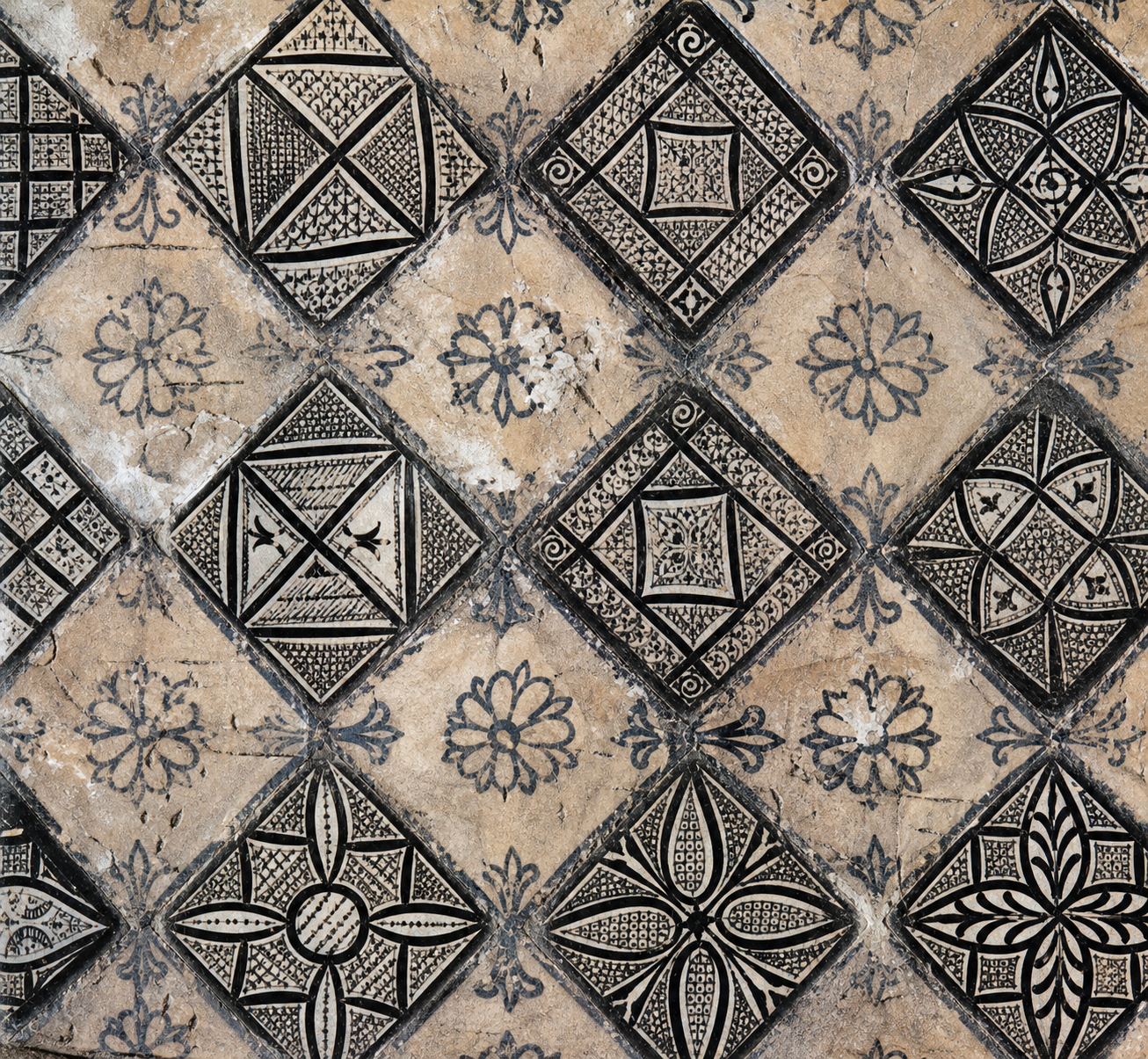
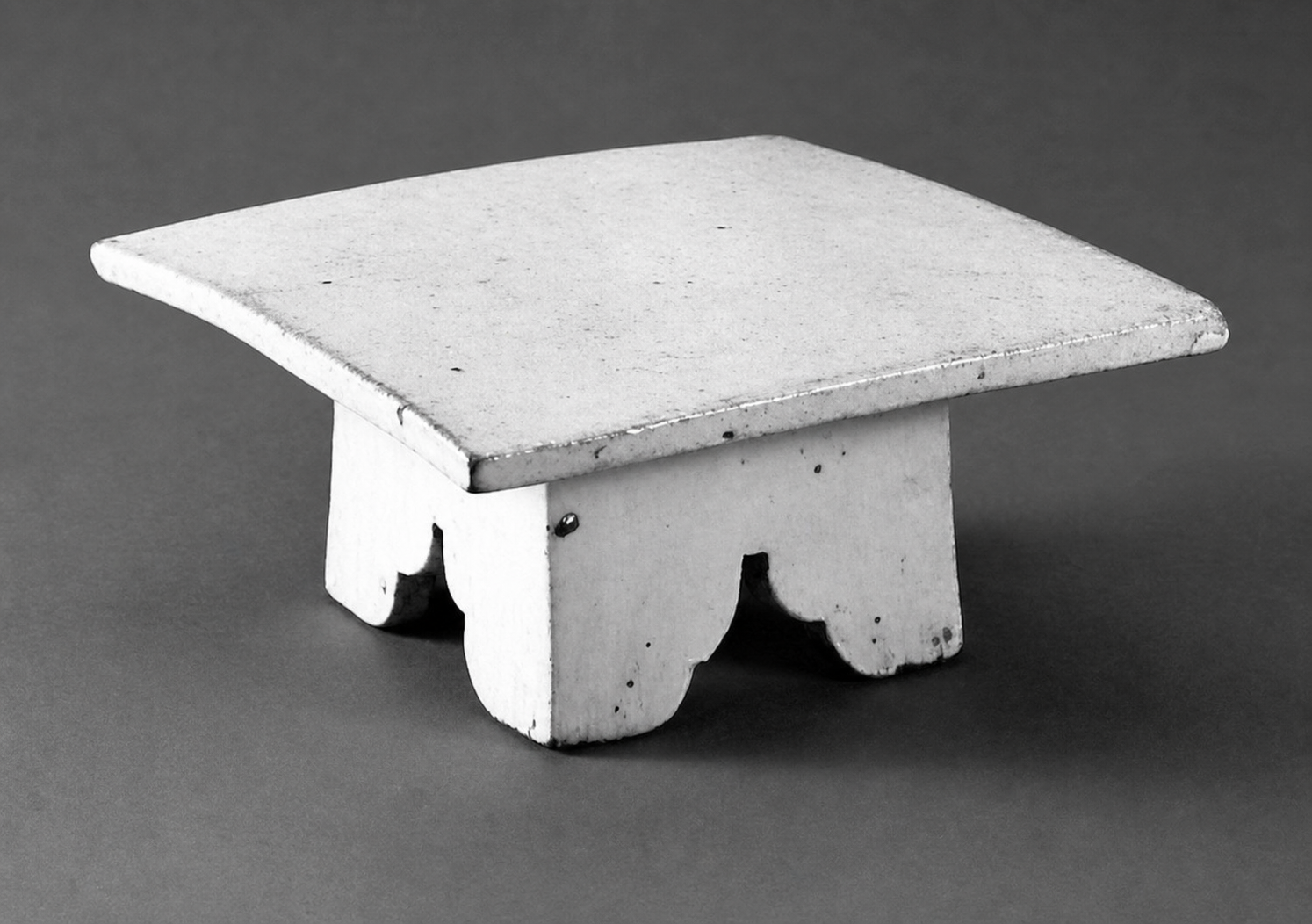
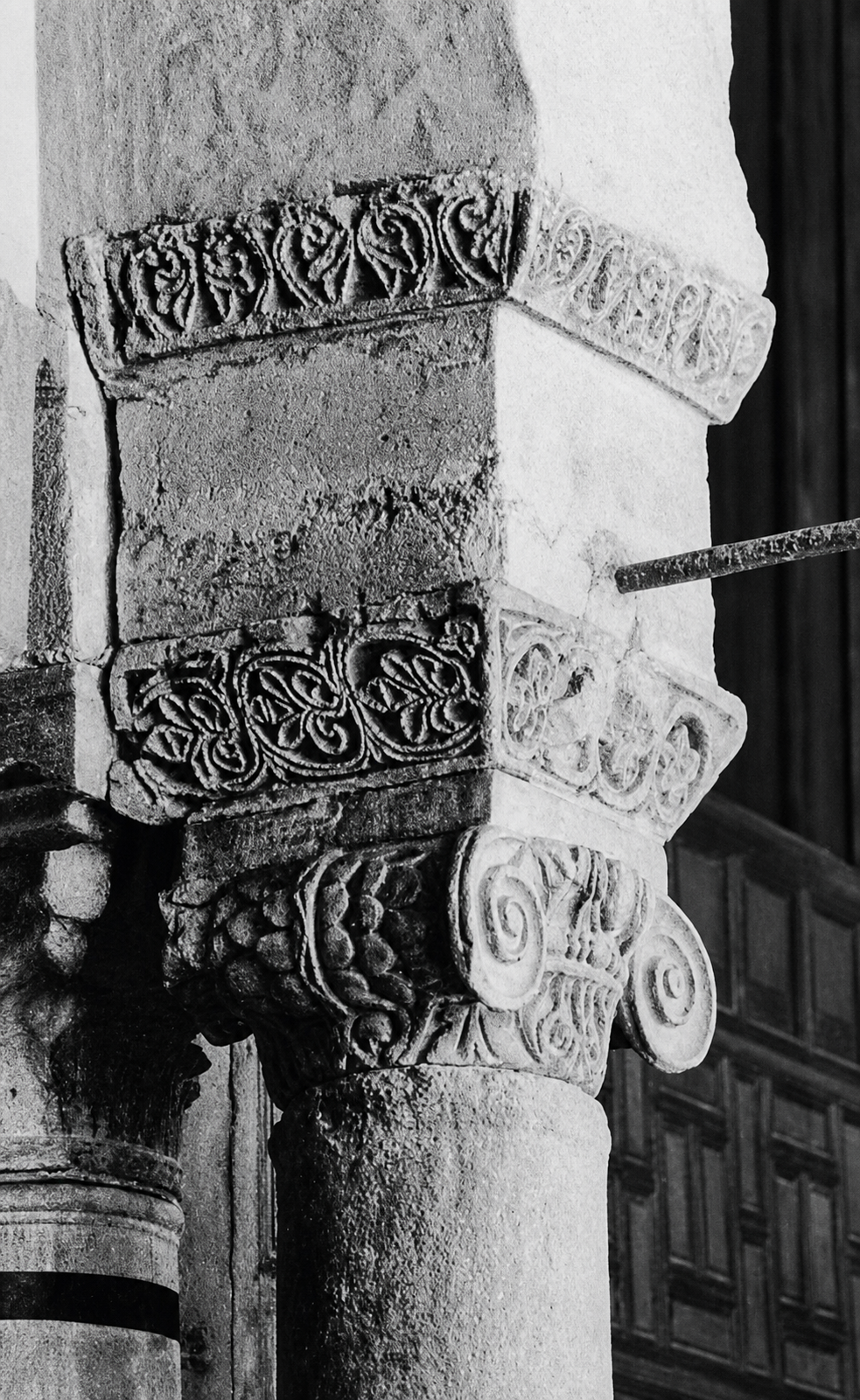
In every one of these examples we experience an intense feeling of life." We experience it in the objects themselves and in their parts. And, in keeping with the idea of order, the life we experience seems very much to lie in the geometry, in the actual geometrical arrangement of the thing.
Although we may not be able to define it exactly, I suspect that many people will agree that they see something like life in all these examples. I do not expect that we shall have perfect agreement about the examples. Still, we probably have something close to agreement.
Similarly, if we ask people for a list of the "great" buildings of the world, certain buildings will probably be mentioned: the Parthenon,
Notre Dame or Chartres, the great mosque at Isfahan, perhaps the Alhambra, perhaps the Ise shrine or one of the earliest Buddhist temples in Japan, like Tofuku-ji. The very existence of this list suggests the measure of agreement which lies behind it.
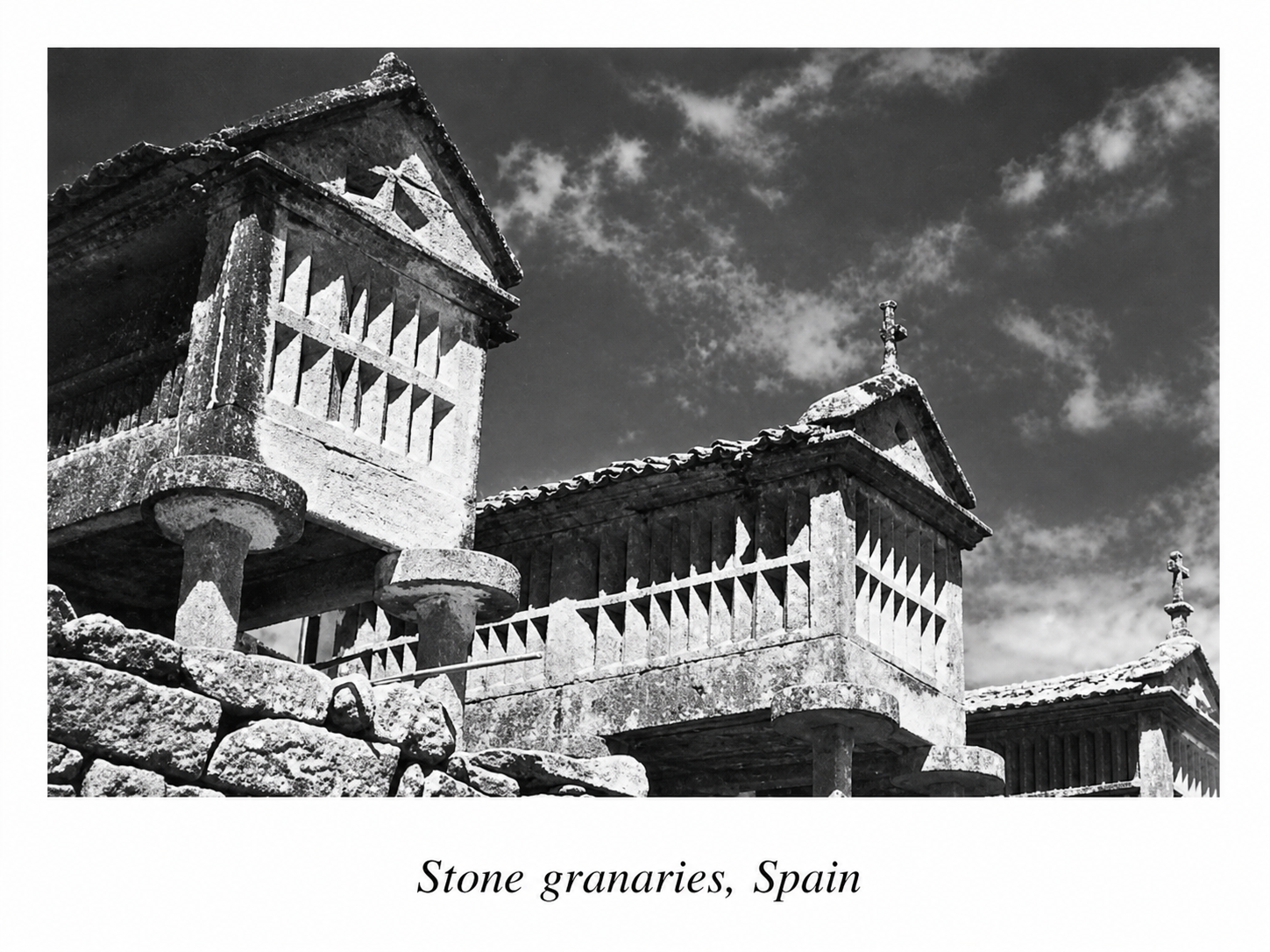
And this agreement about life in things extends to lesser examples. The early Christian churches in Rome, the Norwegian stave churches, the mosque at Kairouan, the ruins at Palenque or Ixtlan, Machu Picchu in Peru, the long huts of the Sepik river people in New Guinea, the small tiled houses of Morocco, the great barn houses of northern Germany and Denmark, the arcades of Bologna, the bridge at Isfahan.
In only slightly lesser measure than the most famous examples, these, too, while less
eT

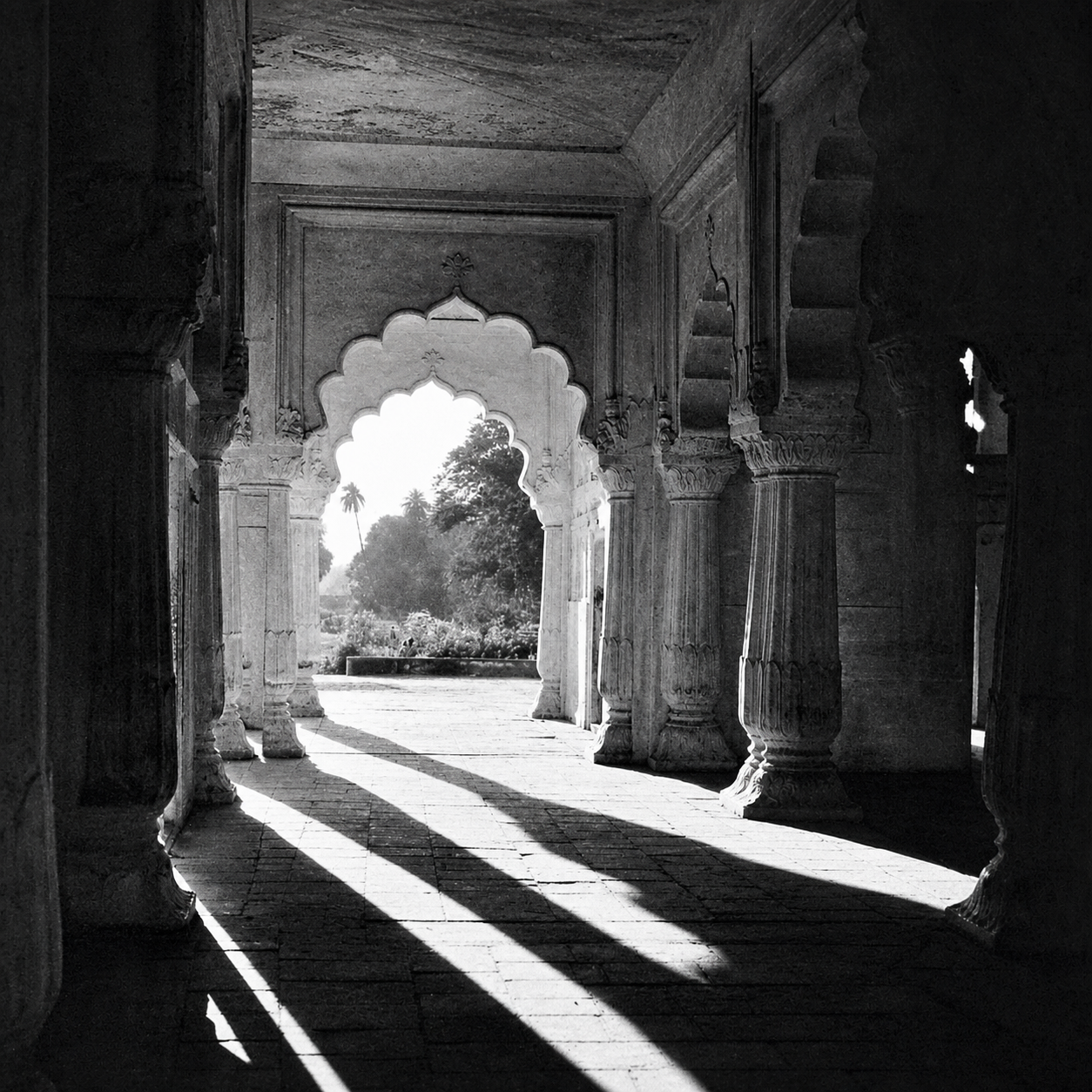
Arch in India imposing, have an ability to touch us, to make us feel still, awed when we are in them, silent, grateful. There is not much doubt about their greatness. And people will generally agree that all these things have life in them -- in some degree -- though, again, just what this life és, or how it might be defined, perhaps remains unclear.
The quality I call life in these buildings exists asaquality. Itis clearly not the sameas the biological life we recognize in organisms. It is a larger idea, and a more general one. Indeed, what we intuitively feel as "life" in these objects happens just as much ina purely abstract thing like a painting as it does in a functioning thing like a building, or in a biologically living system like a tree.'
dent aarcen angels dire mutenibur Jolrce-amene uosscoenim gquoony JP™ Quicnuapyeus et quaenrar ja cuidece Locum ubiposstcus nao clas
eunces dicececisapuliseaunga ccrco
Tunngrcdmoras ecw pnaccdre
orncdileam iieam utdebrar cece

It is this very general life -- formal, geomet-
enim fear dryere uenkeric, structural, social, biological, and holistic -- which is my main target. It includes the profound life of the geometric structure that we have seen in historical examples (their plaster, concrete and tile, the life of their colors and
we"
he] iss
Co
script: The Durham Gospel fragment.
shapes). It includes the ordinary life, the actions and events which make us feel alive there, and which allow a happy everyday life to exist for the people and animals and plants who live there. And it includes the biological life, the nurture of the natural systems which exist in and among

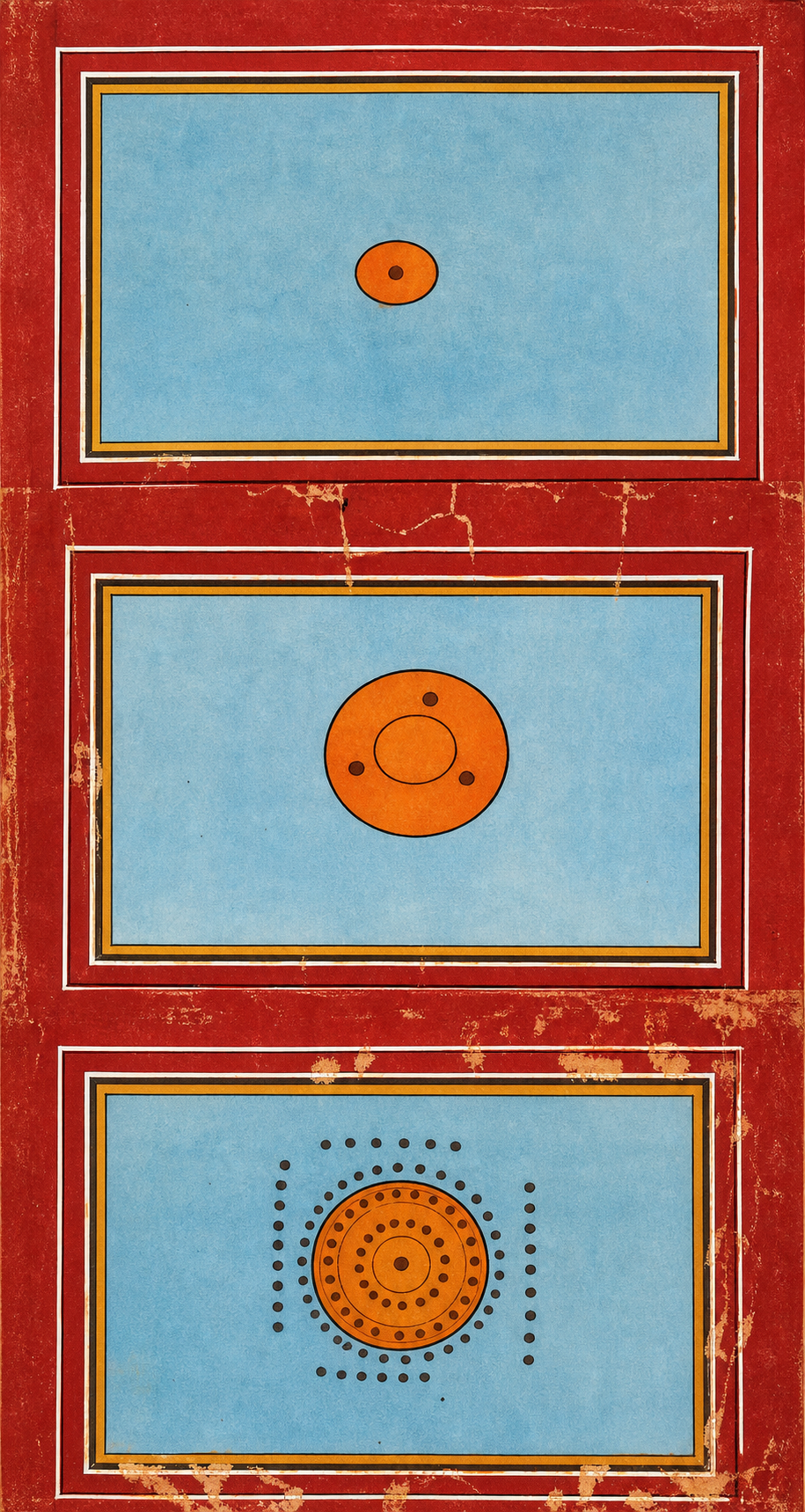
Tantric painting, India, 18th century the buildings, so that they are biologically healthy. In a few cases, life in a thing, or in a person, or in an action, or in a building, reaches a level of intensity which is truly remarkable. This can happen in a work of art, or in a person's life, or in a moment of a day.
Above all, it does sometimes happen in buildings and in artifacts. It is this melted unity, this deepest experience of order that we experience with wonder, which is the real target of this book, since it is this quality which we are most often trying to reach when we make a building.
8 / Life in Twentieth Century Buildings and Works of Art
The feeling of deep life which occurs in traditional artifacts is less common in the 20th century -- especially in buildings. It is uncommon because -- for reasons which will become clear throughout Book 2, THE PROC
LIFE -- the processes needed to create life were damaged in the 20th century.
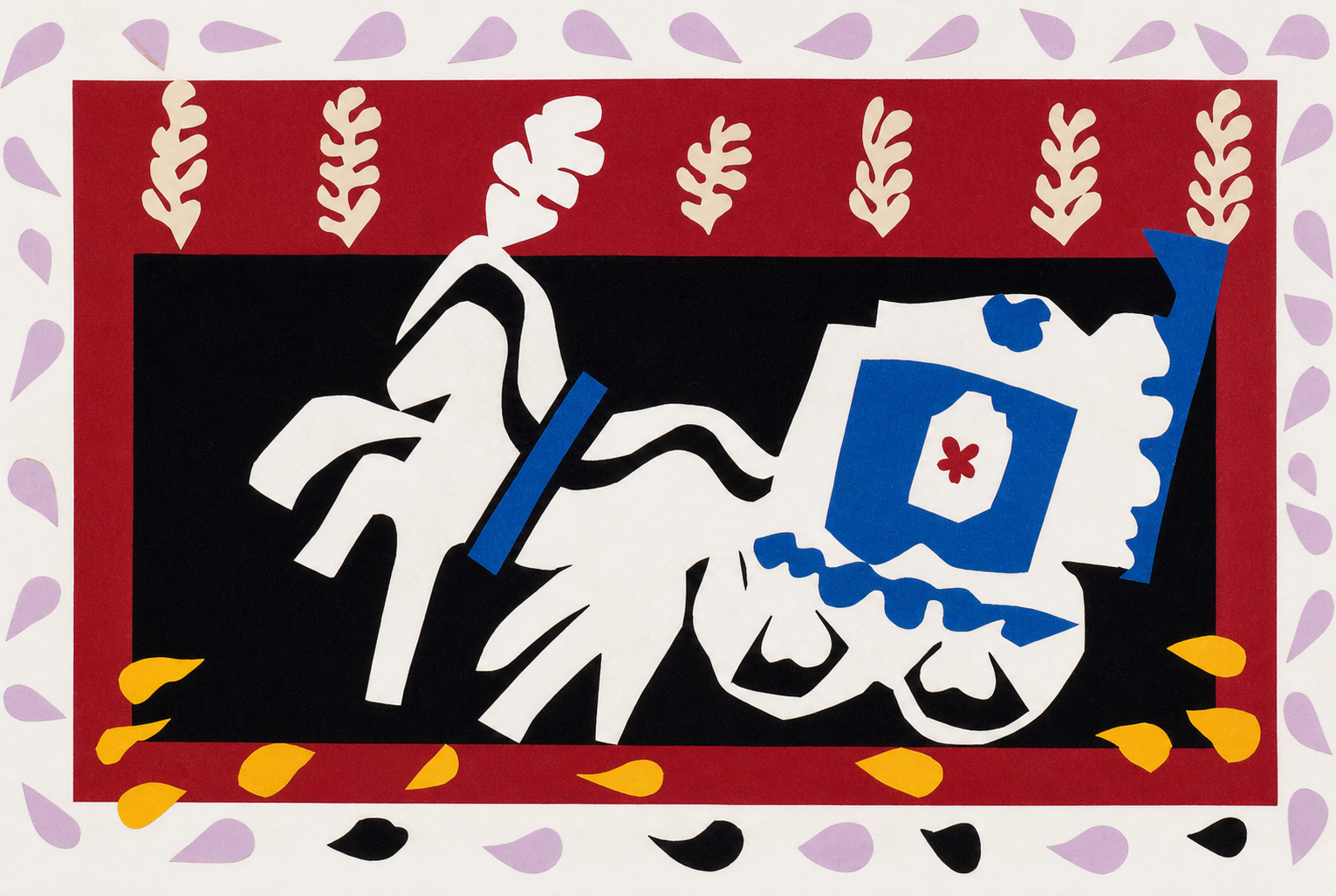
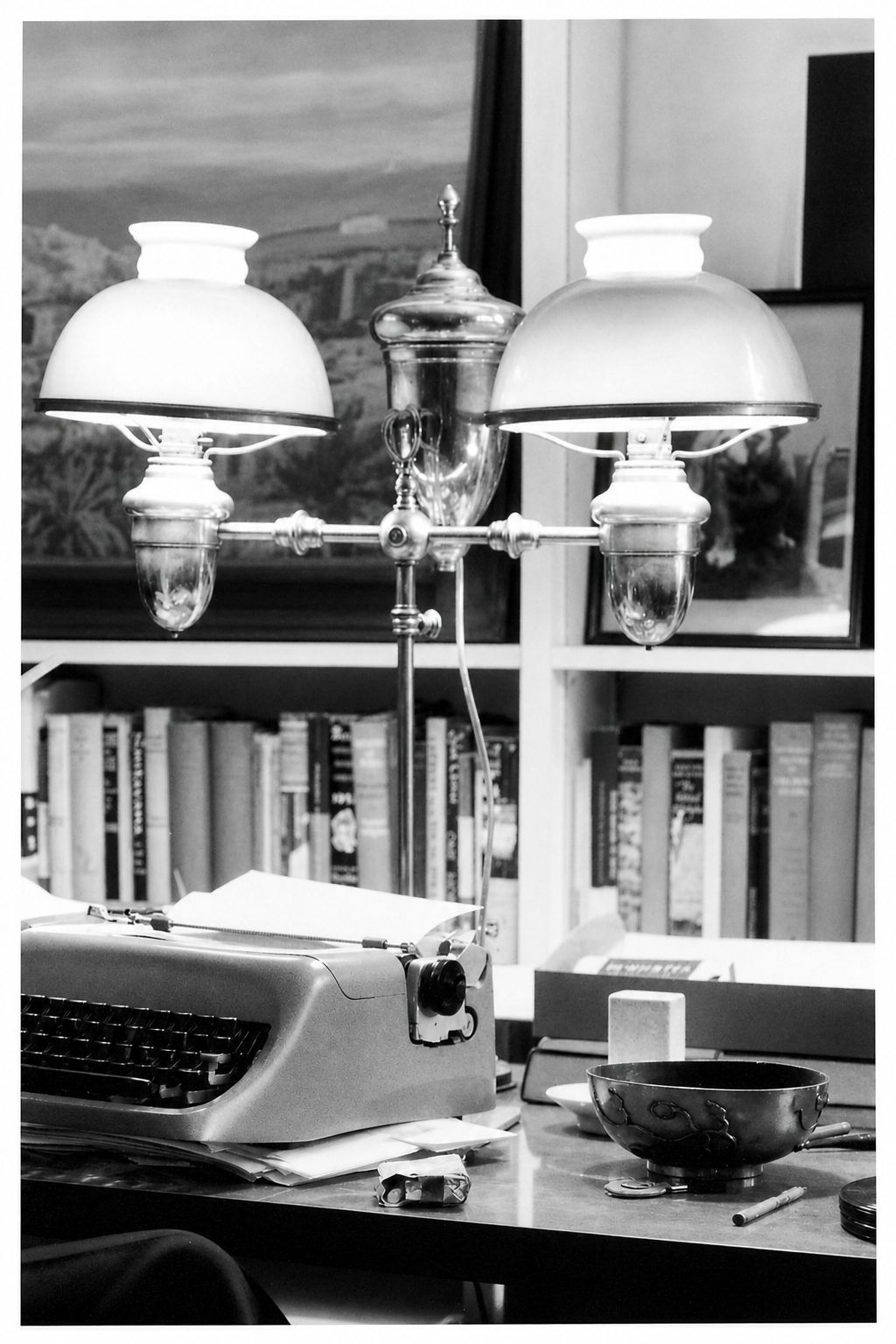
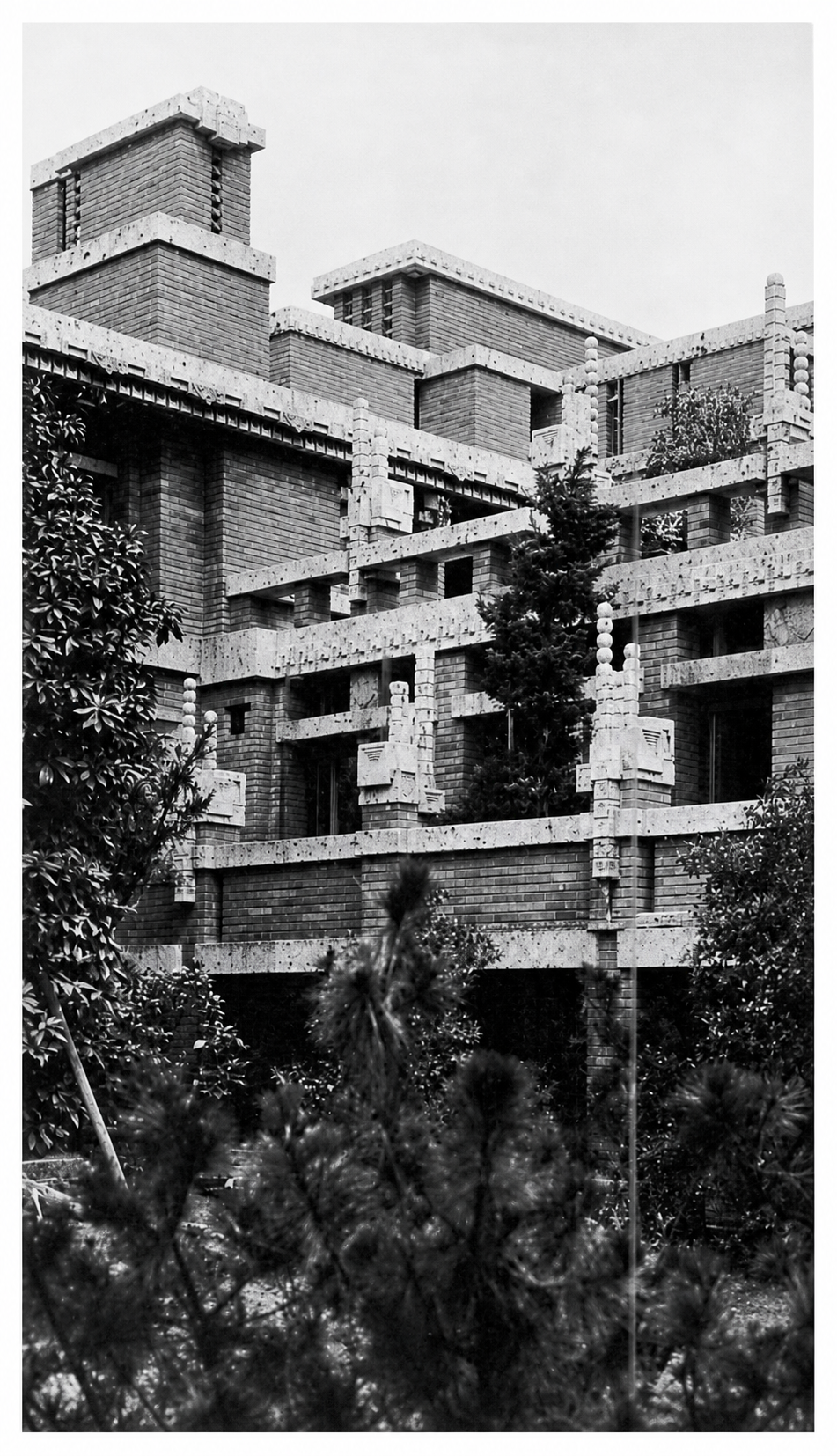
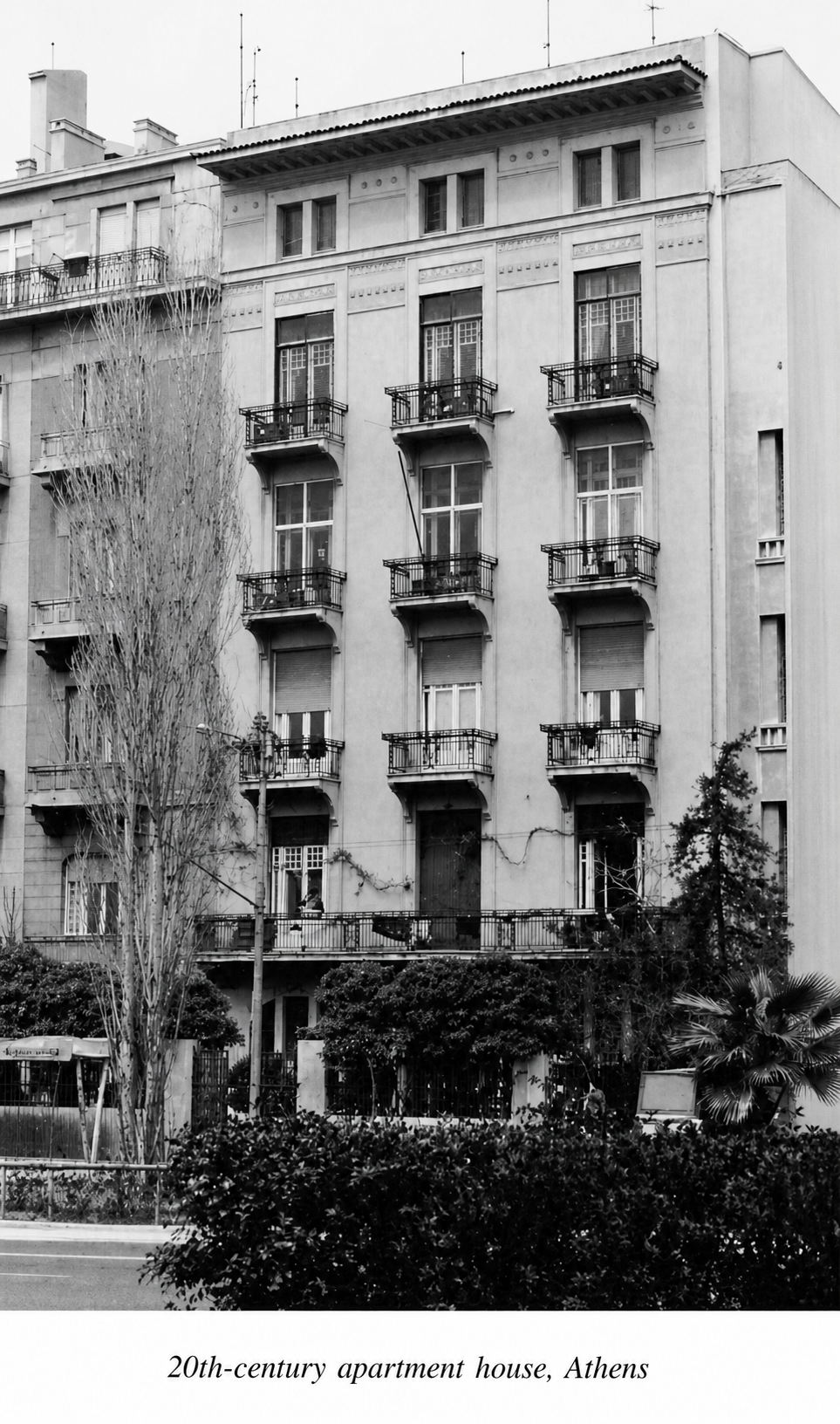
Nevertheless, in modest degree the feeling of greater life does appear from time to time, and did appear, of course, in millions of cases during the 20th century. In the next few pages I have collected a few examples of buildings, places, and things from recent times which are ordinary enough, or profound enough, to feel alive in some degree.
In part, these examples feel alive because
wo
They are not based on images, or on ideas of reality, but instead they have reality itself coming to life in them in a free way. They are vigorous and straightforward, where the soul of the maker has entered the thing -- or where the ordinary process of daily life, uncontaminated by ideas or notions of what to do, has unfolded in a way that we accept very easily.
These things make us comfortable, because we recognize them as genuine. The life we feel in them comes from this genuineness. Since it is our main intention to make things which feel alive in our own time, it is these modern versions which must especially inspire us. They are the springboard from which our own efforts must come. Our own effort to form life in our time, because it must be consistent with 20th-century
a
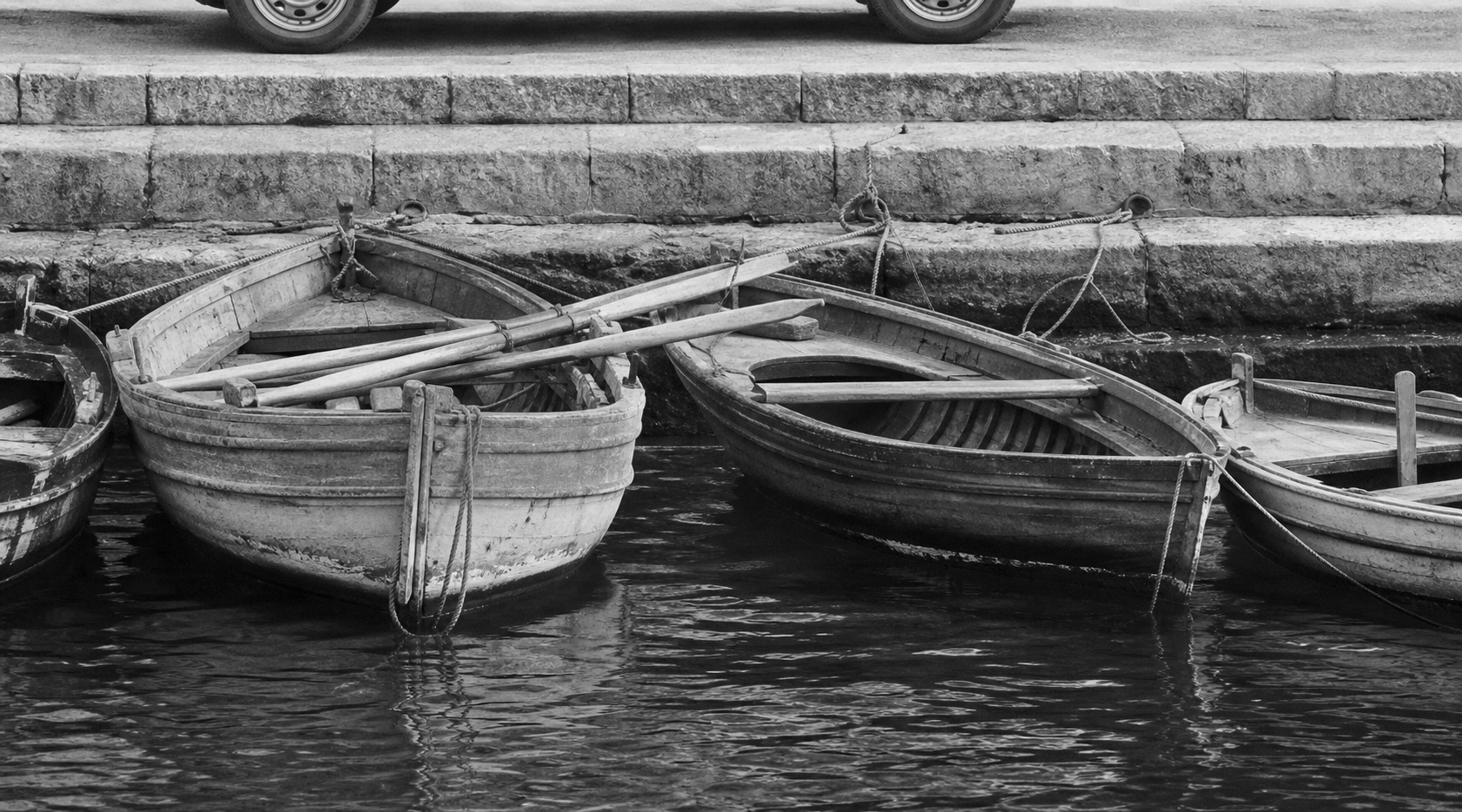
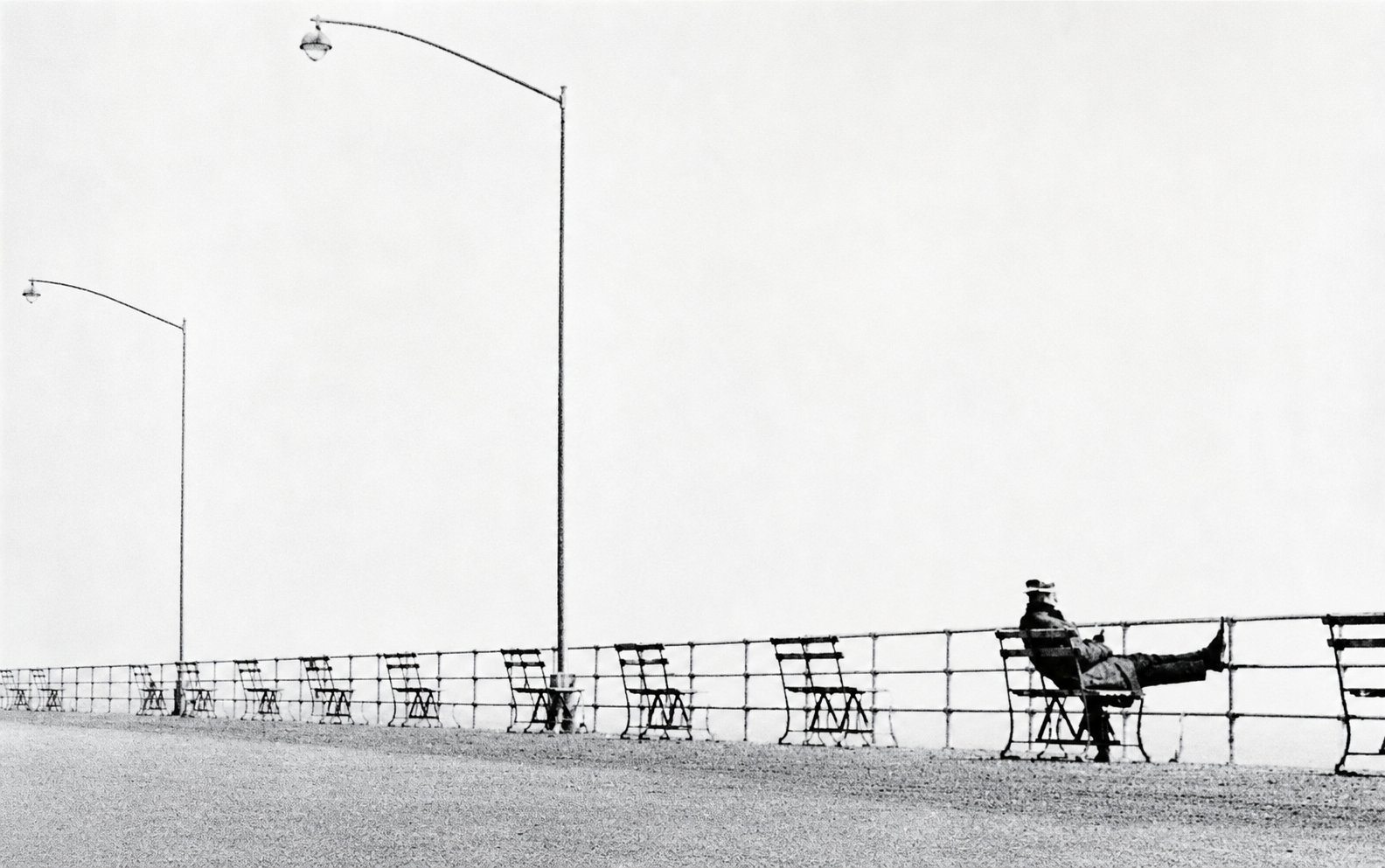
The ocean front,
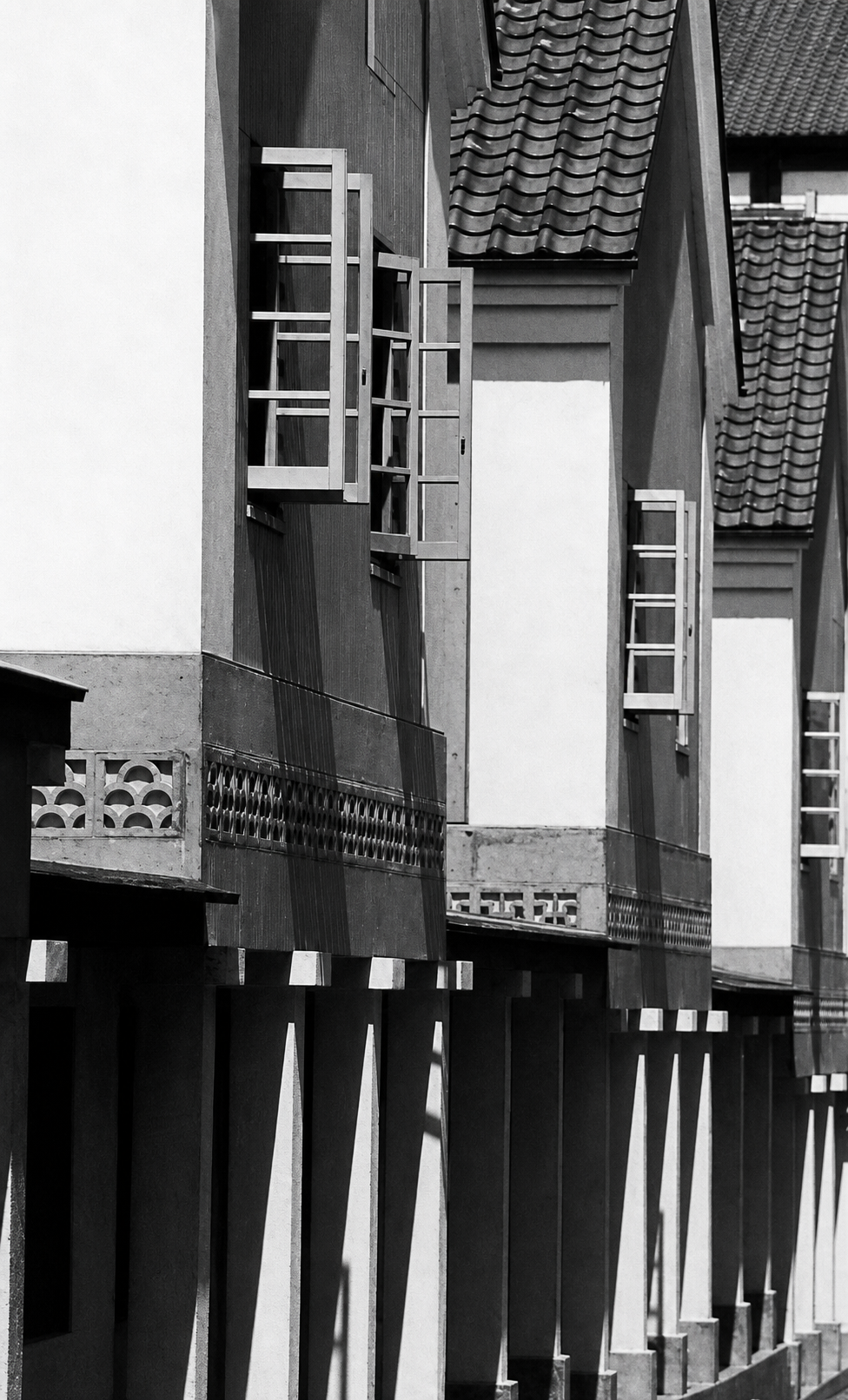
Classrooms on the Eishin campus, near Tokyo, Japan life as we now find it, and as we have now created it, is the most inspiring thing of all, and our chief target.
To produce this life, we must first see how life springs from wholeness, and indeed how life is wholeness. Wholeness exists all around us, and life springs from it. Every situation we are in, even the most mundane, has the capacity for life in it.
Comfortable ordinariness and lack of "image" quality are the main things which produce life in our current situation. A man in his shirtsleeves, a cafe which is a converted gas station,
paving which is made to last a long time but also
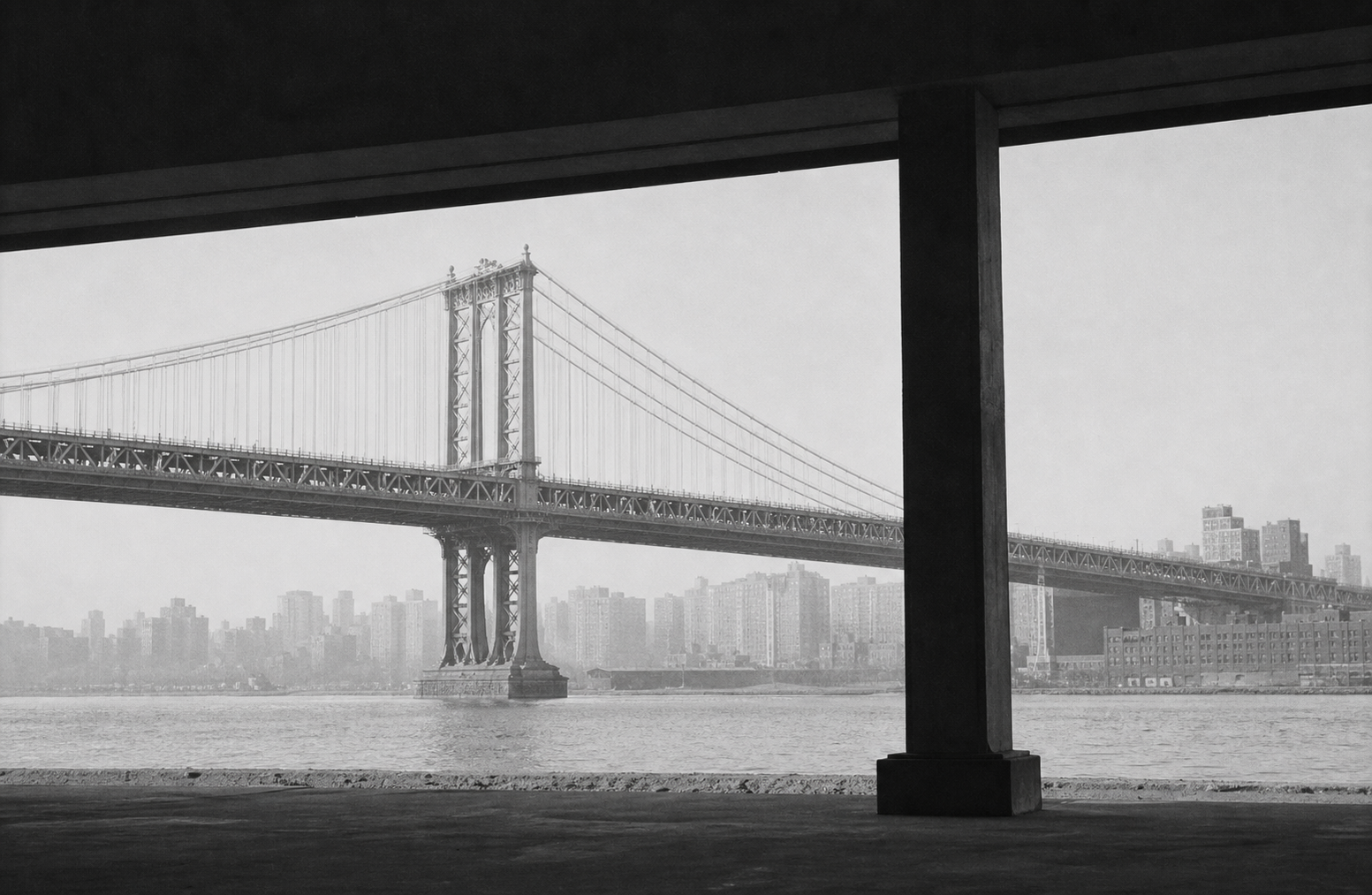
Under the elevated tracks, Brooklyn, New York
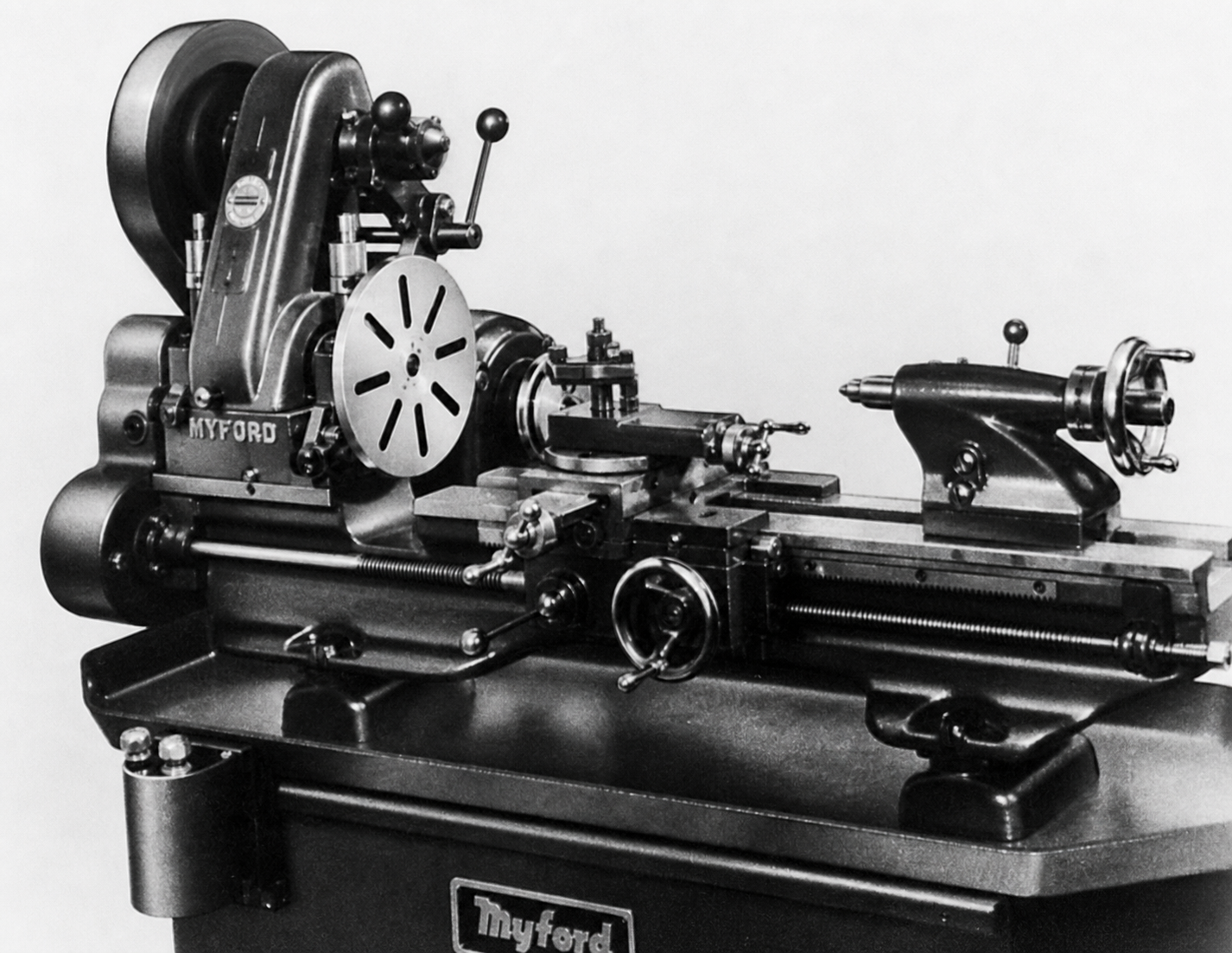
to honor small plants without being precious, machines in a workshop, the decoration on a giant trucking rig, a hammock which is not too new, a photograph pinned to the wall above a person's desk, paint on part of a shop window, the festive quality of a big tent with a dance for a thousand people, the loading dock of a warehouse where two people are eating a sandwich wn
during their lunch break in the sun. These are ordinary things which make life, even in the present environment. What we need to understand, is that this comfortable ordinariness in its thousands of manifestations, as well as the high points of modern art, are all produced by the same structure -- and that, when it succeeds, this structure is "life."
9 / Intense Life in Ordinary Poverty
Some of the artifacts I have shown in this chapter are very beautiful. It might be said that these things are too special, that they come from a small and privileged class of human artifacts, and that they are not representative of the vast majority of human experiences throughout the centuries of history.
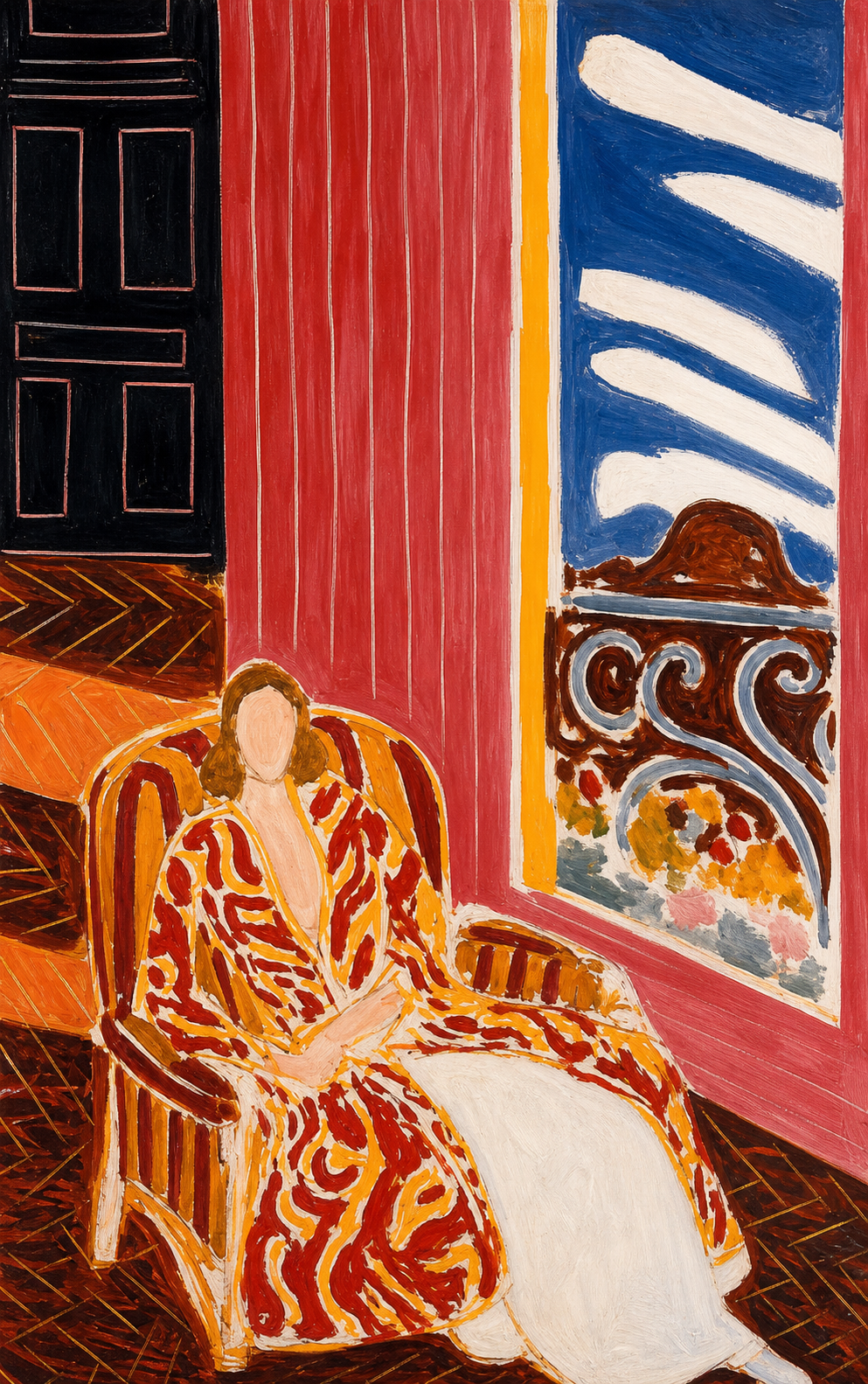
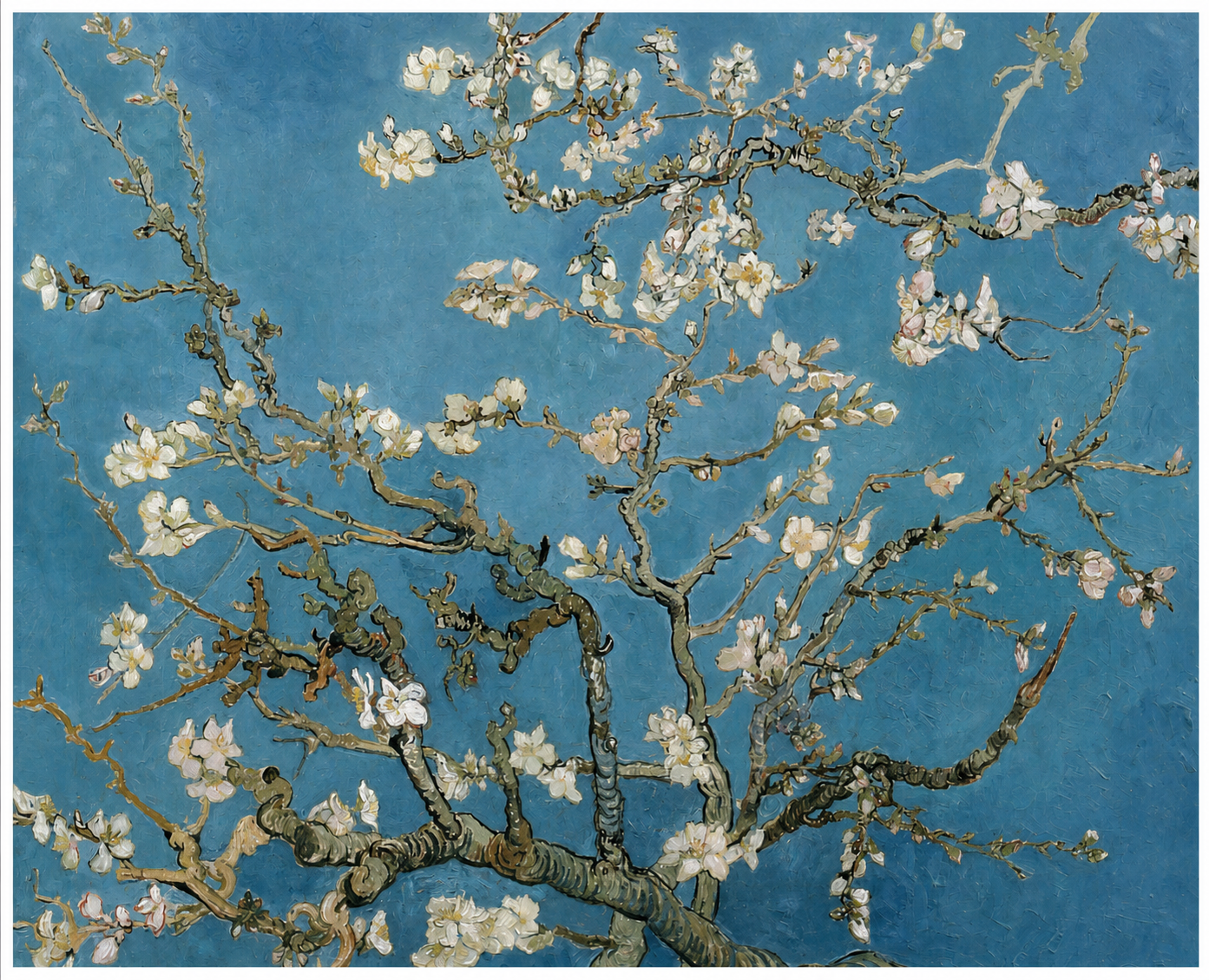
But the quality of life is not precious or "high" in this sense at all. It exists also, quite easily, in the most humble and ordinary aspects of our daily lives. In this sense the great life we feel in works by Matisse and van Gogh is somewhat misleading -- since the same feeling of life can occur, also, in a dirty hut or in a slum -- and, indeed, is often more likely to occur in such a place than in a work of "architecture."
This is confusing, because it seems contradictory. Yet it is fundamental. Misunderstanding of this point is responsible, almost more than anything else, for our failure to produce life in modern architecture.
It is for this reason that I now show a photograph from a slum in Bangkok. The poverty and dirt allows the life to exist, allows life to shine out, because the middle-class conceptions of what is good are not at work killing the life. The conditions are so impoverished that only the direct life itself exists. Mental conceptions of what is desirable inspired by magazines, images of desire fostered by the media, here have gone out the window, or never existed.
The reader may think that I am romanticizing poverty. What about the Middle Ages, for example, with hunger, disease, and fearful human prejudice? They somehow produced better buildings than we do, at least in their cathedrals. But what about the hovels in which serfs were forced to live. Did these have life?
Yes. The answer is yes.
Of course, the disease and ignorance of these past periods are horrifying. There is nothing very lively about leprosy and starvation, which I have witnessed even in this century in an
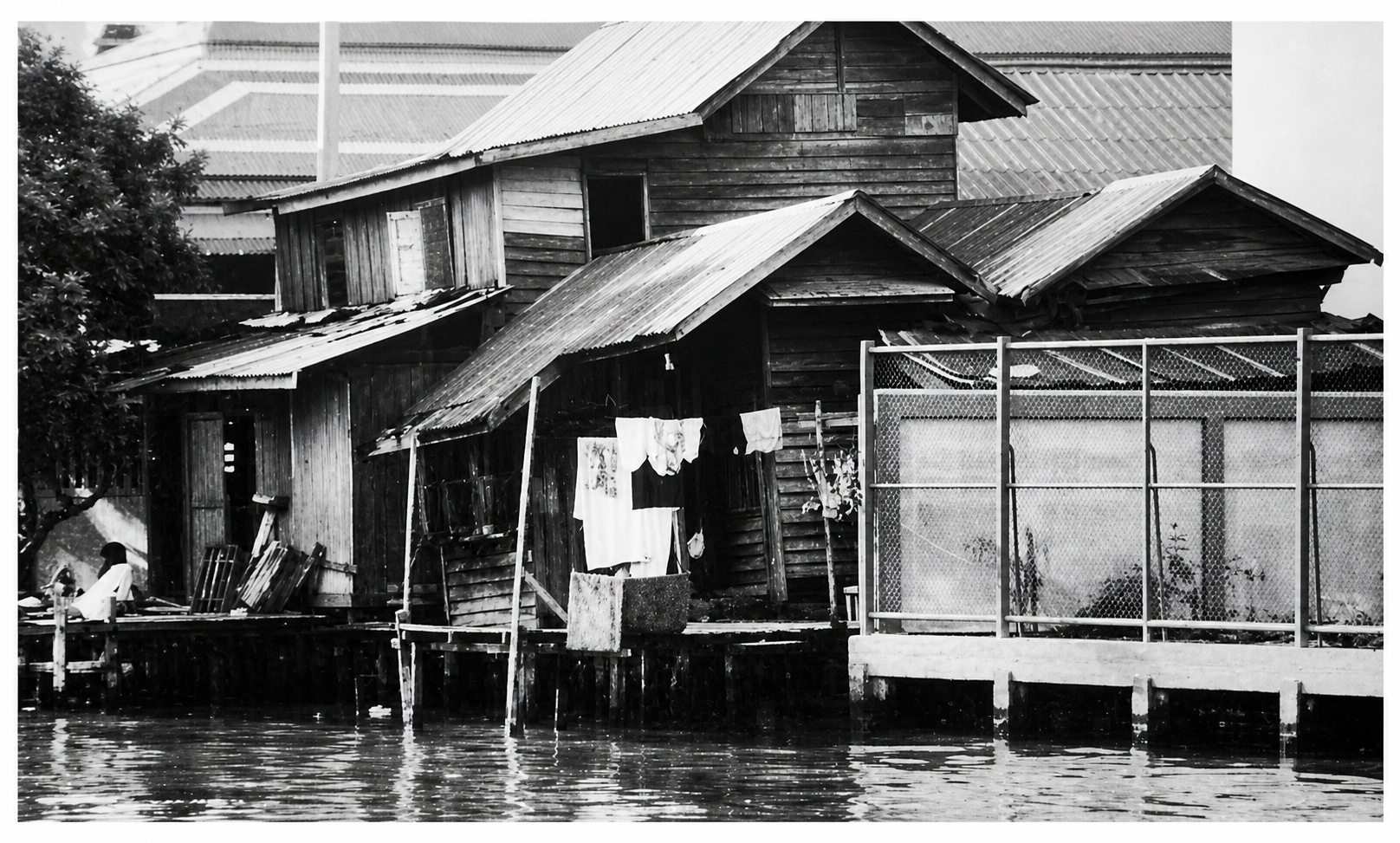
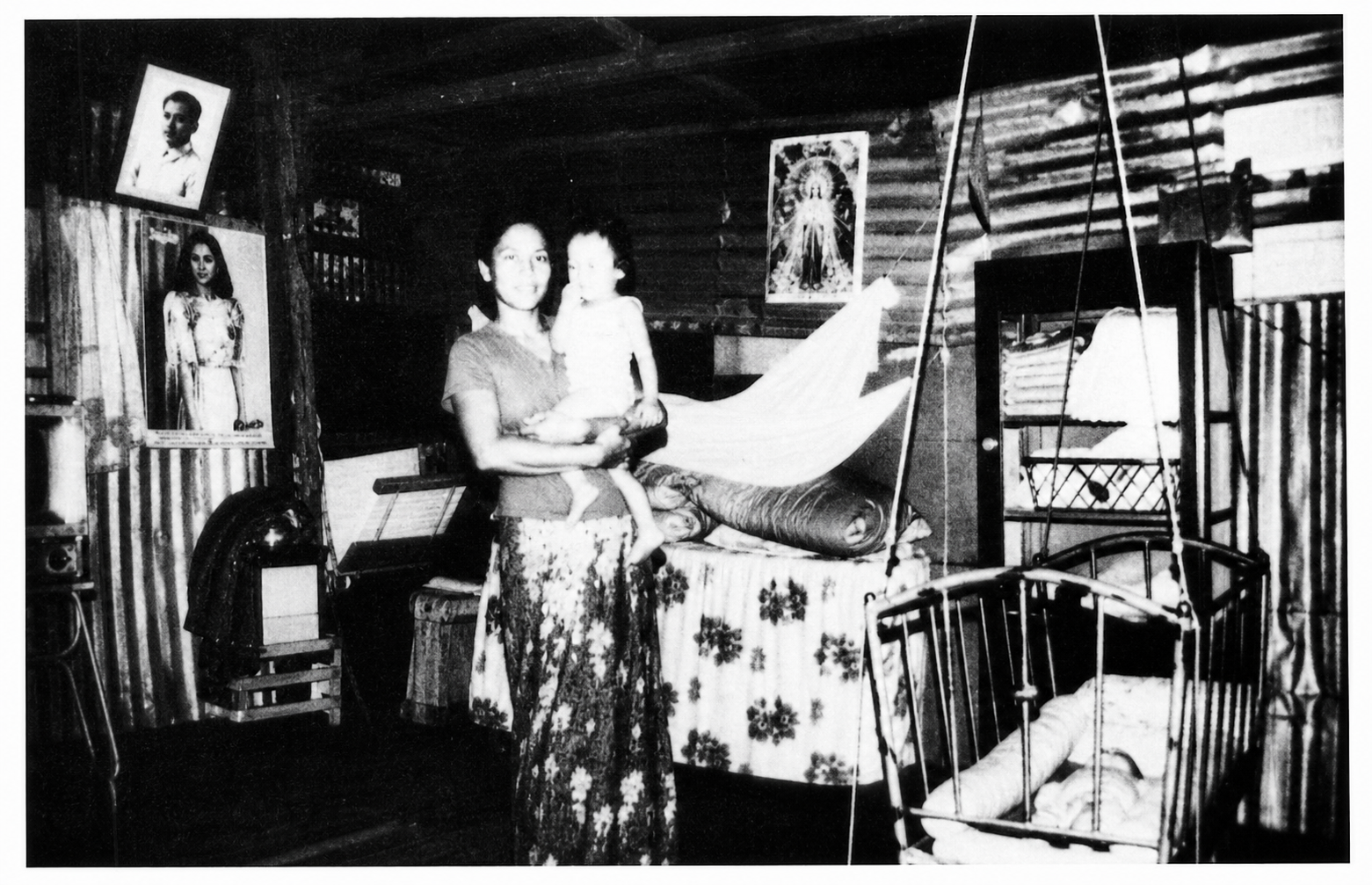
Indian village where I lived, or in the slums of Lima.
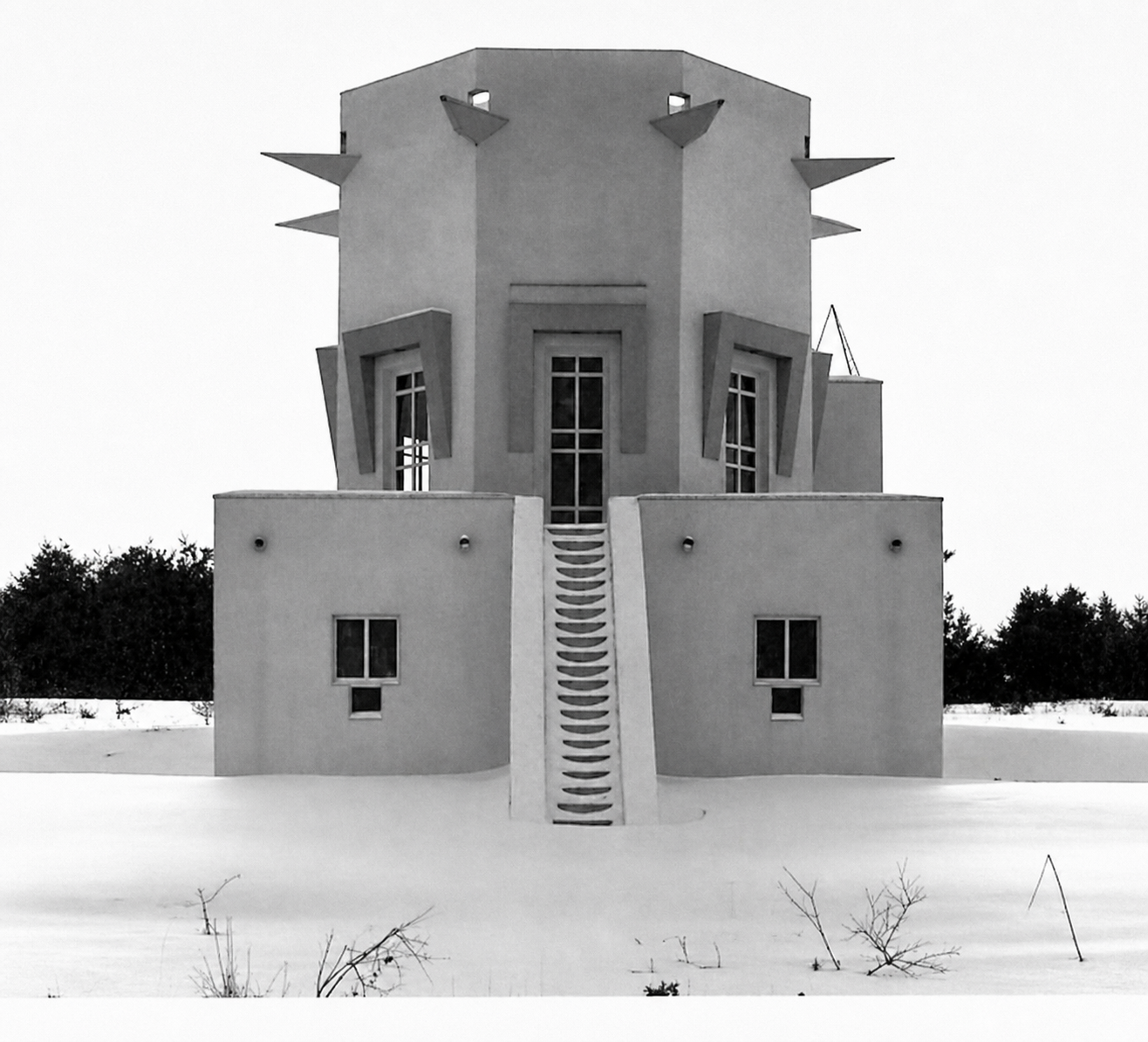
But in the midst of all that poverty, even the shacks where people live had some direct and human quality, quite different from our own experience in a plastic tract house, or in a motel, or in a McDon ald's hamburger joint. Compare the pretentious plastic-fantastic postmodern "house" on this page. It is a horrible deathly thing. Under normal circumstances this would not even be worth commenting on. But things have become so topsy-turvy in our world that this building is considered a valid work of architecture, worthy of being illustrated in architectural magazines, while the slum above is considered something terrible.
Of course it is true that the postmodern building is clean, not disease-ridden; and the people who live there probably have their health and three square meals a day. It is also true that the people who live in the Bangkok slum may have a shorter life span and may be starving. Still, even when one takes these facts into ac-
In the slum, in some way, the direct voice of the heart is there. It is there in the mud hut of an
Postmodern house in the United States: West Stockbridge, Mass.
Indian villager, even now. It can be there even in the miserable poverty of a slum tenement in Lima. It is life, the force of direct human experience, misery, compassion, ignorance, and warmth all mixed up together. There is an honest life there. It really is He. In the McDon ald's hamburger stand of our own experience, or in the pretentious postmodern house, or in the perfect plumbing and fitted carpets of a tract house or a Tokyo apartment, we may have comfort, we may have overcome disease and found material warmth and wealth -- but the direct message of the heart is often less there.
In this sense, not only the great monuments of the past, but even the hovels of the Middle Ages, even the sagging doorpost of a Tibetan village house, all have a direct contact with life, and a closeness to our own hearts, which is less present in the our environment today.®
10 / the Task of Making Ordinary Life in Things
Let us come back now to my ordinary and commonplace effort. I want it to be possible for us -- all of us -- to make buildings, benches, windows, which have that simple comfort in them, so that everyone feels at home, so that they support us in our daily life.
But it turns out that this life-supporting quality, simple as it is, is also elusive. It is largely missing from the 20th century, for a variety of complex reasons. It is missing above all because some deep conceptions of matter -- at firstalmost remote, and apparently not common-sense or practical at all -- have been removed from our awareness. First among these concepts of matter is the most fundamental one -- that life is a quality of space itself. Life, that very ordinary commonplace life, which we experience eating a sandwich in the sun, is something that has been removed from the intellectual landscape of our time. To bring it back again, we have to construct, carefully, a picture of the world which is adequate for these ordinary -- but immensely deep -- pictures of how things are.
Superficially, the many examples of life in this chapter look dissimilar. Each belongs to its own time and place. But if we examine them more deeply, there is a sense in which these different cases all /ook the same. They all have the same deep quality in their appearance; looking with the right eyes, one sees the same structure, again and again, in all of them.
One aspect of this structure is the "wabito-sabi" of Zen teaching: the Japanese concept of beauty which is best translated as "rusty beauty." These things are all beautiful, but they are all damaged. Life itself is damaged, and nothing which is perfect can be truly alive. There is a rough amiable quality in the Japanese restaurant, in the bench and the solitary watcher at Atlantic City, in the houses of the Bangkok slums, even in the blossoms of van Gogh's almond tree. This quality, the real life, the deep life of all great art, and of all genuine experience, is our aim.
The astonishing thing is that every time this very deep life shows its face, it looks the same. It looks the same in the weather-beaten face of an old man sitting by the river, it is the same in the hastily and carefully made picnic that Cartier Bresson photographed, it is the same in the quality of an ordinary natural river, it is the same in the moss along the river bank, it is the same in the loose rough repetition of boards along the side of a traditional Pennsylvania barn.
It is even the same in the very great craft and subtlety of the great Isfahan mosque and its tile-work, where the outward perfection again hides the drunkenness, the careless abandon in the individual bits of tilework that allowed the artist, drunk in self, to make a free thing in the flowers he put in the glaze.
What impresses us about all these examples is that they have a kind of blitheness or serenity,
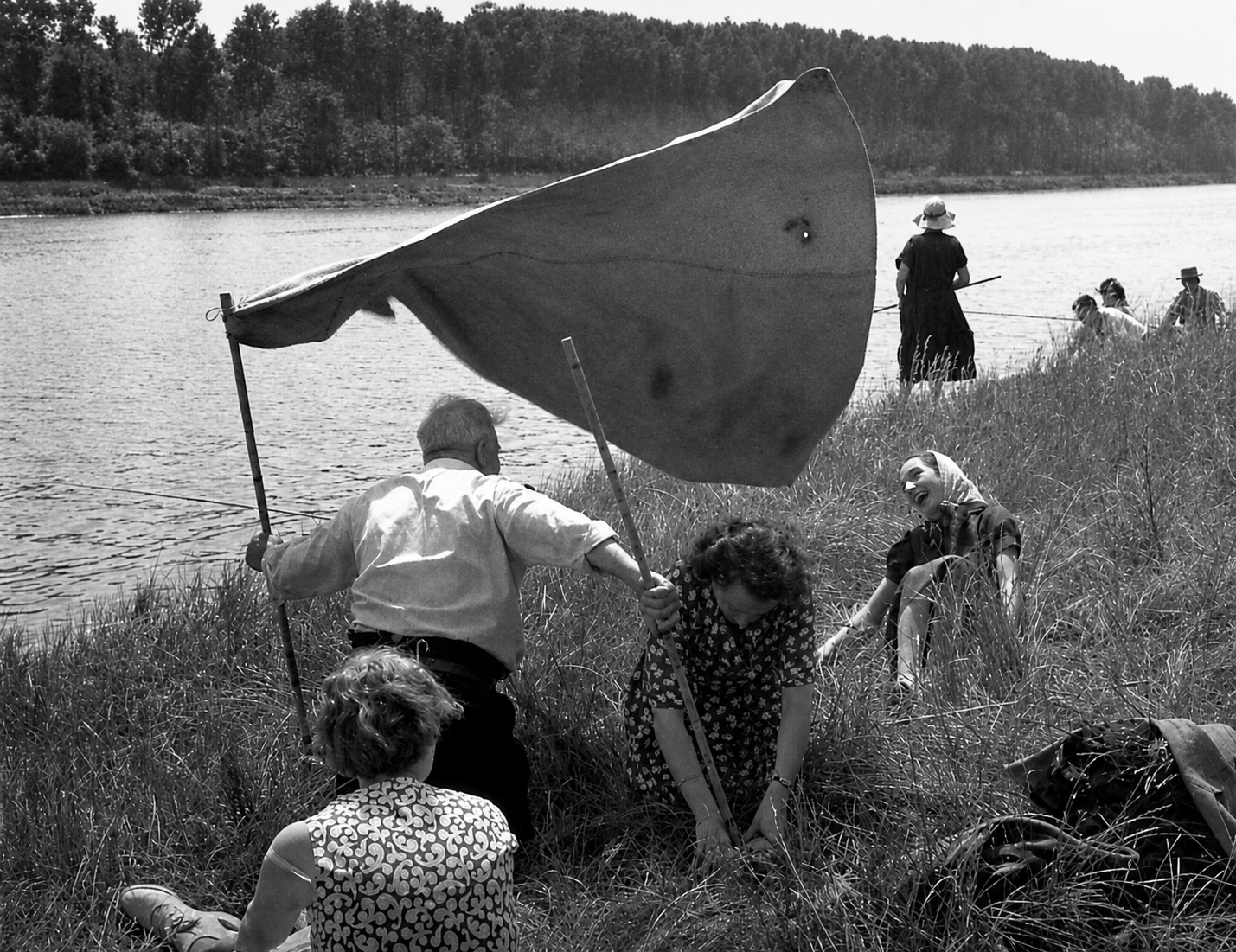
Picnic by the River, Henri Cartier-Bresson an innocent and simple quality. Their depth is not a mechanical composition: there is a truth, an easiness, about many of these things. Their easiness takes the breath away. They arrive at a simplicity and truthfulness which ring an echo in us -- sometimes perhaps even make us weak in the knees. Somehow these works remind us of the essence of life. They have a simplicity beyond artifice.'
The quality of life includes us, as human beings. A place which has the deepest life is one in which I reach a deeper level of life inside my self, and in my spirit. The quality of life which I attain -- its depth -- in any given building is part of the way I experience that building.
And it goes further. This quality of life is a pervasive one. It includes the ordinary biological life, which we usually forget when we try to judge buildings, but it also includes a kind of "life" which happens, to a lesser or a greater degree, in the very stones, concrete, and wood posts of which the building is made. Thus itis a kind oflife which is profound in a painting of apple blossoms by van Gogh, less profound in an advertising poster. It is a quality that exists in space, in every stone, in every brush-stroke, just as much as it occurs in every plant and insect, and in the ducks which walk about in my own garden in the densely populated hills of Berkeley near the University of California.
Thus it is a conception of life and architecture in which the house I live in becomes a greater thing because of the ducks in the garden -- and it is a conception in which the beautiful shape of a window not only gives more life to the window, but also enlarges the window and the house.
It is, also, a conception in which my own spirit, and the spirit of each of us, is enlarged to the extent that the spirit itself has this greater
life in it -- and in which the greater spirit which I reach, in my life, is inextricably connected to the presence of that life in the sticks and stones from which the building and the rooms are made.
In what follows, I hope to show that this deep and even holy conception of our lives, and of the life of our surroundings, turns out
to be directly and practically connected to an identifiable structure. It is something which occurs in space. The deep order which produces life in buildings is a direct result of the physical and mathematical structure that occurs in space, something which is clear and definite, and something which can be described and understood.
Notes
1. The points made in the first section became much more clear during a workshop which Sim Van der Ryn and I gave together at the Esalen Institute in 1991. 1 am very grateful to him and to the workshop members for an inspiring discussion.
2. Although such a conception does not yet exist in modern science, it does exist in traditional Buddhism, which in many sects treats the world in such a way that every single thing "has its life." Many animistic religions too -- for example, those of African tribes, or of the Australian aborigines -- treat each part of the world as having its own life and its own spirit. The modern Western tradition does have a variety of half-scientific attempts -- those works in the vitalist tradition, for example, by Goethe, Hans Driesch, and Henri Bergson's CREATIVE EVOLUTION (New York: Henry Holt & Co., 1937). But these poetic accounts of the universal existence of life are not yet part of the stream of science, still not solid, structural good sense of a sort which allows us to share knowledge that holds up empirically. We do not so far have a scientific conception of this kind.
3. Theodore Roszak, THE VOICE OF THE EARTH (New York: Simon & Schuster, 1993) also describes the existence of life in all things as an emerging scientific idea.
4. According to today's simplified definition of a self-replicating system.
5. Christopher Alexander, THE TIMELESS WAY OF BUILDING (New York: Oxford University Press, 1979), chapters 1 and 2.
6. See Aldous Huxley, THE PERENNIAL PHILOSOPHY (1945; New York: Meridian Paperbacks, 1962).
7. By 1970 a few writers had begun to comment on this quality which I have described, perhaps none more profoundly than the great Japanese potter Soetsu Yanagi, who explained his attitude in his book THE UNKNOWN CRAFTSMAN: A JAPANESE INSIGHT INTO BEAU'TY (Tokyo: Kodansha Internation al, 1972). Yanagi also founded the folk art museum of Tokyo, one of the first public institutionsin modern times to honor these kinds of artifacts with proper respect. By now, this admiration and acceptance of traditional artifacts is far more widespread.
8. The fact that many examples in this chapter have a great and profound "life" may be confirmed, empirically, by simple experiments. Some of the key experiments, and variations of these experiments, are extensively described in chapters 8 and 9.
9. The general quality of life visible in these photographs (pp. 34-61) has been described by mystical writers in cach of the great religious teachings. For example, by the sufisas "being drunkin God," thus 'Umar Ibnal-Farid, KHAMRIYYAH, ¢. 1235, "We have drunk to the remembrance of the Beloved a wine wherewith we were made drunk before the vine was created." A similar theme exists in Zen art and among early Zen teachers. Among modern Western writers Hubert Benoit is one of the few to get to grips with it; see especially Hubert Benoit, THE SUPREME Doctrine (New York: Viking Press, 1959), translated from the French La DOCTRINE SUPREME SELON LA PENSEE ZEN (Paris: Le Courrier du Livre, 1951); also idem, Let co (New York: Samuel Weiser, 1973). All summarized in Aldous Huxley, THE PERENNIAL PHILOSOPHY. See also "The Quality Withouta Name," in Christopher Alexander, THE TIMELESS WAY OF BUILDING, chapter 2.